Carpets make Sydney homes feel warmer, quieter, and more comfortable, but they also act like giant fabric filters. Every day, they collect dust, skin flakes, pet dander, pollen, moisture, and tiny organic particles that settle deep into the pile. Over time, this build-up can create the kind of indoor environment where fleas, mites, and common allergens persist far longer than many homeowners realise.
Professional carpet cleaning does far more than improve appearance. When performed with the right equipment and methods, it can help remove embedded debris, reduce allergen loads, and disrupt the conditions that allow pests and irritants to linger indoors. For households in Sydney dealing with pets, humidity, asthma triggers, or recurring itchiness and odours, regular professional cleaning can be an important part of a healthier home maintenance plan.
Why carpets become a hotspot for hidden indoor contaminants
Most carpet contamination is not visible on the surface. Dust and grit sink below the top fibres with foot traffic, furniture pressure, and daily air movement. Once particles settle into the backing and underlay area, standard vacuuming often removes only a portion of what is present. This matters because carpets can trap a mix of biological and environmental material that affects comfort and indoor air quality.
Common contaminants found in residential carpets include:
- Pet hair and pet dander
- Dust mite waste and body fragments
- Pollen carried in from outside
- Skin cells shed by occupants
- Food crumbs and organic matter
- Moisture from shoes, spills, and humidity
- Flea eggs, larvae, and related debris in pet households
- Fine dust that can become airborne again when disturbed
In Sydney, this issue can be amplified by local conditions. Coastal humidity, warm temperatures, frequent indoor outdoor movement, and pet-friendly lifestyles all contribute to the accumulation of organic material in carpets. Homes near beaches, parks, or bushland may also bring in more pollen, sand, and outdoor debris than expected.
Even tidy homes are not immune. A carpet can look clean while holding a substantial amount of fine particulate matter below the surface. This is one reason people sometimes continue to experience sneezing, itching, stale odours, or skin irritation despite regular vacuuming and general cleaning.
Understanding the connection between carpets, fleas, mites, and allergens
Fleas and the carpet life cycle
Fleas are not just a pet problem. They are an environmental problem. Adult fleas may live on pets, but eggs often fall off into carpets, rugs, cracks, upholstery, and bedding. Once in the carpet, these eggs can develop into larvae, especially where there is warmth, darkness, and organic matter to feed on. Larvae avoid light and often move deeper into fibres or edges of rooms where they are less likely to be disturbed.

This means a homeowner might treat the pet but still have an ongoing household infestation if the carpet environment is not addressed. Professional carpet cleaning can help remove eggs, larvae, flea dirt, and the debris that supports their development. While cleaning alone may not be a complete flea eradication program in severe cases, it can be a major part of breaking the cycle.
Dust mites and what they feed on
Dust mites are microscopic creatures that thrive in soft furnishings, including carpets, mattresses, and upholstered furniture. They do not bite, but they are a major source of indoor allergens. Their waste particles and body fragments can trigger allergy and asthma symptoms in sensitive people. According to the dust allergy information published by the NHS, dust mites are a common trigger for sneezing, coughing, and breathing irritation.
Dust mites feed primarily on shed human skin cells and are more likely to thrive where humidity is elevated. In parts of Sydney, especially during humid periods, indoor conditions may support greater mite survival if ventilation and cleaning are not well managed. Carpets that retain dust and moisture can become an ideal reservoir for mite-related allergens.
Indoor allergens that settle into carpet fibres
Allergens are not limited to mites. Carpets can trap a wide range of irritants, including:
- Pet dander from cats and dogs
- Grass and tree pollen brought in on shoes and clothing
- Mould spores in damp conditions
- Cockroach allergen particles in some urban environments
- Fine particulate dust from traffic, renovation work, or nearby construction
Once these particles are embedded, walking across the carpet or vacuuming with poor filtration can reintroduce some of them into the air. This can create a cycle where the carpet acts first as a sink, then as a source of airborne irritants.
How professional carpet cleaning helps reduce these problems
Deep extraction reaches beyond surface cleaning
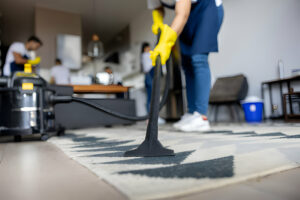
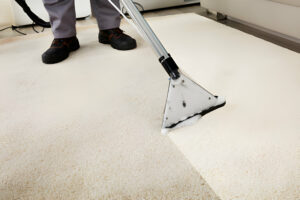
The main advantage of professional carpet cleaning is depth. High-powered equipment is designed to remove material from much deeper within the carpet pile than most household machines can manage. Hot water extraction, often called steam cleaning in everyday language, flushes out soil, organic debris, and many particles that routine vacuuming leaves behind.
By extracting deeply embedded matter, professional cleaning can reduce the food sources and shelter conditions that support pests and allergens. This is especially important in high-traffic zones, pet sleeping areas, under dining tables, and along skirting boards where build-up tends to be heavier.
Removal of flea eggs, larvae, and organic debris
For flea management, one of the key benefits of professional cleaning is physical removal. Eggs and larvae are small, but they are not immovable. Strong suction combined with agitation and extraction can significantly reduce their numbers in carpeted areas. It also removes pet hair, skin flakes, and flea dirt that contribute to the problem.
In real terms, this means a home with a recent flea issue may become easier to manage after cleaning, particularly when combined with veterinary treatment for pets and, where necessary, pest control advice. Cleaning addresses the environment, which is often the missing piece in recurring infestations.
Reduction of dust mite allergen load
Professional cleaning can help lower the concentration of dust mite allergens trapped in carpet fibres. The process removes dust, skin particles, and accumulated debris that support mite populations. It also extracts waste products and fine particles that may trigger symptoms even after mites are no longer active.
While no cleaning method can promise a perfectly allergen-free home, reducing the overall allergen burden can make a noticeable difference for people with sensitivities. The guide to indoor air quality from the U.S. Environmental Protection Agency also supports the importance of managing indoor pollutant sources and maintaining clean indoor environments.
Improved indoor air quality after contaminant removal
When carpets hold less dust and biological debris, there is less material available to become airborne during daily activity. This can help improve indoor freshness and reduce that stale, dusty smell some homes develop over time. Families may notice fewer visible dust plumes when sunlight hits a room, less lingering pet odour, and a generally cleaner feel underfoot.
For homes where someone has asthma, eczema, allergic rhinitis, or unexplained irritation, reducing the contaminant load in carpets can be a practical step that supports broader health and hygiene goals.
Methods used by professionals and why they matter
Hot water extraction
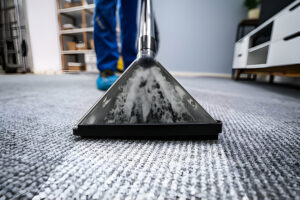
Hot water extraction is one of the most common and effective professional carpet cleaning methods for residential homes. It involves applying heated cleaning solution into the carpet and then extracting it with powerful suction. This method is valued because it can loosen and remove deeply embedded soil and residues rather than just cleaning the surface appearance.
For allergen reduction, hot water extraction is often preferred because it combines flushing action with strong removal. The heat may also help in dislodging greasy residues and biological build-up that bind particles to fibres.
Dry carpet cleaning and low-moisture methods
Some professionals use low-moisture or dry compound systems, especially where quick drying is needed. These methods can be useful in certain settings, but their effectiveness depends on the carpet type, soil level, and the specific issue being addressed. In homes with flea concerns, heavy allergen build-up, or deep pet contamination, a more intensive extraction method is often the better choice.
Pre-treatment, agitation, and spot treatment
A quality professional service usually includes more than a single pass of a machine. Pre-treatment helps break down oily soil and embedded grime. Mechanical agitation lifts compacted fibres and loosens trapped debris. Spot treatment addresses urine marks, food spills, or pet accidents that can otherwise continue to attract dirt and create odours.
These steps matter because a rushed cleaning process may improve appearance without meaningfully reducing the deeper contamination that contributes to indoor allergen and pest issues.
Why Sydney homes face unique carpet hygiene challenges
Sydney households vary widely, from beachside apartments and terrace homes to family houses in leafy suburbs. Despite those differences, several local factors commonly influence carpet cleanliness and indoor allergen exposure.
Humidity and moisture retention
Humidity can support mites and musty odours, particularly in rooms with limited airflow. Carpets in shaded homes, lower ground areas, or rooms that rarely receive direct sun may stay damper for longer after spills or wet weather. If carpets are not cleaned and dried properly, moisture can combine with organic material to worsen indoor hygiene problems.
Pet-friendly living
Sydney has many pet-owning households, and pets naturally increase the amount of dander, tracked-in dirt, and biological debris in carpets. Dogs returning from parks, cats moving between indoor and outdoor spaces, and pet bedding placed on carpet all contribute to contamination. Fleas are also more likely to become a concern in homes with untreated or recently exposed pets.
Pollen and outdoor particle transfer
Seasonal pollen, grass fragments, leaves, and dust enter homes through open windows, doors, shoes, prams, and bags. In areas close to bushland or green corridors, this can be significant. Carpets catch much of this material, which is helpful initially, but only if the carpet is then cleaned effectively before build-up becomes excessive.
Urban dust and apartment living
In denser parts of Sydney, traffic-related dust, renovation debris, and air pollution can settle indoors, especially in apartments with open balconies or frequent ventilation. Fine particles are easily carried into carpet fibres and may remain there until removed with equipment strong enough to extract them.
Signs your carpet may be contributing to pest or allergy problems
Homeowners often do not connect symptoms or recurring issues with carpet contamination right away. Some common warning signs include:
- Pets scratching more often, even after treatment
- Small bites around ankles or lower legs
- Sneezing, congestion, or itchy eyes that worsen indoors
- A dusty or musty smell, especially after vacuuming
- Carpet looking dull again soon after cleaning on your own
- Visible pet hair despite regular vacuuming
- Past spills or pet accidents that seem to reactivate odours in humid weather
- Family members with asthma or eczema feeling worse in carpeted rooms
None of these signs alone proves that carpet is the sole cause, but together they suggest that a deeper cleaning approach may be worthwhile.
What professional carpet cleaning can and cannot do

It is important to keep expectations realistic. Professional carpet cleaning can reduce fleas, mites, dust, dander, and allergen residues, but it is not always a complete standalone solution for every home.
What it can do well
- Remove deeply embedded dust and soil
- Extract pet hair, dander, and organic debris
- Reduce flea eggs and larvae in carpeted areas
- Lower the concentration of mite-related allergens
- Improve odour and freshness
- Support better indoor hygiene and air quality
What it may not do on its own
- Eliminate a severe flea infestation without pet treatment and environmental follow-up
- Prevent future allergen build-up if maintenance is poor
- Fix moisture problems caused by leaks or chronic dampness
- Address contaminants in mattresses, curtains, upholstery, or air ducts unless those are also treated
The best results come when carpet cleaning is part of a broader home care strategy.
How often should Sydney homeowners arrange professional carpet cleaning?
The ideal schedule depends on lifestyle, household size, and health concerns. A general guide is:
- Every 12 months for low-traffic homes without pets
- Every 6 to 12 months for homes with children or moderate foot traffic
- Every 6 months for pet-owning households
- More frequently if someone in the home has allergies, asthma, or there has been a recent flea issue
Some households benefit from targeted cleaning between full services, such as treating bedrooms, living rooms, pet zones, or rugs where contamination is concentrated.
How to maintain results between professional cleans
Professional cleaning is powerful, but ongoing maintenance helps extend the benefits. Homeowners can reduce the return of fleas, mites, and allergens by following a few practical habits.
Vacuum properly and consistently
Use a vacuum with strong suction and a quality filtration system, ideally one designed to trap fine particles rather than recirculate them. Vacuum slowly, especially in bedrooms, lounges, and along edges where dust and flea material collect. Pet households may need vacuuming several times a week.
Wash soft furnishings regularly
Pet bedding, throws, cushion covers, and washable rugs should be cleaned often. If soft furnishings remain contaminated, they can quickly reintroduce dander and allergens into freshly cleaned rooms.
Manage pets proactively
Regular grooming, veterinary flea prevention, and paw wiping after outdoor walks can make a major difference. If a pet has had fleas, wash bedding and treat resting areas at the same time as carpet cleaning for a more complete response.
Reduce moisture and improve ventilation
Open windows when conditions allow, use exhaust fans, and address spills promptly. In humid rooms, a dehumidifier or better airflow may help reduce the conditions that support mites and musty odours.
Use entry controls
Door mats, shoe removal habits, and frequent sweeping of hard floor entry areas can cut down the amount of pollen, grit, and dust that reaches carpeted rooms.

Choosing the right professional carpet cleaner in Sydney
Not all carpet cleaning services deliver the same level of hygiene benefit. If your goal is not just appearance but also reduction of fleas, mites, and indoor allergens, ask more detailed questions before booking.
Questions worth asking
- What cleaning method do you recommend for allergy or pet-related issues?
- Do you use hot water extraction?
- How do you handle drying times and moisture control?
- Can you treat high-risk areas such as pet zones and room edges?
- Do you pre-vacuum or pre-treat before extraction?
- Are your products suitable for children and pets once dry?
A reputable provider should be able to explain the process clearly rather than relying on vague promises. Good communication is often a sign that the cleaner understands the difference between cosmetic cleaning and health-focused deep cleaning.
The broader health value of cleaner carpets
Cleaner carpets support more than visual appeal. They contribute to a home that feels more breathable, smells fresher, and is easier to maintain overall. For families with babies who crawl on the floor, children who play on carpet, elderly residents, or people with respiratory sensitivities, the cleanliness of soft flooring matters every day.
There is also a comfort factor that should not be overlooked. A professionally cleaned carpet is softer underfoot, less gritty, and less likely to hold stale odours. This can improve the feel of bedrooms, living areas, and family spaces in a way that routine vacuuming alone rarely achieves.
In homes preparing for guests, a new baby, rental inspections, or seasonal cleaning, carpet care can be one of the most impactful services because it addresses such a large surface area where contaminants quietly accumulate.
Takeaways
Professional carpet cleaning can play a meaningful role in reducing fleas, mites, and indoor allergens in Sydney homes. By removing deeply embedded dust, pet debris, flea material, and allergen residues, it helps tackle the hidden build-up that ordinary cleaning often leaves behind. This is especially valuable in Sydney conditions, where pets, humidity, outdoor pollen, and daily foot traffic can all increase the burden on carpeted floors.
For the best outcome, think of professional carpet cleaning as part of a complete indoor hygiene strategy rather than a one-off cosmetic service. Combined with good vacuuming, moisture control, pet care, and regular maintenance, it can help create a cleaner, healthier, and more comfortable living environment for everyone in the home.
For additional background on How Professional Carpet Cleaning Can Help Reduce Fleas, see How Professional Carpet Cleaning Can Help Reduce Fleas.
Need help with How Professional Carpet Cleaning Can Help Reduce Fleas Mites and Indoor Allergens in Sydney Homes?
Get A Free Quote Today
Need help with How Professional Carpet Cleaning Can Help Reduce Fleas Mites and Indoor Allergens in Sydney Homes? Get A Free Quote Today