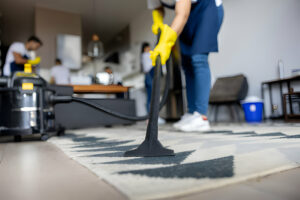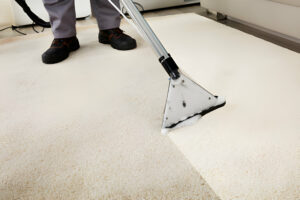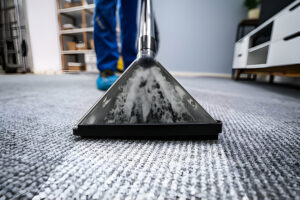

Carpet can make a Sydney home feel warmer, quieter, and more comfortable underfoot, but it also takes daily punishment from shoes, pets, spills, sunlight, and shifting humidity. At some point, every property owner faces the same question: is this carpet worth cleaning again, or has it reached the stage where replacement is the smarter investment?
The answer depends on more than appearance alone. Age, fiber condition, odour, health concerns, subfloor issues, room usage, and long term costs all matter. For homeowners, landlords, property managers, and investors, knowing when to stop paying for repeated cleaning and start planning a replacement can save money and improve the look, hygiene, and value of a property.
How carpet condition affects comfort, hygiene, and property value
Carpet does much more than cover a floor. It cushions footsteps, reduces noise between rooms, helps create a finished look, and can influence how clean and well maintained a property feels. In family homes, it often softens play areas and bedrooms. In rentals, it affects inspection outcomes and tenant impressions. In investment properties listed for sale, worn carpet can make an otherwise solid home look tired and neglected.
Cleaning can restore a surprising amount of freshness when the main issue is surface dirt, mild staining, or temporary odour. Professional hot water extraction, low moisture cleaning, and targeted spot treatment can all improve appearance. However, cleaning has limits. Once the pile is crushed, the backing is failing, stains have chemically set, or moisture damage has spread below the surface, cleaning may only deliver a short lived cosmetic improvement.
This matters in Sydney because local conditions can accelerate wear in specific ways. Coastal air can contribute to persistent dampness in poorly ventilated rooms. Sand tracked in from beaches acts like an abrasive. High foot traffic in urban homes and apartments can flatten carpet quickly. Seasonal humidity can also worsen mould risk if spills, leaks, or previous water damage were not properly dried. According to the health effects of mould in the home, damp and mould can aggravate respiratory issues, which is one reason carpet condition should never be judged on looks alone.
Start with the age of the carpet
One of the clearest indicators is age. Most residential carpets last roughly 5 to 15 years depending on fiber type, quality, installation standard, maintenance, and household traffic. A low cost synthetic carpet in a busy rental may look worn in far less time. A well maintained wool carpet in a low traffic home office may last much longer.
Typical lifespan by situation
- Budget rental carpet: often 5 to 7 years in high traffic zones
- Mid range family home carpet: often 8 to 12 years
- Premium carpet with good maintenance: often 10 to 15 years or more

If your carpet is already near or beyond its expected lifespan, repeated cleaning may become poor value. Even if it comes up cleaner after each service, the underlying fibers may be thinning, fraying, or losing resilience. In that case, replacement is often more practical than trying to stretch another year or two from a floor covering that has already done its job.
Age alone does not always mean replacement is necessary, but old carpet with visible wear, recurring odour, or persistent staining is usually a strong sign that cleaning will not produce a result that lasts.
Signs that cleaning is still a good option
Before deciding to replace, it helps to know when cleaning is absolutely worth trying. Many carpets that look tired are actually dirty rather than damaged. In these situations, a professional clean can extend life and improve indoor presentation significantly.
Cleaning is often suitable when:
- The carpet is under 8 to 10 years old and otherwise structurally sound
- Stains are recent or limited to a few spots
- Odours are mild and caused by surface contamination rather than deep saturation
- The pile still springs back in most areas
- There is no evidence of mould, delamination, or water damage below the carpet
- The backing and seams remain intact
For example, a living room carpet dulled by dust, food crumbs, and foot traffic may respond very well to a quality deep clean. A bedroom carpet with a few makeup or coffee marks may also be salvageable. If the issue is mostly cosmetic and the fibers remain healthy, cleaning can be the most cost effective path.
Situations where cleaning can buy useful time
Property owners sometimes need a practical short term solution. Perhaps you plan to renovate next year, sell after a lease ends, or replace flooring in stages. In these cases, cleaning can be a sensible interim measure if the carpet is not creating a health or safety issue. A good clean may improve inspections, photos, and day to day comfort long enough to support your broader property plans.
Clear warning signs that replacement is the better choice
There comes a point where cleaning stops being restorative and becomes repetitive spending. If one or more of the following problems are present, replacement is often the smarter long term decision.
1. The carpet stays dirty looking even after professional cleaning
If you have already had the carpet professionally cleaned and it still looks grey, patchy, matted, or generally worn out, the issue is likely not dirt alone. Fiber wear changes how carpet reflects light. Flattened pile can look permanently dull even when clean. In these cases, another cleaning service may offer only minimal visual improvement.
2. Stains keep returning
Recurring stains often indicate contamination that has reached the underlay or backing. This is common with pet urine, large drink spills, or previous spot treatments that left residue behind. A stain may seem gone immediately after cleaning, then wick back up as the carpet dries. If this happens repeatedly, replacement of the affected area, or the entire carpet if damage is widespread, is often necessary.

3. There is a strong persistent odour
Lingering smells are one of the biggest clues that carpet has moved beyond routine cleaning. Pet urine, mildew, smoke, and old moisture damage can become embedded deep in the fibers, underlay, and even the subfloor. Surface deodorising rarely solves this for long. If a room smells unpleasant soon after cleaning, especially in humid weather, replacement should be seriously considered.
4. The backing is failing
Carpet backing can deteriorate over time, especially after repeated moisture exposure or age related breakdown. Signs include ripples, wrinkles, separation, loose edges, and areas where the carpet no longer sits flat. Sometimes this can be corrected with re stretching, but if the backing itself is breaking down, cleaning will not help. Replacement is the appropriate fix.
5. The pile is crushed, bald, or uneven
High traffic paths in hallways, stairs, and living areas often show the earliest signs of irreversible wear. Once fibers are crushed or worn away, no cleaning method can rebuild them. If the carpet has obvious traffic lanes, bare patches, or a rough uneven feel underfoot, replacement will usually deliver a far better result than another clean.
6. Water damage or mould is present
Flooding, leaks, and poor drying can create serious problems beneath the surface. Carpet and underlay can trap moisture against the subfloor, encouraging microbial growth. The EPA guide to mold and moisture in your home explains why moisture control is essential and why porous materials may need removal when mould contamination is established. If carpet has been wet for too long or smells musty even after treatment, replacement is usually the safest route.
7. Allergy or respiratory concerns are getting worse
Old carpet can hold dust, allergens, pet dander, and other particles more stubbornly than newer carpet in good condition. While regular vacuuming and periodic professional cleaning help, there is a point where worn carpet becomes difficult to keep truly fresh. If occupants are experiencing ongoing irritation and the carpet is old, stained, or damp affected, replacement may support a healthier indoor environment.
How Sydney conditions can influence the replace versus clean decision
Sydney properties are diverse. A beachside apartment in the Eastern Suburbs faces different carpet challenges than a family home in the Hills District or a terrace in the Inner West. Local conditions matter when assessing whether cleaning will be enough.
Coastal properties
Homes near the coast often deal with salt air, sand, and elevated moisture levels. Fine sand can work deep into carpet and abrade fibers over time. Even with regular vacuuming, beachside carpet may age faster in entryways and living areas. If the pile has become harsh or flattened from years of sandy traffic, replacement may be more effective than repeated cleaning.

High rise apartments
Apartments can trap odours more noticeably because of compact layouts and less cross ventilation. Cooking smells, pet odours, and moisture from bathrooms or laundry areas may linger in carpeted bedrooms and hallways. In strata settings, acoustic underlay may also be part of the flooring system, so replacement decisions should consider both comfort and compliance requirements.
Family homes with pets and children
Busy households generate spills, food stains, tracked in dirt, and wear patterns. If the carpet is still relatively young, cleaning can often reset it successfully. But in homes where accidents have soaked repeatedly into the same zones, especially bedrooms or living rooms used by pets, replacement may be the only way to fully remove odour and staining.
Rental properties
Landlords and property managers need to weigh presentation, durability, and return on investment. A professional clean between tenancies is often standard and sensible. However, if the carpet looks visibly old in listing photos, smells stale during inspections, or attracts repeated tenant complaints, replacement can reduce vacancy risk and help justify stronger rental appeal.
Cost comparison: when repeated cleaning stops making financial sense
Many property owners focus first on the lower upfront cost of cleaning, which is understandable. But the better question is total value over time. If you have a carpet that needs frequent spot treatment, repeated deodorising, and annual deep cleaning yet still looks poor, those costs can add up without solving the underlying problem.
Consider the real cost of keeping old carpet
- Professional cleaning fees every 6 to 12 months
- Extra stain treatments for pets or spills
- Odour control products that only mask smells
- Potential lost appeal for buyers or tenants
- More frequent vacuuming and maintenance effort
- Possible underlay or subfloor issues left unresolved
Now compare that with the value of replacement. New carpet can improve appearance immediately, reduce odour issues, feel better underfoot, and potentially last many years with proper care. If your current carpet needs a lot of attention just to remain acceptable, replacement may be less expensive over the medium term.
A simple decision rule
If the carpet requires major cleaning but still has multiple structural or hygiene problems, avoid spending heavily on restoration unless there is a clear reason to delay replacement. In many cases, a moderate cleaning bill on a failing carpet simply postpones the inevitable.
Room by room guidelines for deciding what to do
Not every area of a property wears out at the same rate. A room by room assessment can help you avoid replacing more carpet than necessary.
Bedrooms
Bedrooms often have lighter foot traffic, so cleaning may be enough if the carpet is mainly dusty or slightly stained. Replace if there is pet urine contamination, strong odour, sun fading combined with wear, or visible matting around the bed and doorways.

Living rooms
These spaces usually show heavy use. Food spills, foot traffic, and furniture compression can all take a toll. If the carpet has broad traffic lanes, flattened pile, or multiple old stains, replacement often delivers a better visual result than cleaning.
Hallways and stairs
These are among the first areas to fail because they carry concentrated traffic. Cleaning can remove dirt, but it cannot restore worn fiber on stair noses or narrow paths. If safety is becoming a concern because the carpet is loose or threadbare, replace promptly.
Rental common areas
In investment properties, hallways and living zones influence tenant perception more than secondary rooms. If budget is limited, targeted replacement in the most visible areas may make more sense than cleaning old carpet throughout the entire property.
What to inspect before making the final decision
Before booking either a cleaner or installer, inspect the carpet carefully in daylight. A systematic check can prevent guesswork.
Use this practical checklist
- How old is the carpet?
- Has it already been professionally cleaned recently?
- Are stains isolated or widespread?
- Do odours return after airing out the room?
- Is the pile springy or permanently flat?
- Are there ripples, loose seams, or edge damage?
- Has the carpet been affected by leaks, flooding, or pet accidents?
- Does the underlay feel uneven, crunchy, or damp?
- Would a clean improve the property enough to justify the cost?
- Would replacement better support resale, rental, or renovation goals?
If several answers point to age, wear, odour, or moisture problems, replacement is likely the wiser choice.
Can partial replacement work?
Sometimes full replacement is not necessary. If damage is confined to one room or a small section, partial replacement may be possible. This works best when:
- The same carpet is still available
- The damaged area is clearly separated, such as one bedroom
- The surrounding carpet is still in good condition
- There is no widespread odour or underlay contamination
However, patching and partial replacement can be difficult if the original carpet has faded or worn differently over time. A new piece may not blend well with older sections. In visible spaces, the mismatch can be more obvious than expected. For this reason, partial replacement is usually most successful in low profile rooms rather than open plan living areas.
When landlords should replace carpet instead of cleaning between tenants
For landlords, timing matters. Cleaning between tenants is standard, but there are circumstances where replacement is the better business decision.
Replace if the carpet:
- Photographs poorly for listings because of wear or staining
- Has odours likely to affect inspections
- Has generated repeated complaints about cleanliness
- Looks substantially older than the rest of the property
- May undermine perceived value and rent potential

Fresh flooring can make a rental feel more modern and better maintained, even if no other major upgrades are completed. In competitive Sydney rental markets, presentation can influence both enquiry levels and tenant quality.
Choosing replacement at the right time can prevent bigger problems
One of the biggest mistakes property owners make is waiting too long. Old carpet can hide damage underneath. A musty smell may actually point to underlay breakdown or moisture in the subfloor. Loose carpet can become a trip hazard. Pet contamination can spread farther than the visible stain suggests. Delaying replacement may increase the scope of work later.
By replacing at the right time, you can inspect what is happening below the carpet, address hidden issues, and start fresh with materials better suited to the room. For example, you may choose a more stain resistant option in a rental, a denser pile for a hallway, or a lower allergy flooring solution for a bedroom.
How to make the smartest decision for your property
If you are unsure, think in terms of purpose rather than emotion. Ask what outcome you need from the floor over the next 3 to 10 years.
Cleaning is usually the better choice if:
- The carpet is relatively young
- The problem is mostly dirt or minor staining
- There is no structural or moisture issue
- You need a short term refresh before a future renovation
Replacement is usually the better choice if:
- The carpet is old and nearing the end of its lifespan
- Wear is visible even after cleaning
- Odour, mould, or water damage is present
- Stains are widespread or keep returning
- You want a longer lasting improvement in comfort and presentation
It can also help to get both a cleaning assessment and a replacement quote. Comparing the likely results side by side often makes the decision clearer. If a cleaner cannot confidently improve the carpet beyond a modest refresh, that is useful information.
Takeaways
Knowing when to replace carpet instead of cleaning it is really about recognising the difference between dirt and deterioration. Cleaning is excellent for maintenance, freshening, and extending the life of carpet that still has sound structure and healthy fibers. But once age, odour, stains, moisture, or wear have crossed a certain line, replacement becomes the more practical and cost effective solution.
For Sydney property owners, the best decision balances hygiene, appearance, budget, and long term property goals. If your carpet still has life in it, a professional clean may restore it beautifully. If it looks worn soon after cleaning, smells persistently, or shows signs of deeper damage, replacing it is not an overreaction. It is often the smartest next step for the comfort, health, and value of your property.
Need help with When Should You Replace Carpet Instead of Cleaning It A Practical Guide for Sydney Property Owners?
Get A Free Quote Today
Need help with When Should You Replace Carpet Instead of Cleaning It A Practical Guide for Sydney Property Owners? Get A Free Quote Today