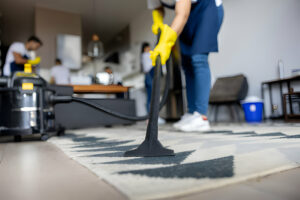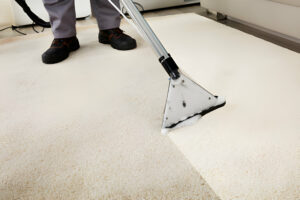

Choosing between a fabric sofa and a leather lounge is not just about style. For Sydney homeowners, the decision also affects cleaning routines, long term maintenance, indoor comfort, and how well furniture holds up in a coastal, sunny, and often busy family environment. What looks perfect in a showroom can behave very differently once it is exposed to pets, children, humidity, food spills, and daily use.
Understanding how each material responds to dirt, moisture, body oils, allergens, and professional treatment can help you make a smarter buying decision and protect the investment you already have. Whether you own a plush fabric sectional in a family room or a sleek leather lounge in an apartment, knowing the right cleaning approach can extend its life, improve hygiene, and keep it looking far better for longer.
Why upholstery material matters more than most homeowners expect
Many people think sofa cleaning is simple. Vacuum it, wipe it down, and call a professional every now and then. In reality, upholstery care depends heavily on the material itself. Fabric and leather may serve the same purpose, but they attract different types of soiling, react differently to moisture, and require very different cleaning products and techniques.
Fabric upholstery tends to trap dust, crumbs, pollen, pet hair, and body oils within its fibres. Leather, by contrast, does not absorb loose debris in the same way, but it is vulnerable to drying, cracking, staining from oils, and surface wear if cleaned incorrectly. Sydney homes add another layer of complexity. Strong UV exposure, salty coastal air in some suburbs, humidity fluctuations, and indoor outdoor living all influence how lounges age and how often they should be cleaned.
When homeowners understand these differences, they can avoid common mistakes such as over wetting fabric, using household detergents on leather, scrubbing stains aggressively, or delaying professional care until visible damage appears.
How fabric sofas collect dirt and why that affects cleaning
Fabric sofas are popular because they feel soft, warm, and versatile. They work well in family homes, media rooms, and casual living spaces. They also come in many weaves, colours, and performance finishes. However, the very texture that makes fabric comfortable also makes it more likely to hold onto contaminants.
What builds up inside fabric upholstery
Even if a sofa looks clean on the surface, the fibres and padding can hold a surprising amount of material. Common build up includes:
- Dust and fine soil tracked in from shoes and open windows
- Food crumbs and drink residue
- Pet hair and pet dander
- Skin flakes and body oils
- Pollen and other outdoor particles
- Moisture from humidity or spills
- Odours from cooking, smoke, and pets
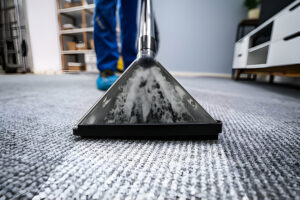
These particles can settle deep into the pile or weave, especially in seat cushions and armrests. Over time, this build up can dull colours, flatten fibres, and create a gritty feel. It can also contribute to indoor air quality concerns. Information from the EPA guide to indoor air quality helps explain why soft furnishings can play a role in trapping indoor pollutants and allergens.
Why some fabric stains become permanent
Fabric is absorbent to varying degrees. Natural fibres such as cotton and linen often absorb liquids quickly. Synthetic fibres such as polyester may resist some spills better, but can still hold oily residue. Once a spill penetrates beyond the surface, it can wick through the cushion and spread. This is why a small spot on top can become a much larger stain underneath.
Stains that are left untreated often oxidise or bond with the fibres. Wine, coffee, tea, tomato based sauces, makeup, sunscreen, and pet accidents are particularly problematic. In Sydney, sunscreen transfer is a frequent issue, especially on light coloured lounges during summer. The oils in these products can attract additional soil and create dark marks that become more visible over time.
How leather lounges soil differently
Leather lounges are often chosen for their sleek appearance, easier day to day wipe down, and perceived durability. While leather does not trap dry debris like fabric, that does not mean it is maintenance free. Leather has its own vulnerabilities, and many of them are caused by well meaning but incorrect cleaning.
Common contaminants on leather
Leather usually accumulates:
- Body oils on headrests and armrests
- Dust on the surface and in seams
- Dye transfer from clothing
- Food and drink spills
- Pet scratches and surface abrasion
- Residue from household cleaners or wipes
Unlike fabric, leather contamination is often more visible in specific contact points. Headrests can darken from hair products and skin oils. Armrests may become sticky or dull. Seat cushions can show cracking if the leather dries out or if dirt acts like an abrasive during use.
Not all leather is the same
One of the biggest sources of confusion for homeowners is that leather is not one uniform material. Cleaning needs vary depending on the finish. Common types include:
- Pigmented or protected leather, which has a surface coating and is generally the most practical for family homes
- Aniline leather, which is softer and more natural looking but more absorbent and stain prone
- Semi aniline leather, which offers some protection with a more natural appearance
- Bonded leather, which contains leather fibres mixed with other materials and can be less durable

Using the wrong product on the wrong leather type can cause discolouration, stiffness, or damage to the finish. This is why professional assessment is often worthwhile before any deep cleaning or conditioning treatment.
Cleaning frequency for Sydney homes
Cleaning schedules should reflect how the lounge is used and where the home is located. A sofa in a quiet formal room will not need the same attention as a lounge in a busy family area near the beach.
General maintenance for fabric sofas
For most Sydney households, a sensible routine includes:
- Vacuuming weekly using an upholstery attachment
- Spot cleaning spills immediately with the correct method for the fabric type
- Rotating and fluffing cushions where possible
- Professional deep cleaning every 12 to 18 months
Homes with pets, children, allergy concerns, or heavy entertaining may benefit from professional cleaning every 6 to 12 months.
General maintenance for leather lounges
Leather usually needs:
- Weekly dry dusting or vacuuming of seams and creases
- Prompt wiping of spills with a soft cloth
- Periodic cleaning with a leather safe product
- Conditioning at intervals recommended for the leather type
- Professional cleaning and conditioning every 12 to 24 months
In sun exposed Sydney rooms, leather may need more frequent conditioning and closer monitoring for fading or dryness.
DIY cleaning mistakes that cause expensive damage
Many upholstery problems are made worse by incorrect home treatment. A quick internet tip or supermarket spray can turn a manageable issue into permanent damage.
Common fabric sofa mistakes
- Over wetting the fabric, which can lead to water marks, browning, mould risk, or cushion odour
- Scrubbing a stain aggressively, which can distort fibres and spread the stain
- Using dish soap or laundry detergent without proper rinsing, leaving sticky residue that attracts soil
- Applying stain remover without testing for colourfastness
- Ignoring manufacturer care codes
Fabric upholstery often has care labels such as W, S, WS, or X. These indicate whether water based or solvent based cleaning is appropriate. If the label is missing or unclear, caution is essential.
Common leather lounge mistakes
- Using baby wipes, antibacterial wipes, or generic household cleaners
- Applying too much water
- Using vinegar or harsh DIY mixtures
- Conditioning dirty leather, which can seal in grime
- Placing the lounge in direct sunlight or close to heat sources after cleaning
Leather needs pH appropriate care. Harsh products can strip protective finishes or dry the hide. Guidance from the National Park Service on leather care reinforces the importance of gentle, material specific treatment and avoiding products that can accelerate deterioration.
Professional cleaning methods and how they differ

Professional upholstery cleaning is not one single process. The right method depends on the material, soil level, stain type, and construction of the furniture.
Professional cleaning for fabric sofas
Fabric cleaning may involve several stages:
- Inspection and fibre identification
- Dry soil removal through detailed vacuuming
- Pre treatment of stains and high use areas
- Hot water extraction, low moisture cleaning, or dry solvent cleaning depending on the fabric
- Rinsing to remove residues
- Drying and grooming of fibres
Hot water extraction is common and effective for many synthetic upholstery fabrics, but it must be controlled carefully. Too much moisture can lead to long drying times or water marks. Delicate natural fibres may require low moisture or specialised solvent based approaches.
Professional cleaning for leather lounges
Leather cleaning usually includes:
- Assessment of leather type and finish
- Dry removal of dust and grit
- Use of a leather safe cleaner to lift oils and surface soil
- Gentle agitation with soft cloths or specialist tools
- Removal of residues
- Conditioning or protection treatment where suitable
Some leather lounges may also need colour touch ups, crack treatment, or protective barrier products, especially if they have suffered sun exposure or heavy wear.
Stain resistance and real world family living
When comparing fabric sofa vs leather lounge cleaning, one of the most practical questions is this: which is easier to live with when life gets messy?
Fabric in homes with children
Fabric can be forgiving in one sense because scratches are less obvious and it feels comfortable for play, lounging, and naps. However, it is more vulnerable to juice spills, snack crumbs, texta marks, and mystery stains. Darker colours and patterned weaves can hide minor marks, but they do not stop contamination from building up below the surface.
Performance fabrics have improved this category significantly. Many modern sofas use treated textiles designed to resist spills and simplify spot cleaning. Even so, no fabric is completely immune to soiling, and treatment performance can diminish over time.
Leather in homes with children
Leather can be easier to wipe after spills, making it attractive for busy households. A dropped drink may remain on the surface long enough for quick removal. On the other hand, pens, sharp toys, belt buckles, and pet claws can leave marks that are harder to ignore. Sticky residues can also affect the finish if not cleaned correctly.
For families, protected leather is usually the most practical option. It offers more resistance to staining than delicate aniline leather and generally handles routine cleaning better.
Pet owners and upholstery cleaning

Pet owners in Sydney often find that fabric attracts and holds more fur, odours, and dander. Pet accidents can also penetrate quickly into cushions. Leather does not trap fur in the same way, and odours are less likely to soak in immediately, but claws can scratch the surface and repeated jumping can wear specific areas.
If pets are part of the household, regular maintenance matters more than the material alone. Throws, grooming, quick clean up of accidents, and scheduled professional care all help preserve the furniture.
Allergies, hygiene, and indoor comfort
For some households, comfort is not just about appearance. It is also about health and cleanliness.
Fabric and allergen retention
Because fabric traps more particulate matter, it may hold more dust mites, pollen, and dander than leather, especially if cleaning is irregular. This does not mean fabric is unhealthy by default, but it does mean consistent vacuuming and periodic deep cleaning are especially important in homes with asthma or allergies.
Humidity can also affect fabric upholstery. If a sofa stays damp after a spill or cleaning, it can develop musty odours or microbial growth. This risk is higher in poorly ventilated rooms.
Leather and hygiene
Leather has a smoother surface, so loose dust and allergens are generally easier to remove. This can make it appealing for allergy conscious households. However, leather still needs regular cleaning because oils, sweat, and grime accumulate where people make contact. A lounge that looks clean can still have a film of residue that affects both hygiene and appearance.
The impact of Sydney climate on sofa and lounge care
Sydney conditions can be tough on upholstered furniture. Even within the metro area, homes near the coast, in humid pockets, or with strong western sun may face different challenges.
Sun exposure
UV light is a major issue for both fabric and leather. Fabric can fade and weaken. Leather can dry, fade, and crack. Large windows, open plan living areas, and bright afternoon light make positioning important. Blinds, curtains, UV filtering window film, and thoughtful furniture placement can all reduce damage.
Humidity and ventilation
Humidity affects how quickly upholstery dries after cleaning or spills. Fabric is more vulnerable to lingering moisture problems, but leather can also suffer if conditions are damp and air circulation is poor. Proper ventilation is important after any deep cleaning process.
Sand and salt in coastal areas
Homes near the beach often deal with fine sand and salty air. Sand is abrasive and can grind into fabric fibres or collect in leather seams. Salt and moisture can accelerate wear if surfaces are not cleaned regularly. In these areas, more frequent vacuuming and wipe downs are worthwhile.
Cost of cleaning and long term maintenance
Initial purchase price is only part of the story. Homeowners should also consider the ongoing cost of keeping furniture in good condition.
Fabric sofa maintenance costs
Fabric sofas often require more frequent deep cleaning because they absorb more dirt and odours. Stain protection treatments may also be recommended after professional cleaning. If spills are common, the cumulative cost of stain treatments and more frequent service can add up.

That said, fabric can sometimes hide wear better than leather, depending on the weave and colour. Minor surface ageing may be less noticeable in textured upholstery.
Leather lounge maintenance costs
Leather may need less frequent deep cleaning, but specialist care can be more expensive per visit. Conditioning products, repair of scratches, colour restoration, and treatment of cracking can all carry higher costs if maintenance has been neglected.
Well maintained quality leather can age beautifully and last a long time. Poorly maintained leather can deteriorate quickly and become costly to restore.
How to choose the right material for your lifestyle
If you are deciding between fabric and leather, the best choice depends less on trends and more on how you live.
Fabric may suit you better if
- You prefer a softer, warmer feel
- You want more colour and texture options
- You have a lower risk of frequent spills or can commit to regular cleaning
- You want a cosy, casual look
- You are choosing a high quality performance fabric for family use
Leather may suit you better if
- You want easier day to day wipe down cleaning
- You prefer a sleek or timeless appearance
- You are concerned about loose dust and allergens sitting in upholstery
- You are willing to maintain the finish properly
- You can protect it from strong direct sunlight
Questions to ask before booking professional upholstery cleaning
Not all cleaning services approach fabric and leather with the same level of expertise. Before booking, ask a few practical questions:
- Do you clean both fabric and leather upholstery?
- How do you identify the correct cleaning method for the material?
- Do you test products before treatment?
- What drying time should I expect?
- Do you offer conditioning or protection for leather?
- Can you treat specific stains such as sunscreen, wine, or pet accidents?
- Are your products suitable for children and pets once dry?
A good provider should be able to explain their process clearly rather than offering a one size fits all approach.
Simple maintenance habits that make a big difference
Whether your lounge is fabric or leather, a few consistent habits can dramatically improve cleanliness and longevity.
For fabric sofas
- Vacuum crevices, under cushions, and arms weekly
- Blot spills immediately instead of rubbing
- Use washable throws in high use areas
- Keep food and drinks controlled in family rooms where possible
- Schedule professional cleaning before the sofa looks heavily soiled
<h3
Need help with Fabric Sofa vs Leather Lounge Cleaning What Sydney Homeowners Should Know?
Get A Free Quote Today
Need help with Fabric Sofa vs Leather Lounge Cleaning What Sydney Homeowners Should Know? Get A Free Quote Today