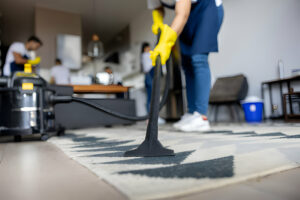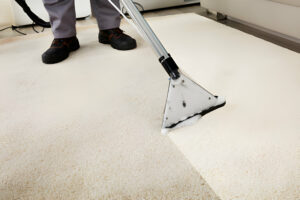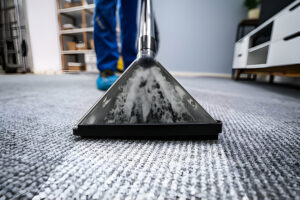
A carpet that looks freshly cleaned but feels crunchy, stiff, or rough underfoot can be frustrating. Many homeowners expect a soft, fluffy finish after cleaning, so when the fibers dry with a hard or brittle texture, it raises concerns about whether something went wrong. The good news is that a crunchy carpet usually points to a fixable issue rather than permanent damage.
In most cases, stiffness after cleaning is caused by residue, over-wetting, soil wicking back to the surface, or changes in the carpet pile as it dries. Understanding the cause matters because the right solution depends on what happened during the cleaning process. Once you know why the carpet feels different, you can restore softness, improve appearance, and help the flooring stay cleaner longer.
What a crunchy carpet is really telling you
When carpet feels stiff after cleaning, the texture is often a symptom rather than the problem itself. Carpet fibers are designed to flex, separate, and recover after foot traffic. If they dry clumped together, coated with residue, or matted down by excess moisture, the surface can feel hard, scratchy, or almost sticky. This does not always mean the carpet is damaged. It often means something has been left behind or the fibers need grooming and a more complete rinse.
There are several common reasons this happens:
- Too much detergent or shampoo remained in the carpet
- The carpet was over-wet and dried slowly
- Soil from deep in the backing wicked upward during drying
- Hard water minerals were left behind after extraction
- The pile dried in a flattened or tangled position
- Improper DIY cleaning products created a residue film
Each of these causes affects texture in a slightly different way. Some carpets feel crispy only in high traffic lanes. Others feel stiff everywhere. In some homes, the carpet may even look dull or slightly gray after drying, which can signal that residue or returning soil is part of the issue.
Residue is the most common cause of stiffness
The number one reason carpets feel crunchy after cleaning is detergent residue. Carpet cleaning solutions are designed to loosen soil, oils, and debris from the fibers. If too much product is used, or if the carpet is not rinsed thoroughly, a portion of that cleaner remains behind after drying. Once dry, the residue can bind fibers together and create a rough or crunchy feel.
This issue is especially common with rental machines and DIY carpet shampoos. Many consumer products produce a lot of foam or scent, which can make the carpet seem cleaner during the process, but more product does not equal better results. In fact, over-application often creates a tacky layer that attracts dirt quickly after cleaning. As people walk across the carpet, those residues grab onto dust and oils, making the carpet feel even worse within days.

Residue can come from several sources:
- Using more shampoo than the label recommends
- Applying spot cleaners without rinsing them out
- Mixing different carpet products together
- Adding extra soap to a cleaning machine
- Repeated cleaning of the same area without full extraction
If your carpet feels slightly sticky, attracts footprints, or seems to get dirty again very quickly, residue is a strong possibility. According to the IICRC carpet cleaning guidance, proper cleaning includes removing soil and cleaning agents effectively, not just applying them.
How residue changes the feel of carpet
Carpet fibers should dry individually enough to move and rebound. When detergent dries on them, it acts like a light adhesive. Fibers clump together and lose their normal softness. In some synthetic carpets, this can feel almost plastic-like. In others, especially cut pile styles, the carpet may feel harsh and wiry.
Residue also affects appearance. The carpet may reflect light unevenly, look dull, or show traffic marks more easily. If the stiffness is widespread rather than isolated to one spill or stain area, residue is often the first thing to investigate.
Over-wetting can leave fibers hard and matted
Too much moisture during cleaning is another major cause of a stiff carpet. While hot water extraction can be very effective, the process has to balance cleaning with proper recovery of moisture. If too much water enters the carpet and pad, the fibers can dry slowly and settle into a flattened, compacted shape. This can make the carpet feel stiff even if there is little detergent residue.
Over-wetting is more likely when:
- The machine has weak suction
- The cleaner makes too many wet passes and too few dry passes
- The carpet is heavily soiled and repeatedly saturated
- Humidity is high and airflow is poor
- The carpet pad absorbed excess moisture
Slow drying can also create musty smells, browning, or recurring spots as moisture brings dissolved soils upward. If the carpet feels crunchy and also took more than 24 hours to dry, over-wetting may be a key part of the problem.
Why drying conditions matter
Even a properly cleaned carpet can feel less soft if it dries poorly. Air movement, temperature, and indoor humidity all influence the final texture. In a closed room with little ventilation, fibers may remain damp long enough to dry in compressed patterns. Fans, air conditioning, and dehumidification help the pile recover more naturally.
The EPA guide to indoor air quality also emphasizes the importance of controlling indoor moisture, which is relevant not only for comfort but also for preventing lingering dampness after cleaning.

Wicking can make carpet feel rough after it seems clean
Wicking happens when moisture deep in the carpet or pad travels upward as the carpet dries, carrying dissolved soil with it. This often shows up as spots that disappear during cleaning and then return later. But wicking can also contribute to a rough or crunchy feel if fine soil, detergent, or other residues collect near the tips of the fibers.
This is especially common in:
- High traffic areas with deep embedded soil
- Carpet affected by pet accidents
- Areas previously cleaned many times with soap-heavy products
- Spills that reached the backing or padding
When the contaminants rise and dry near the surface, they can leave the carpet feeling coarse. In severe cases, the carpet may look clean from a distance but feel gritty when touched. Homeowners sometimes mistake this for permanent wear when it is actually a drying-related issue.
Hard water and mineral deposits can create a crunchy texture
In some homes, the problem is not just the cleaning product but the water used with it. Hard water contains dissolved minerals such as calcium and magnesium. If a carpet is cleaned with hard water and not rinsed thoroughly, some minerals can remain behind as the moisture evaporates. This can contribute to a stiff or slightly chalky feel.
Hard water problems are more noticeable when:
- DIY machines are filled from a tap with very hard water
- There is minimal rinsing or extraction
- Large areas are cleaned repeatedly over time
- The carpet already has detergent buildup that traps minerals
Mineral residue alone is not always the main culprit, but it can compound other issues. A carpet with both soap residue and mineral deposits may feel especially crunchy after drying.
Carpet fiber type affects how stiffness shows up
Not all carpets respond to cleaning in the same way. The material, pile height, density, and age of the carpet all influence whether stiffness becomes noticeable.
Nylon carpet
Nylon is durable and resilient, but it can feel rough if residue is left behind or if the pile dries matted. Because it is often used in busy areas, traffic-related soil can also wick up after cleaning.
Polyester carpet
Polyester can feel slick when clean, but residue may make it feel waxy or slightly sticky. Lower-cost polyester carpets may also crush more easily during drying, which can be mistaken for stiffness.
Olefin or polypropylene carpet
Olefin resists moisture but can attract oily soils. If cleaning products do not fully remove those soils, the carpet may feel stiff or greasy after drying.
Wool carpet
Wool requires careful cleaning. Over-wetting, high alkalinity products, or poor rinsing can affect its hand feel significantly. Wool may feel rougher if cleaned with the wrong chemistry.

Older carpet
Age matters. A worn carpet may have split, frayed, or compacted fibers that become more obvious after cleaning. In these cases, the cleaning did not cause the damage, but it revealed the true condition of the pile once soil and oils were removed.
How to tell whether the problem is residue, wear, or damage
Before trying to fix a crunchy carpet, it helps to identify what you are dealing with. Ask a few simple questions:
- Did the carpet feel soft before cleaning and stiff only after drying?
- Was a lot of detergent or spot cleaner used?
- Did the carpet take a long time to dry?
- Are only certain areas affected, such as stains or traffic lanes?
- Does the carpet feel sticky, gritty, or simply flattened?
Here are some clues:
- Sticky or tacky feel: usually points to detergent residue
- Crunchy with recurring spots: often suggests wicking
- Flat and rough but not sticky: may be pile distortion from over-wetting or wear
- Chalky or dry feel: can indicate mineral residue or product buildup
- Only in old traffic lanes: may be wear that cleaning made more visible
If the carpet fibers look frayed, fuzzy, or permanently crushed, some of the roughness may be due to age and abrasion rather than a removable residue. Still, many carpets improve a great deal with proper rinsing and grooming.
How to fix a carpet that feels crunchy after cleaning
The best remedy depends on the cause, but in many cases you can restore softness with a few targeted steps.
1. Vacuum thoroughly after the carpet is fully dry
This is the simplest first step and often surprisingly effective. Vacuuming lifts the pile, separates fibers, and removes dry residues near the surface. Use a vacuum with good suction and make several slow passes in different directions. If the carpet only feels mildly stiff, this may solve much of the problem.
Wait until the carpet is completely dry before vacuuming. Vacuuming damp carpet can stress the fibers and may not remove residue effectively.
2. Brush or groom the pile
For localized stiffness, gently brush the carpet with a carpet rake or soft-bristled grooming tool. This helps break apart fibers that dried together and can restore a softer feel. Work carefully, especially on delicate or looped carpets, to avoid snagging.
Grooming is especially useful when the issue is matting rather than sticky residue. You may notice improvement right away in areas where furniture compressed the pile during drying.
3. Re-rinse with plain warm water
If residue is the likely issue, a clear water rinse is often the most effective fix. The goal is to flush out leftover detergent without adding more chemicals. You can do this with a carpet cleaning machine that has strong extraction, using only warm water and making multiple slow dry passes afterward.

Important tips:
- Do not add more shampoo
- Use less water than you think you need
- Extract thoroughly to speed drying
- Increase airflow with fans and open ventilation where possible
In many cases, one careful rinse improves both texture and appearance. If the carpet had heavy product buildup, a professional hot water extraction with proper rinsing may be needed.
4. Address recurring spots or wicking
If stains or dingy patches return as the carpet dries, wicking is likely involved. Blot the area, rinse lightly, and extract as much moisture as possible. Then place a clean white towel over the spot with some weight on top to draw remaining moisture upward into the towel as it dries.
For deeper contamination, especially pet-related issues, surface cleaning may not be enough. The padding or backing may need professional treatment.
5. Improve drying conditions
If over-wetting contributed to stiffness, better drying can help restore the carpet. Use box fans, ceiling fans, air conditioning, or a dehumidifier. Keep air moving across the carpet for several hours. Faster drying reduces the chance of fibers clumping, soil wicking, and musty odors.
6. Consider a professional corrective cleaning
When DIY efforts leave the carpet crunchy, a professional cleaner can often correct the issue with a low-residue process and stronger extraction equipment. Ask specifically about a clear rinse, residue removal, and controlled drying. The right service can remove buildup that a rental machine cannot reach effectively.
What not to do when carpet feels stiff
Trying to fix the problem the wrong way can make it worse. Avoid these common mistakes:
- Do not add more soap. More product usually means more residue.
- Do not soak the carpet again without strong extraction. Excess moisture can worsen wicking and matting.
- Do not scrub aggressively. Harsh brushing can fuzz or distort carpet fibers.
- Do not use household cleaners not made for carpet. Dish soap, laundry detergent, and other improvised products are notorious for leaving residue.
- Do not ignore slow drying. If the carpet stays damp too long, odor and microbial issues can develop.
How to prevent crunchy carpet after future cleanings
Prevention is easier than correction. Whether you clean your carpet yourself or hire a professional, a few best practices can help keep the fibers soft after drying.
Use less product than you think
Always follow dilution instructions exactly. More cleaner does not mean more soil removal. It usually means more rinsing is needed.
Prioritize extraction
Good carpet cleaning is as much about removing moisture and soil as applying solution. Make extra dry passes with the machine to pull out as much water as possible.

Rinse problem areas well
Spots that have been treated multiple times are prime candidates for buildup. If you use a spot cleaner, blot and rinse the area so product does not remain in the fibers.
Dry the carpet quickly
Use fans immediately after cleaning. Move furniture carefully to allow airflow. Avoid cleaning on very humid days if your home has limited ventilation.
Vacuum before and after cleaning
Pre-vacuuming removes dry soil so less mud forms during cleaning. Post-dry vacuuming lifts the pile and removes any loosened residue.
Choose the right cleaning method for the carpet
Some carpets respond better to low-moisture methods, while others do well with hot water extraction when performed correctly. Matching the method to the fiber and soil level reduces the risk of residue and over-wetting.
When stiffness points to a bigger problem
Sometimes a crunchy feel is not just about soap or drying. It can signal deeper issues that need attention.
Padding contamination
If spills, pet urine, or previous over-wetting reached the pad, contaminants can continue to migrate upward. The carpet may feel crusty again and again even after surface cleaning.
Fiber wear and abrasion
Heavily trafficked carpet can lose its original softness permanently. Once fibers are worn down, cleaning cannot fully restore the original texture.
Chemical misuse
Strong cleaners with the wrong pH, oxidizers, or inappropriate solvents can alter how fibers feel. This is less common than residue but can happen when non-carpet products are used.
Subfloor or moisture issues
If moisture is coming from below rather than from cleaning alone, the carpet may repeatedly feel stiff, damp, or musty. In that case, the source of moisture must be addressed.
Signs it is time to call a professional
You may be able to fix mild crunchiness yourself, but professional help makes sense if:
- The carpet remains stiff after vacuuming and a clear water rinse
- There is a strong odor or signs of mildew
- Spots keep returning after drying
- The carpet stayed wet for more than a day
- You suspect pet contamination in the pad
- The carpet is wool or another sensitive fiber
A trained cleaner can evaluate whether the issue is residue, wicking, over-wetting, or wear. In some cases, they may recommend corrective extraction, specialty rinses, sub-surface treatment, or realistic expectations if the carpet is simply at the end of its service life.
Takeaways
A carpet that feels crunchy or stiff after cleaning is usually suffering from a correctable problem, not a ruined one. Most often, the culprit is leftover detergent, excess moisture, slow drying, or soil w
Need help with Why Your Carpet Feels Crunchy or Stiff After Cleaning and How to Fix It?
Get A Free Quote Today
Need help with Why Your Carpet Feels Crunchy or Stiff After Cleaning and How to Fix It? Get A Free Quote Today