
<a href="https://smsteamcleaning.com/how-to-remove-common-carpet-stains-in-sydney-homes-without-making-them-worse/” rel=”internal” target=”_blank”>Candle wax on carpet, rugs, or upholstered furniture can look disastrous, especially when the spill hardens deep into the fibres. The good news is that wax is usually removable with a careful, low-stress process that lifts the residue without grinding it further into the fabric or damaging delicate materials.
The key is to slow down, identify the surface you are treating, and use the right combination of cooling, gentle scraping, controlled heat, and spot cleaning. If you rush in with harsh scrubbing or too much heat, you can flatten pile, spread dye, or set oily residue. With the proper method, most wax spills can be cleaned successfully at home.
Start with the right approach before you touch the spill
Before trying to remove candle wax from carpet rugs and upholstery, pause for a quick assessment. This small step can prevent permanent damage and helps you choose the safest method for the material.
Check what kind of surface you are cleaning
Not all fibres respond the same way. Synthetic carpet such as polyester, nylon, and olefin often tolerates gentle heat and spot cleaning reasonably well. Natural fibres such as wool, cotton, sisal, jute, and some blends can be more sensitive to heat, moisture, or aggressive scraping. Upholstery can be even trickier because the weave, padding, and dyes vary widely.
If you still have the care label for the rug or furniture, check it first. Upholstery cleaning codes can be especially helpful. A fabric marked with a water-safe code may handle a mild cleaning solution, while solvent-only fabrics may need a different approach. If there is no label, test any method in an inconspicuous area before treating the visible wax spot.
Find out whether the candle was dyed, scented, or oily
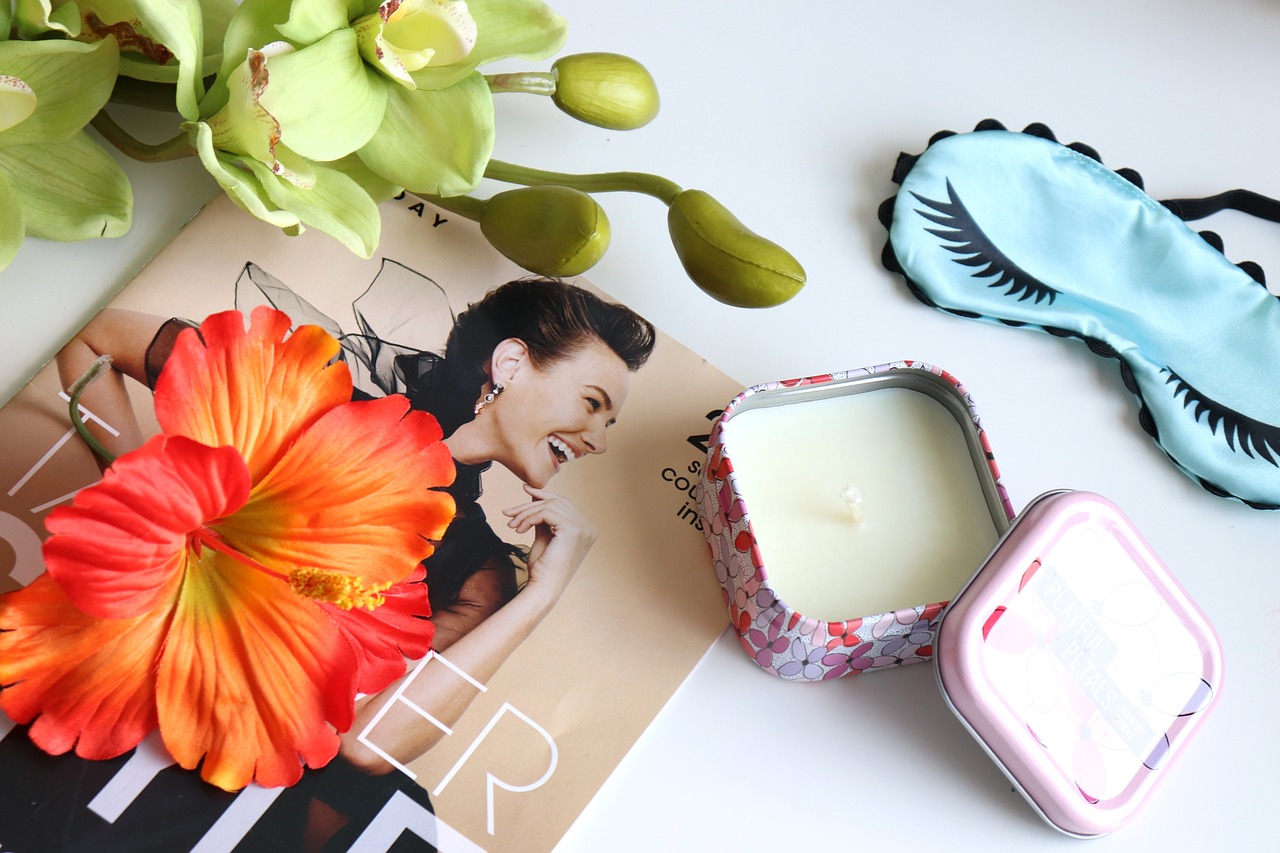
Plain white wax is usually the easiest to remove. Colored candles can leave a dye stain behind even after the wax itself is gone. Scented candles may contain oils that create a greasy mark. Glitter candles or candles with additives can leave extra debris embedded in the fibres. This means wax removal is often a two-stage job: first remove the solid wax, then treat any remaining stain or oily residue.
Avoid the most common mistakes
- Do not rub fresh wax while it is soft. This pushes it deeper into the fibres.
- Do not pour boiling water on carpet or upholstery. Heat can spread wax and distort fibres.
- Do not use an iron directly on the fabric. Always use a protective absorbent layer.
- Do not scrape aggressively with a sharp knife. This can cut loops, fray yarns, or snag upholstery.
- Do not saturate the area with cleaner. Too much moisture can affect backing, padding, or adhesives.
What you need for safe wax removal
Gathering supplies before you begin makes the process smoother and reduces the chance of overhandling the area. You likely already have most of these items at home.
Basic tools and materials
- Ice cubes or an ice pack in a plastic bag
- A spoon, dull butter knife, or plastic scraper
- White paper towels, plain brown paper, or a clean white cotton cloth
- An iron on low setting or a hair dryer on low to medium heat
- Vacuum with upholstery or crevice attachment
- Mild dish soap
- Clean white microfiber cloths
- Warm water
- Rubbing alcohol or a dry-cleaning solvent if appropriate for the fabric
- Baking soda or cornstarch for oily residue if needed
Why white cloths matter
Use only white, non-printed cloths or paper products when applying heat or cleaner. Colored towels can transfer dye, especially under heat or moisture. White materials also let you see whether wax, oil, or color is lifting out of the fabric.
How to remove candle wax from carpet step by step
Carpet usually responds well to a cool, scrape, absorb, and clean method. The exact process depends on whether the wax is still soft or fully hardened.
Step 1: Let the wax harden or speed it up with ice
If the wax is still warm, let it cool naturally for a few minutes. Then place ice cubes in a sealed plastic bag and set the bag on the wax for 5 to 10 minutes. The goal is to harden the wax so it becomes brittle and easier to lift off the carpet surface.
Do not place loose ice directly on the carpet. Excess water can soak into the pile and backing. A sealed bag gives you the cooling effect without unnecessary moisture.
Step 2: Gently lift away as much solid wax as possible
Once the wax is firm, use a spoon edge, plastic scraper, or dull knife to carefully break and lift it away. Work from the outside of the spill toward the center to avoid spreading fragments. Vacuum up the loosened bits as you go.
If the carpet has looped fibres such as Berber, be especially gentle. Tugging or digging can damage the loops. Short, light scraping motions are safer than prying.
Step 3: Use controlled heat to transfer remaining wax
After removing the thicker chunks, there is often a thin layer of wax still clinging to the fibres. Place a plain white paper towel, brown paper, or white cotton cloth over the area. Set an iron to low heat with no steam, or use a hair dryer on a gentle setting. Apply heat briefly through the paper or cloth so the wax softens and transfers into the absorbent layer.
Lift the paper or cloth frequently and switch to a clean area as it absorbs wax. Repeat until little or no wax transfers. Keep the heat moving and never hold it in one place too long. Excessive heat can melt synthetic carpet fibres or distort the pile.
For many fabrics, low heat is safest. If you want additional guidance on heat-sensitive materials, the fabric care guidance from Utah State University Extension offers useful general cleaning principles that support careful testing and gentle treatment.
Step 4: Treat any remaining oily or colored residue
Once the wax itself is gone, inspect the area under bright light. If you see a greasy spot, mix a few drops of mild dish soap into a cup of warm water. Dampen a white cloth with the solution and blot the area gently. Do not soak it. Then blot with a separate cloth dampened with plain water to remove soap residue.
If the candle was colored and a dye stain remains, blotting with a small amount of rubbing alcohol may help on some carpets, but always test first in a hidden spot. Apply the alcohol to a cloth rather than pouring it directly on the carpet, then blot lightly. Follow with a water blot and dry towels.
Step 5: Dry and restore the pile
Blot excess moisture with a dry towel. Let the carpet air dry fully, then vacuum to lift the pile and collect any last particles. If the pile looks flattened, gently brush it with your fingers or a soft brush once dry.
How to remove candle wax from area rugs without harming delicate fibres
Rugs vary more than wall-to-wall carpet. A synthetic machine-made rug may tolerate the standard method well, while a wool, silk, viscose, sisal, or hand-knotted rug may need a much gentler approach.
Wool rugs
Wool is resilient but can be sensitive to high heat, harsh chemicals, and rough scraping. Use the same cool-and-lift method, but keep heat minimal. A hair dryer on low is often safer than an iron. Blot any residue with a wool-safe cleaner or a tiny amount of mild soap in water, then dry thoroughly. Avoid over-wetting because moisture can affect dyes and backing.
Silk and viscose rugs
These fibres are far more delicate. Heat, friction, and moisture can change texture or leave rings. For small wax spots, harden with ice in a bag, lift brittle wax carefully, and use the mildest possible heat through a white cloth. If the rug is expensive, antique, or has rich saturated color, professional cleaning is often the safest choice.
Natural plant fibre rugs such as sisal or jute
These rugs dislike moisture and can stain or warp easily. Focus on hardening and lifting the wax first. If residue remains, use very limited heat with absorbent paper. Avoid wet spot cleaning unless the manufacturer specifically allows it. Too much water can cause browning, distortion, or a stiff texture.
Handmade and antique rugs
If the rug is valuable, old, or hand-dyed, treat wax with caution. Dyes can bleed, and fibre structure can be fragile. In these cases, it is wise to stop after removing loose wax and consult a specialist. The cost of professional help is usually lower than the cost of repairing damage from a home cleaning mistake.
How to remove candle wax from upholstery safely
Upholstery presents a slightly different challenge because wax can settle into the weave and the padding beneath can hold heat or moisture. The process is similar, but control matters even more.
Step 1: Harden the wax
Use an ice pack or ice cubes in a sealed bag to harden the wax. Hold it in place for several minutes until the wax becomes brittle. Avoid getting the fabric wet.
Step 2: Break and lift the wax
Use a spoon or dull scraper to gently chip away the hardened wax. Vacuum up crumbs with an upholstery attachment. Be patient. Several light passes are better than one forceful scrape.
Step 3: Absorb the remaining wax with low heat
Place a white cloth or plain paper over the residue. Use an iron on low without steam, or a hair dryer on low, to warm the area just enough to melt the wax into the absorbent material. Replace the cloth or paper often.
Be careful with velvet, chenille, microfiber, and loosely woven upholstery. These fabrics can crush, mark, or distort under pressure and heat. In such cases, a hair dryer held at a safe distance is often preferable to an iron.
Step 4: Remove any stain based on the fabric code
If an oily mark remains, check the upholstery cleaning code if available. Water-safe fabrics may be blotted with a mild soap solution. Solvent-only fabrics may require a suitable dry-cleaning solvent. Always test first in a hidden area and apply cleaner to a cloth rather than directly to the furniture.
For general stain treatment basics, the National Park Service guidance on stain removal principles is a helpful reference on why testing, blotting, and material sensitivity matter.
Step 5: Dry thoroughly
Blot away moisture and allow the upholstery to dry completely. Open windows or use a fan to speed drying. Avoid sitting on the area until it is fully dry so the fibres do not compress or attract new soil.
How to deal with colored candle wax stains
One of the most frustrating situations is when the wax is gone but a colored shadow remains. This is common with red, blue, purple, and heavily pigmented candles.
Why color remains after wax removal
The heat from the melted candle can carry dye into the fibres. Once the wax is lifted, the pigment may still be bonded to the material. This means you need a stain-removal approach rather than more wax-removal steps.
Safe ways to treat dye residue
Start with the gentlest option. Blot with a mild soap solution and plain water rinse. If that does not help and the material tolerates it, try dabbing with rubbing alcohol on a white cloth. Work from the outer edge inward and blot, never rub. Change to a clean section of cloth often so you do not redeposit color.
On white or very colorfast synthetic carpet, a specialized stain remover may work, but test first and follow product directions exactly. On wool, silk, or richly dyed upholstery, be conservative. Strong stain removers can create a bigger problem than the original wax spill.
How to remove greasy residue after scented candles
Scented candles often contain fragrance oils that can leave a faint greasy patch even after the wax is gone. This residue can attract dirt over time, making the area look darker later.
Blot with a mild degreasing solution
Mix a few drops of dish soap into warm water and blot lightly with a white cloth. Dish soap is designed to cut grease, but only a small amount is needed. Too much soap can leave sticky residue that attracts soil.
Use an absorbent powder for stubborn oil
If the spot still feels oily, sprinkle a light layer of baking soda or cornstarch over the dry area and let it sit for several hours, or overnight if appropriate. Vacuum it up thoroughly. This can help draw out lingering oil before a second light blotting treatment.
When heat is helpful and when it is risky
Heat is one of the most effective tools for wax removal, but it must be used carefully. The idea is to soften residual wax just enough for an absorbent material to pull it away. More heat is not better.
Safer heat practices
- Use low heat only.
- Always place paper or cloth between the heat source and the fibres.
- Keep the heat moving.
- Check progress every few seconds.
- Stop if the fibres feel hot, look shiny, or begin to flatten.
Surfaces that need extra caution
Synthetic carpets can melt. Wool can scorch. Velvet can crush. Delicate rugs can lose texture or color. If you are unsure, use the hair dryer method first because it offers gentler, more controllable warmth than an iron.
What not to use on wax spills
Some common internet tips can do more harm than good, especially on soft furnishings.
- Boiling water can spread wax and damage fibres.
- Sharp blades can cut loops and threads.
- Bleach can discolor and weaken fibres.
- Heavy scrubbing can fuzz, mat, or distort the surface.
- Excess solvent can damage backing, adhesives, or finishes.
Special situations and troubleshooting
If the wax spill is large
Work in stages. Harden one section, lift chunks, vacuum, then move to the next area. Trying to heat a large spill all at once often smears it. Patience gives a cleaner result.
If the wax is deep in thick pile

Use ice first, then gently separate fibres with your fingers as you lift brittle pieces. A vacuum can help pull loose fragments from deep pile before you use any heat.
If the area still feels stiff
There may be a thin wax film left behind. Repeat the absorbent-paper-and-low-heat step with fresh paper until the stiffness is gone.
If a ring appears after cleaning
This usually means residue or uneven moisture remains. Lightly blot the surrounding area with plain water, then blot dry evenly from edge to edge. Avoid soaking. Dry quickly with airflow.
If you notice color transfer onto the cloth
Stop immediately. The dye in the rug or upholstery may be unstable. Further treatment could enlarge the damage. At that point, professional help is the safest next step.
When to call a professional cleaner
Home methods work well for many everyday wax spills, but some situations call for expert treatment.
- The rug is antique, handmade, silk, viscose, or unusually valuable.
- The upholstery fabric is delicate, unlabelled, or solvent sensitive.
- The candle dye has left a strong stain that does not respond to gentle blotting.
- The spill is large and has soaked into padding or backing.
- You see fibre distortion, dye bleed, or texture change during treatment.
Professional cleaners have specialized solvents, extraction tools, and fibre-specific knowledge that can reduce risk, especially for high-value textiles.
How to prevent future wax accidents on carpets and furniture
Prevention is easier than stain removal. If you use candles regularly, a few simple habits can protect your soft surfaces.
Choose safer candle placement
Keep candles on stable, heat-resistant trays away from rug edges, side tables with fabric covers, and upholstered arms. Avoid placing candles where pets, children, or passing sleeves can knock them over.
Use holders that catch drips
Deep candle holders, hurricane jars, and drip-catching trays reduce the chance of wax reaching carpet or upholstery. This is especially useful for taper candles, which are more likely to drip.
Trim wicks and avoid drafts
Long wicks and breezy rooms can create uneven burning and dripping. Trim the wick according to the candle maker’s directions and keep flames away from fans, vents, and open windows.
Consider flameless alternatives
Battery-operated candles offer the atmosphere of candlelight without the risk of wax spills, smoke, or open flame near fabrics.
Takeaways
Removing candle wax from carpet rugs and upholstery without damaging fibres is absolutely possible when you use a calm, methodical process. First harden the wax, then lift away the brittle pieces,
Need help with How to Remove Candle Wax From Carpet Rugs and Upholstery Without Damaging Fibres?
Get A Free Quote Today
Need help with How to Remove Candle Wax From Carpet Rugs and Upholstery Without Damaging Fibres? Get A Free Quote Today