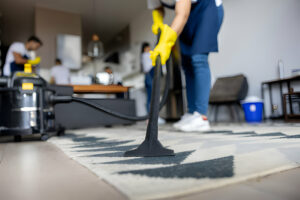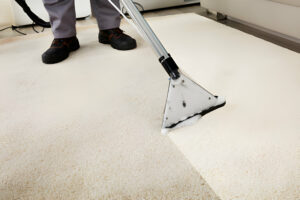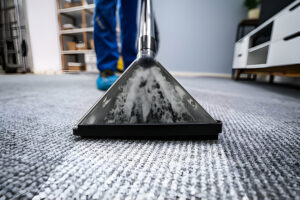

Life in a busy Sydney home can be hard on carpets. Between sandy shoes after a trip to the beach, muddy footprints from wet weather, pets racing through the hallway, and kids dropping snacks in the living room, carpet fibres can collect soil much faster than many people expect. Even when professional carpet cleaning is part of your regular home care routine, the days and months between appointments play a major role in how your carpets look, feel, and last.
The good news is that keeping carpets in better condition does not require complicated routines or expensive equipment. With the right habits, a few practical tools, and a clear plan for handling spills and daily wear, Sydney households can reduce stains, control odours, and extend the life of their carpets while maintaining a cleaner indoor environment.
Create a Practical Carpet Care Routine for Daily Family Life
The most effective way to maintain carpets between professional cleans is to treat carpet care as an ongoing routine rather than a once in a while task. In a high traffic household, dirt does not arrive all at once. It builds up gradually through foot traffic, airborne dust, food crumbs, pet dander, and tiny particles tracked in from outside. When this buildup is ignored, carpet fibres begin to look dull, flattened, and stained.
A practical routine should match the pace of your home. In many Sydney households, that means focusing on small, repeatable actions that prevent dirt from settling deep into the pile. A simple weekly plan might include vacuuming main walkways several times a week, checking for fresh spots each evening, and doing a quick reset of entry areas before the weekend. Bedrooms or formal spaces may need less attention, while living rooms, hallways, staircases, and family rooms often need the most.
Consistency matters more than intensity. A carpet that is lightly maintained every few days will usually stay in better condition than one that is neglected for weeks and then cleaned aggressively. The key is to stop soil from becoming embedded and to address spills before they become permanent marks.
Understand What Makes Carpets Get Dirty Faster in Sydney Homes
Sydney presents a unique mix of conditions that can affect carpets. Coastal suburbs often deal with sand, salt residue, and humidity. Leafy areas may bring in pollen, fine dust, and organic debris. During rainy periods, moisture and mud can be tracked indoors. In warmer months, open windows can increase the amount of airborne dust settling into soft furnishings and flooring.

Busy households also create their own pressure on carpets. Common factors include:
- Children eating or playing on carpeted floors
- Pets shedding hair and bringing in dirt from outside
- Frequent visitors or large families increasing foot traffic
- People wearing shoes indoors
- Prams, sports gear, and school bags being placed on carpeted areas
- Spills from coffee, juice, sauces, and pet accidents
Understanding these sources of wear helps you target prevention. For example, a home near the beach may need stronger focus on entryway control and frequent vacuuming, while a home with indoor pets may need more odour management and spot cleaning.
Vacuuming the Right Way Makes the Biggest Difference
If there is one habit that has the greatest impact between professional cleans, it is proper vacuuming. Many homeowners vacuum too quickly, too infrequently, or with a machine that is not suited to their carpet type. Vacuuming is not just about removing visible crumbs. Its real value lies in extracting fine abrasive particles that cut and wear carpet fibres over time.
How often to vacuum
For busy Sydney homes, these general guidelines work well:
- High traffic areas: 3 to 5 times per week
- Homes with pets or children: daily or every second day in active zones
- Medium use areas: 1 to 2 times per week
- Low use rooms: once per week or as needed
Hallways, lounge rooms, and areas near entrances usually need the most attention. If you can see lint, crumbs, or flattened traffic lanes, the carpet likely needs more frequent vacuuming.
Technique matters
Move slowly enough for the vacuum to lift embedded dirt. Overlapping passes are helpful, especially in traffic lanes. Vacuum in more than one direction where possible, since fibres can trap soil differently depending on the pile. Empty the dust container or replace the bag before it becomes too full, and clean filters according to the manufacturer instructions so suction remains strong.
Choose the right vacuum settings
Different carpets need different height settings and attachments. A vacuum head set too low may damage fibres or make movement difficult, while a setting that is too high may leave soil behind. Use crevice tools along skirting boards, under furniture edges, and in corners where dust tends to collect.
For households concerned about allergens, it is worth learning about indoor air quality because carpet can hold particles that are stirred up during daily activity. A vacuum with good filtration can help reduce redistribution of fine dust back into the room.
Control Dirt at the Door Before It Reaches the Carpet
Prevention starts well before the vacuum comes out. One of the smartest ways to maintain carpets is to reduce the amount of soil entering the home in the first place. This is especially important in Sydney, where outdoor conditions can shift quickly from dry and dusty to wet and muddy.
Use entry mats effectively

Place quality mats both outside and inside main entrances. The outdoor mat should help remove larger debris from shoes, while the indoor mat should capture finer particles and moisture. Wash or shake out these mats regularly. A dirty mat cannot do its job well.
Consider a shoes off policy
Even a partial shoes off rule can dramatically reduce wear on carpets. If a full no shoes policy is not realistic, encourage family members and guests to remove shoes in carpeted areas or switch to indoor footwear. This is especially useful after rain, sports practice, gardening, or beach visits.
Manage pet paws and wheels
Keep a towel near the door for wiping pet paws before they cross carpeted rooms. The same idea applies to pram wheels, scooters, and sports equipment. Small habits like this can prevent repeated marks and hidden grit from being worked into fibres.
Act Fast on Spills to Prevent Permanent Stains
In busy homes, spills are not a matter of if but when. Fast action is critical. The longer a spill sits, the more likely it is to soak into fibres, backing, or underlay. Some spills also attract more dirt if they leave behind sticky residue.
Follow the blot, do not rub rule
Use a clean white cloth or paper towel to blot fresh spills. Press gently to absorb liquid. Rubbing can spread the spill and push it deeper into the carpet. It can also distort the pile and make the affected area look worn even after the stain is removed.
Work from the outside in
When treating a spot, start at the outer edge and move toward the centre. This helps prevent the stain from spreading wider.
Use minimal moisture
Too much water can create its own problems, including browning, lingering dampness, odours, or mould risk. Light application is usually better than soaking the area.
Test cleaning products first
Always test any spot treatment on a small hidden section of carpet before using it on a visible area. Carpet fibres and dyes can react differently depending on the material and the product used.
Know when to stop
If a stain is not lifting after reasonable effort, avoid overworking it. Repeated scrubbing with strong chemicals can set the stain further or damage the carpet. In those cases, note what caused the stain and mention it to your professional cleaner.
Build a Safe Home Spot Cleaning Kit
Having the right supplies ready makes a big difference when accidents happen. A simple carpet care kit can be stored in a laundry cupboard or under the sink so it is easy to grab quickly.
A useful kit may include:
- Clean white microfibre cloths
- Paper towels
- A spray bottle with plain water
- A mild carpet safe detergent
- A spoon for lifting solids
- A blunt knife or scraper for sticky residue
- Bicarbonate of soda for odour control when suitable
- Gloves
Avoid using random household cleaners without checking suitability. Some products can bleach carpet, leave residue, or react poorly with previous treatments. As a general rule, mild and targeted is safer than harsh and excessive.

Handle Common Carpet Problems Room by Room
Different parts of the home tend to develop different carpet issues. A room by room approach helps you focus on the most likely causes of wear.
Living room
This area often gets the heaviest use. Food crumbs, drink spills, pet lounging, and constant foot traffic can all affect appearance. Vacuum under coffee tables and along sofa edges where debris gathers. Rotate cushions and move lightweight furniture occasionally so wear patterns are more even.
Hallways and stairs
These zones show traffic lanes quickly. Increase vacuum frequency and inspect for dull paths or compacted pile. Stairs often need handheld tools or detailed vacuum attachments to clean edges and corners properly.
Bedrooms
Bedrooms may seem cleaner, but they still collect dust, lint, skin flakes, and fibres from clothing and bedding. Vacuum under the bed where possible and keep wardrobes organised to reduce dust transfer.
Children’s rooms and play areas
Craft materials, slime, paint, snacks, and juice can all become carpet problems. Set clear rules for food and messy play, and use washable mats in activity zones. Check floors regularly because small spills may go unnoticed until they dry.
Pet areas
If pets have favourite resting spots, vacuum there more often and monitor for odours or repeated accidents. Wash pet bedding frequently so dirt and oils are not constantly transferred back to the carpet.
Reduce Wear with Furniture Placement and Traffic Management
Carpets do not wear evenly. Repeated pressure in the same spots can flatten fibres and create visible lanes. While some traffic patterns are unavoidable, you can reduce concentrated wear through thoughtful room setup.
Try these strategies:
- Rearrange lightweight furniture occasionally to shift walking paths
- Use rugs or runners in high traffic zones if suitable for the space
- Place protective pads under furniture legs to reduce crushing
- Avoid dragging heavy furniture across carpet
- Encourage children to use tables for snacks rather than carpeted floors
In family homes, the path from the front door to the kitchen or from bedrooms to the living area often sees the most wear. A runner can help absorb some of that pressure while still allowing the carpet underneath to remain in better condition.
Manage Moisture Carefully in Humid or Wet Conditions
Moisture is one of the biggest risks to carpet health, especially in homes dealing with rain, humidity, or accidental over wetting during DIY cleaning. Damp carpet can develop musty odours, attract more soil, and in some cases support microbial growth if not dried properly.
After any spill or spot treatment, help the area dry quickly by increasing airflow. Open windows if weather allows, use fans, and avoid covering the damp section with furniture or baskets. If a large amount of liquid has soaked into the carpet, blot repeatedly and consider professional help if drying is slow.

For broader health information related to damp indoor spaces, the health effects of mould exposure are worth understanding, particularly for households with asthma or sensitivities.
Control Odours Without Damaging the Carpet
Odours in carpet often come from trapped moisture, pet accidents, food residue, or general buildup in high use areas. Covering smells with strong fragrance is rarely the best solution. The goal is to remove or neutralise the source.
Start with cleaning, not masking
If an area smells unpleasant, inspect it for hidden spills, pet spots, or dampness. Vacuum thoroughly and treat the source directly if you can identify it.
Use deodorising products carefully
Some carpet powders can be difficult to remove fully and may leave residue in the pile or vacuum. If using a deodorising method, follow product instructions carefully and avoid overapplication.
Improve ventilation
Fresh air and airflow can make a noticeable difference, especially in closed rooms. Regular ventilation helps reduce stale smells and supports drying after spot cleaning.
Be Careful with DIY Deep Cleaning Machines
Hiring or buying a carpet cleaning machine may seem like a good way to stretch the time between professional appointments, and it can help in some situations. However, DIY deep cleaning comes with risks if not done correctly.
Common problems include using too much detergent, over wetting the carpet, failing to extract enough moisture, and leaving residue that attracts new dirt quickly. A carpet may look cleaner for a short time but become sticky or dull again if product remains in the fibres.
If you use a machine, follow these principles:
- Vacuum thoroughly first
- Use only the recommended amount of solution
- Do not saturate the carpet
- Make extra dry passes to remove as much moisture as possible
- Allow full drying before normal use
DIY deep cleaning should support professional maintenance, not replace it entirely, especially in homes with heavy traffic, pets, or recurring stains.
Protect Carpet Fibres from Sun, Soil, and Residue Buildup
Carpet appearance is shaped not only by dirt but also by fibre condition. Over time, sunlight, abrasive particles, and chemical residue can all affect texture and colour.
Reduce direct sun exposure
Strong sunlight in bright Sydney rooms can contribute to fading over time. Use blinds, curtains, or UV filtering window coverings during the harshest parts of the day, especially in rooms with large windows.
Avoid residue forming products
One reason carpets seem to get dirty again quickly is residue left behind by soaps or unsuitable cleaners. This sticky film traps soil and makes fibres look dull. Use carpet safe products sparingly and rinse or blot thoroughly when required.
Stay on top of fine grit

Fine grit is especially damaging because it acts like sandpaper underfoot. This is one of the main reasons beachside or outdoor focused homes need more frequent vacuuming and entry control.
Tailor Your Maintenance to Pets, Kids, and Entertaining
No two households use their carpets in exactly the same way. A retired couple in an apartment will have very different maintenance needs from a family with three children, a dog, and regular weekend visitors. The best carpet care plan reflects your real lifestyle.
Homes with pets
Brush pets regularly to reduce shedding. Keep nails trimmed to minimise fibre snagging. Address accidents immediately and consider restricting pets from newly cleaned or lightly coloured carpeted rooms if accidents are still occurring.
Homes with young children
Use washable play mats for crafts and snacks. Keep wipes and cloths nearby for fast response. Teach children basic habits such as using cups with lids and sitting at a table for messy foods.
Homes that entertain often
Before guests arrive, vacuum and prepare entry mats. During gatherings, try to keep food and drinks in easier to clean zones. Afterward, do a quick inspection for fresh spots before they dry unnoticed.
Know When Carpets Need Professional Attention Sooner
Even with excellent maintenance, some situations call for professional cleaning before your usual schedule. Waiting too long can allow stains, odours, and soil to become harder to remove.
Consider booking earlier if you notice:
- Persistent odours that return after spot cleaning
- Traffic lanes that stay dark after repeated vacuuming
- Sticky residue from previous DIY cleaning
- Pet accidents soaking through to the underlay
- Widespread dullness or matted fibres
- Allergy symptoms seeming worse indoors
Professional cleaners have equipment and methods that can remove deeper soil and moisture more effectively than routine home care. Your maintenance efforts help preserve results, but they work best when paired with timely professional service.
Set a Realistic Cleaning Schedule You Can Actually Keep
The ideal carpet care plan is one your household can maintain without stress. It does not need to be perfect. It just needs to be regular. A realistic schedule might look like this:
Daily
- Blot spills immediately
- Shake out or tidy entry mats
- Do a quick visual check in high use areas
Several times per week
- Vacuum hallways, living areas, and pet zones
- Check corners and under furniture edges
Weekly
- Vacuum lower traffic rooms
- Spot clean any marks
- Refresh pet bedding and nearby carpet areas
Monthly
- Move lightweight furniture and vacuum underneath
- Inspect for hidden stains, moisture, or wear patterns</
Need help with How to Maintain Carpets Between Professional Cleans in Busy Sydney Homes?
Get A Free Quote TodayNeed help with How to Maintain Carpets Between Professional Cleans in Busy Sydney Homes? Get A Free Quote Today