
For many Sydney families, carpet is not just a design choice. It is where children play, where dust settles, and where indoor air quality can quietly improve or worsen over time. In homes where someone has asthma, the way carpets are cleaned and maintained can make a real difference to daily comfort, sleep quality, and the frequency of flare ups.
The challenge is that not every carpet cleaning method helps in the same way. Some approaches remove irritants effectively, while others can stir them into the air, leave behind residues, or create excess moisture that supports mould growth. If you want cleaner carpets without making asthma triggers worse, it helps to understand what is actually happening inside carpet fibres and what practical steps work best in Sydney homes.
Why indoor triggers often build up in carpeted rooms
Carpet acts like a filter. It can trap particles that would otherwise stay airborne, but that does not mean the problem disappears. When carpet is walked on, vacuumed poorly, or left damp, some of those particles can be released again. In an asthma sensitive home, that matters because common triggers often collect deep in the pile and underlay over time.
The main carpet related triggers include:
- House dust mite allergens
- Pet dander and saliva proteins
- Pollen tracked in from outdoors
- Mould spores in damp areas
- Fine dust and particulate matter
- Residues from cleaning products, fragrances, or deodorisers
According to common asthma triggers, dust mites, pets, mould, and pollen are among the frequent causes of symptoms. Carpet can hold all of these if cleaning routines are inconsistent or unsuitable for the home.
Sydney adds its own conditions to the mix. Humid weather can support dust mites and mould. Coastal air can bring in moisture. Western Sydney heat can increase the use of air conditioning, which changes indoor airflow and filtration. Pollen seasons can also be intense depending on the suburb, nearby vegetation, and time of year. All of this means carpets need more than occasional cosmetic cleaning. They need a trigger reduction strategy.
What in carpet actually affects asthma symptoms
It is easy to think visible dirt is the main issue, but asthma triggers are often microscopic. A carpet can look clean and still contain a significant allergen load. Understanding the difference helps homeowners choose methods based on health outcomes, not just appearance.
Dust mites and their waste particles
Dust mites thrive in warm, humid indoor conditions and feed on skin flakes. They are too small to see, and the biggest asthma issue is not the mite itself but the allergen found in its waste and body fragments. Soft furnishings, mattresses, and carpets can all become reservoirs. In Sydney, especially in more humid periods, this is a common concern.

Pet allergens
Pet hair is not always the main problem. The proteins in dander, saliva, and urine are often more significant for asthma. These proteins can cling to carpet fibres and remain even after visible fur is removed. Homes with cats and dogs usually need more frequent and more effective vacuuming and periodic deep cleaning.
Pollen and outdoor particles
Pollen enters on shoes, clothing, pets, open windows, and airflow. Once indoors, some of it settles into carpet. During high pollen periods, carpets near entrances, hallways, and living areas can become a collection point.
Mould spores and dampness
Mould does not need a flood to become a problem. Small leaks, poor ventilation, condensation, or over wet carpet cleaning can all raise moisture enough to support growth. If carpet or underlay stays damp, spores may increase and spread through foot traffic and air movement.
Chemical sensitivity and fragrance
Some people with asthma are sensitive to strong scents, aerosolised products, and volatile compounds from stain removers, shampoos, and deodorisers. A carpet may be free of dust but still irritating if the cleaning process leaves a lingering chemical residue or perfume.
Does carpet need to be removed in an asthma sensitive home?
Not always. Hard flooring can be easier to clean thoroughly, but removing carpet is not the only path to improvement. In some homes, well maintained low pile carpet can be managed successfully with the right vacuuming, moisture control, and professional cleaning schedule.
The better question is whether the existing carpet can be kept clean and dry enough to reduce trigger build up. Factors that matter include:
- The age and condition of the carpet
- Whether there has been water damage or mould
- The pile height and density
- The number of pets and occupants
- How often the carpet is vacuumed correctly
- Whether the home has good ventilation and humidity control
If carpet is old, musty, repeatedly damp, or heavily contaminated after leaks or flooding, replacement may be the healthier option. But if the carpet is structurally sound, a targeted maintenance plan can still help reduce asthma triggers significantly.
The cleaning methods that usually help most
Not all carpet cleaning methods are equal for asthma management. Some are better at removing embedded allergens, and some are better at limiting moisture and residues. The right choice depends on the carpet type, the level of soiling, and whether there is a concern about mould or chemical sensitivity.
High efficiency vacuuming with a HEPA filtered machine
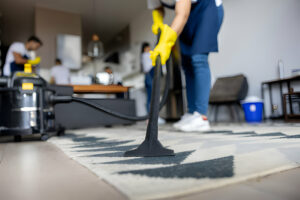
This is the foundation. Regular vacuuming is the most consistent way to reduce allergen build up between deeper cleans. A vacuum with a sealed system and HEPA filtration can help capture fine particles rather than blowing them back into the room. Technique matters as much as the machine. Slow overlapping passes remove more material than quick surface cleaning.

For homes with asthma, vacuuming is often most effective when done:
- At least twice weekly in main living areas
- More often in bedrooms if symptoms are worse at night
- After high pollen days or busy indoor activity
- With extra attention to edges, under beds, and around upholstered furniture
If vacuuming stirs symptoms, try having the person with asthma out of the room during and shortly after cleaning. Some households prefer vacuuming when windows can be opened for ventilation, unless outdoor pollen is very high that day.
Hot water extraction when performed correctly
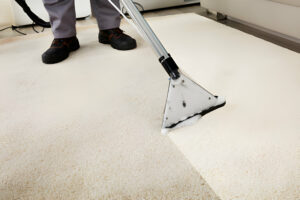
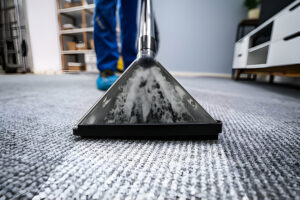
Professional hot water extraction, often called steam cleaning, can be very effective for removing embedded soil, dust mite allergens, and residues when done properly. The key is not the name but the process. Effective extraction uses appropriate cleaning agents, agitation where needed, strong recovery, and fast drying. The goal is to rinse and remove contaminants, not soak the carpet.
When this method helps most:
- There is deep soil that vacuuming alone cannot remove
- Dust mite allergen reduction is a priority
- Pet related contamination needs flushing from fibres
- Low residue cleaning products are used
- Drying time is controlled with airflow and extraction power
What causes problems is over wet cleaning, poor extraction, or excessive detergent. Damp backing and underlay can lead to odour, microbial growth, and prolonged irritation. In humid Sydney conditions, drying management is essential.
Low moisture encapsulation for maintenance cleaning
Low moisture methods can be useful in between deeper cleans, especially in homes where quick drying is important. These systems use less water and can reduce downtime. They may not flush out deeply embedded allergens as thoroughly as a well performed extraction clean, but they can help maintain appearance and reduce surface soil without creating a moisture problem.
This can be a practical option for apartments, busy family homes, or periods of humid weather when long drying times are less desirable.
Dry compound cleaning in moisture sensitive situations
Dry compound methods use absorbent material worked into the carpet and then vacuumed out. This can be appropriate where moisture must be kept to a minimum, though effectiveness depends on the equipment, product, and operator skill. It may suit some wool carpets or settings where immediate use is needed. However, it should still be followed by strong vacuuming to remove residues fully.
What tends to make asthma triggers worse
Some carpet cleaning practices create more problems than they solve. These are common issues that can increase irritation or leave a carpet less healthy after cleaning.
Over wet carpet cleaning

Too much water is one of the biggest risks. If the carpet, backing, or underlay remains damp for too long, mould growth becomes more likely. This is especially important in rooms with limited airflow, shaded areas, or pre existing moisture issues.
Strong fragrance and deodorising powders
Perfumed products may make a room smell clean, but they can be irritating for people with asthma. Powder deodorisers can also leave fine residues in carpet that become airborne later. A neutral, residue controlled approach is usually better.
Shampoo methods that leave sticky residue
Older or poorly executed shampoo techniques can leave detergent behind. That residue can attract soil faster, trap particles, and contribute to ongoing irritation. The carpet may look bright for a short time but become dirty again quickly.
Infrequent vacuuming after professional cleaning
Even after a deep clean, allergens begin accumulating again. Without routine maintenance, the benefit fades. A professional clean is not a substitute for regular HEPA vacuuming.
Ignoring moisture sources in the room
Cleaning the carpet without fixing leaks, condensation, or poor ventilation only addresses part of the problem. If the room remains damp, mould and dust mite conditions remain favourable.
How often should carpets be cleaned in Sydney homes with asthma?
There is no single schedule that suits every household, but asthma sensitive homes usually need a more proactive routine than average. The right frequency depends on occupancy, pets, outdoor exposure, and symptom patterns.
A practical baseline schedule
- Vacuum high use areas 2 to 3 times per week with a HEPA filtered vacuum
- Vacuum bedrooms at least weekly, more often if symptoms worsen at night
- Spot clean spills immediately to prevent mould and residue
- Arrange deeper professional cleaning every 6 to 12 months depending on conditions
When more frequent cleaning may help
- There are indoor pets
- Someone in the home has poorly controlled asthma
- The home is near busy roads, construction, or high pollen areas
- Young children spend a lot of time on the floor
- There has been recent illness, smoke exposure, or renovation dust
The guide to indoor air quality from the US Environmental Protection Agency explains how indoor pollutants can build up and why source control, ventilation, and cleaning all matter together. Carpet care works best when it is part of that broader indoor air plan.
Choosing asthma friendlier carpet cleaning products
The product used on the carpet matters almost as much as the method. A good result for an asthma sensitive home is not a heavily scented carpet. It is a carpet that is clean, low in residue, and dry quickly.
Look for these qualities
- Low odour or fragrance free formulation
- Low residue chemistry
- No unnecessary deodorisers or masking scents
- Compatibility with thorough extraction or removal
- Clear instructions for safe use and drying
Be cautious with these product types
- Aerosol fresheners
- Powder carpet deodorisers
- High foam shampoos
- Products with strong perfume
- DIY mixtures that can damage fibres or leave sticky residue
For stain treatment, simpler is often better. Blotting with water or a suitable low residue spot cleaner is generally safer than repeated applications of fragranced products. Oversaturating a stain can push contamination deeper into the carpet and underlay.
Why drying speed matters more than many homeowners realise
In asthma sensitive homes, drying is not a minor detail. It is central to whether a cleaning method helps or harms. A carpet that stays damp too long can support mould growth, retain odours, and hold onto irritants rather than releasing them.
To improve drying after cleaning:
- Use professional methods with strong extraction
- Increase airflow with fans if appropriate
- Run air conditioning or dehumidification in humid weather
- Avoid walking on damp carpet with outdoor shoes
- Keep children and pets off the area until dry
- Address any room ventilation problems before cleaning day
In Sydney, summer humidity and rainy periods can slow drying. Ground floor rooms, shaded southern aspects, and apartments with limited cross ventilation may need extra planning. If a provider cannot explain how they will minimise moisture and support fast drying, that is worth questioning.
Special considerations for bedrooms, nurseries, and family rooms
Not every room has the same asthma risk profile. Bedrooms deserve special attention because people spend long periods there and nighttime symptoms can be strongly affected by allergen exposure.
Bedrooms
Vacuum slowly and regularly, including under the bed and around skirting boards. Keep clutter low so dust does not accumulate. If possible, combine carpet care with mattress protection, regular washing of bedding in hot water where suitable, and humidity control.
Nurseries and children’s rooms
Children often have more floor contact than adults. That makes low residue cleaning especially important. Avoid scented products and ensure complete drying before play resumes. Soft toys stored on the floor can also collect dust and should be cleaned regularly.
Family rooms and play areas
These spaces often carry the highest load of food spills, pet contact, and foot traffic. More frequent vacuuming and prompt spot cleaning can prevent contaminants from becoming embedded. Entry mats at doors can also reduce the amount of outdoor material reaching the carpet.
Pets, pollen, and Sydney’s seasonal patterns
Asthma triggers are not static throughout the year. Sydney households often notice changes with season, weather, and lifestyle patterns.
During humid periods
Dust mites and mould risk can rise. Focus on humidity control, fast drying, and frequent vacuuming. Watch for musty odours, especially in less used rooms.

During pollen season
Reduce the amount brought inside by removing shoes at the door, wiping pets after outdoor time, and vacuuming entry zones more often. If outdoor pollen counts are high, airing rooms should be balanced with the need to keep pollen out.
With indoor pets year round
Brush pets outside where possible, wash pet bedding often, and vacuum upholstery as well as carpet. Carpet cleaning alone will not control pet allergens if soft furnishings are ignored.
How to assess whether your current carpet cleaning routine is helping
Because asthma symptoms can have multiple causes, it helps to look for patterns rather than expecting one cleaning session to solve everything. Signs that your carpet care routine may be helping include:
- Less dust odour after vacuuming
- Reduced visible dust around skirting boards and under furniture
- Fewer nighttime symptoms in carpeted bedrooms
- Less sneezing or coughing during floor play or cleaning
- No lingering damp smell after professional cleaning
Signs the routine may need improvement include:
- Symptoms worsen during or after vacuuming
- The carpet smells musty after cleaning
- Stains return quickly because of residue wicking
- The carpet feels damp for too long
- Dust builds up again very quickly despite cleaning
If symptoms remain difficult to control, it may be worth reviewing the wider environment. Curtains, upholstery, mattresses, air filters, moisture sources, and cleaning chemicals can all contribute. Carpet is important, but it is one part of the indoor exposure picture.
Questions to ask before booking a professional carpet clean
If someone in your home has asthma, it is reasonable to ask detailed questions. The best providers should be able to explain their process clearly.
- What cleaning method do you recommend for this carpet and why?
- How do you minimise moisture and speed up drying?
- What products do you use, and are they low odour or low residue?
- Do you use strong extraction to remove solution from the carpet?
- How long should the carpet take to dry in current weather conditions?
- Can heavily soiled or pet affected areas be treated without strong fragrance?
The goal is not to find a magical asthma cure in a cleaning service. It is to choose a process that removes contaminants effectively without introducing new irritants.
Simple habits that support cleaner carpets between deep cleans
Daily and weekly habits often matter more than occasional intensive cleaning. Small changes can reduce what enters the carpet and make maintenance easier.
- Leave shoes at the door
- Use quality entry mats inside and outside
- Vacuum slowly, not just
Need help with Carpet Cleaning for Sydney Homes With Asthma What Actually Helps Reduce Triggers?
Get A Free Quote TodayNeed help with Carpet Cleaning for Sydney Homes With Asthma What Actually Helps Reduce Triggers? Get A Free Quote Today