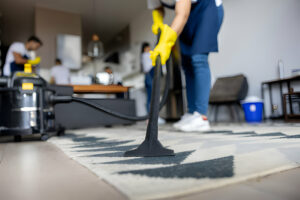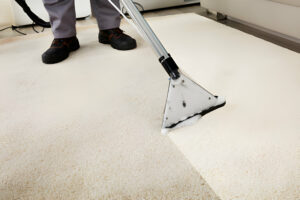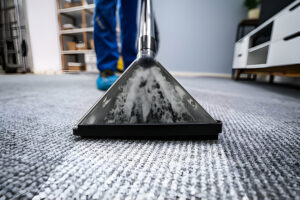

Aged care facilities and medical waiting rooms in Sydney have a very different cleaning profile from standard offices, retail shops, or hospitality venues. These environments are used by older adults, people with chronic conditions, families with young children, and visitors moving in and out throughout the day. Soft surfaces such as carpet and upholstered seating can quietly collect soil, allergens, spills, body oils, and odours, all while shaping the first impression people have of the space.
For business owners, facility managers, practice managers, and operators, carpet and upholstery cleaning is not only about appearance. It is tied to hygiene expectations, indoor air quality, slip risk management, asset longevity, resident and patient comfort, and day to day operational continuity. In healthcare-adjacent settings, getting the cleaning approach right means understanding the materials in the room, the needs of vulnerable occupants, and the importance of safe, low disruption maintenance.
Why soft surface cleaning matters more in sensitive care environments
In a typical commercial space, dirty carpet may be seen mostly as a cosmetic issue. In aged care and medical waiting areas, the stakes are higher. These spaces often serve people with reduced immunity, respiratory sensitivities, mobility limitations, and increased susceptibility to infection or irritation. While carpets and upholstery are not automatically unsafe, they do require a structured maintenance plan that goes beyond occasional spot treatment.
Soft furnishings act like filters. They trap dust, fine particles, pollen, skin cells, crumbs, lint, and tracked-in soil. Upholstered waiting chairs and lounge seating also absorb perspiration, oils, food residue, and accidental spills. Over time, this build-up can affect odour, appearance, and comfort, and may contribute to poorer indoor environmental quality if left unmanaged.
There is also a perception issue. Families choosing an aged care provider or patients entering a clinic often make quick judgments based on cleanliness. Stained chairs, musty odours, or visibly worn carpet can undermine confidence, even if the clinical care is excellent. Clean, fresh-looking interiors support trust and communicate professionalism, care, and attention to detail.
Understanding the unique demands of aged care and medical waiting rooms
Sydney businesses operating in aged care and healthcare-adjacent environments need to account for a combination of factors that make cleaning more complex than in many other commercial premises.
High foot traffic and constant occupancy
Waiting rooms may experience a steady stream of patients from early morning to late afternoon. Aged care common areas can be in near-constant use by residents, staff, allied health providers, and visitors. This means carpets and upholstery rarely get long idle periods, which can make drying times and cleaning logistics more challenging.
Greater risk of spills and biological contamination

Soft surfaces in these settings may be exposed to tea and coffee spills, food crumbs, medication residue, incontinence incidents, vomit, blood, and other bodily fluids. Not every incident requires full restoration, but every incident does require a clear response process. Spot treatment alone is often not enough if contamination penetrates deeply into fibres or cushioning.
Mobility aids and equipment traffic
Wheelchairs, walkers, mobility scooters, and trolleys place different wear patterns on carpet than standard foot traffic. Repeated turning movements can crush pile in specific areas, while wheels can track in moisture and outdoor debris during wet weather. Upholstered arms and seat edges may also experience more pressure from assisted transfers.
Noise and comfort considerations
Carpet and upholstery are often chosen in these environments because they soften acoustics and make spaces feel warmer and less institutional. Hard surfaces can be easier to wipe down, but they may increase noise and reduce comfort. Where soft finishes are part of the design, maintenance becomes the key to preserving both hygiene and ambience.
Vulnerable occupants
Older adults and patients with asthma, allergies, frailty, or compromised immune systems may be more affected by dust, fragrance, chemical residues, and damp conditions. This makes product selection, extraction quality, and ventilation especially important.
Common contaminants found in carpet and upholstery
Businesses often underestimate what accumulates in soft surfaces between visible stains. A proper cleaning strategy begins with understanding what is actually being removed.
Dry particulate soil
This includes dust, sand, grit, textile fibres, dead skin cells, and outdoor particles brought in on shoes and wheels. Fine grit is one of the biggest causes of premature carpet wear because it cuts against fibres with repeated foot traffic.
Organic matter
Food particles, beverage sugars, body oils, sweat, and skin flakes can become embedded in both carpet and upholstered furniture. These materials contribute to odours and can support microbial growth if moisture is introduced.
Moisture-related residues
Rainwater tracked indoors, drink spills, cleaning overspray, and high humidity can all leave materials damp for too long if not managed properly. Prolonged dampness increases the risk of musty smells and can damage backing, underlay, or internal upholstery padding.
Allergens and irritants
Pollen, dust mite matter, and airborne particles can settle into fibres. According to the National Institute of Environmental Health Sciences information on indoor allergens, indoor allergen exposure can be an important consideration in sensitive populations. While professional cleaning is not a cure-all, it can be part of a broader indoor hygiene strategy.
Pathogen concerns
In medical and care environments, any surface can become part of a contamination pathway if incidents are not handled correctly. Soft surfaces require methods suited to the material and the nature of the contamination. Cleaning protocols should align with broader infection prevention procedures established by the facility.
Carpet versus upholstery: why they need different treatment plans
It is easy to group carpet and upholstered seating together, but they behave differently and often require different chemistry, equipment, and drying controls.

Carpet cleaning considerations
Commercial carpets in waiting rooms and aged care facilities may be low-pile broadloom, carpet tiles, or specialty healthcare-grade materials. Each construction responds differently to agitation, moisture, and extraction. Carpet tiles, for example, may allow for individual tile replacement in heavily affected zones, while broadloom requires a more continuous maintenance approach.
Traffic lanes near reception, corridors, and entrances usually need more frequent attention than corners or administrative areas. A one-size-fits-all schedule often leads to overcleaning in some places and neglect in others.
Upholstery cleaning considerations
Waiting room chairs, resident lounge seating, and visitor sofas can be made from woven fabric, vinyl, leather-look materials, or mixed-fibre blends. Fabric upholstery can hold odours and absorb spills more readily than many hard-coated surfaces, while some specialty healthcare fabrics have specific manufacturer instructions for cleaning and disinfection.
Seat cushions, armrests, head areas, and front edges usually carry the heaviest soil load. In aged care settings, chairs with wings, piping, tufting, or textured fabrics can trap more debris and require more detailed hand work.
Choosing cleaning methods that suit healthcare-adjacent spaces
Not every professional cleaning method is equally suitable for every aged care or medical waiting room. The best approach depends on fibre type, soiling level, occupancy patterns, and drying constraints.
Hot water extraction
Often referred to as steam cleaning, hot water extraction is widely used for deep carpet cleaning. It can be highly effective when performed correctly, with appropriate pre-treatment, controlled moisture, and strong extraction. In sensitive environments, the key issue is not only cleaning power but also how quickly the carpet can be returned to a dry, safe state.
Done well, hot water extraction removes embedded soil and residues effectively. Done poorly, it can leave carpets too wet, attract rapid resoiling, or create slip hazards during the drying period. For healthcare-adjacent premises, technician skill matters as much as the method itself.
Low-moisture encapsulation
Encapsulation cleaning uses a low-moisture detergent that surrounds soil particles so they can be removed through post-cleaning vacuuming. This method is often valued in commercial environments because it offers faster drying and less disruption. It can work well for routine maintenance in moderate-soil areas, especially where downtime is limited.
However, encapsulation is not always the right answer for heavy contamination, odour issues, or biological incidents. It is best viewed as one tool within a broader maintenance program.
Bonnet or pad cleaning
This method can improve the appearance of surface soil quickly, but it is generally more of a maintenance or interim solution than a full restorative clean. In high-sensitivity settings, relying on surface-only methods too often may leave deeper residues behind.
Specialist upholstery extraction
Upholstery cleaning usually involves lower moisture levels, fabric-specific chemistry, and careful testing for colourfastness and shrinkage risk. Delicate or structured seating may require hand tools and controlled drying rather than aggressive wet cleaning.
Protective treatments

In some cases, stain protection can help soft surfaces resist spills and extend appearance life. Whether this is appropriate depends on the material, the facility’s cleaning philosophy, and any chemical sensitivity concerns. It should never be applied automatically without confirming compatibility and understanding what the product does and does not achieve.
Drying time is not a minor detail
In aged care and medical waiting rooms, drying time affects safety, comfort, and service continuity. Wet or damp carpet can increase slip risk, especially for older adults using mobility aids. Damp upholstery can also be uncomfortable, unusable, or prone to odour if not dried rapidly.
Businesses should ask practical questions before any job is booked. How long will the area be out of use? What ventilation is available? Will air movers be used? Can sections be cleaned in stages? Is after-hours work possible? What happens if rain or humidity slows the drying process?
The CDC guidance on environmental infection control highlights the importance of environmental hygiene and moisture control in healthcare-related settings. While not a cleaning manual for carpets, it reinforces the broader principle that damp environments can create avoidable problems.
Scheduling strategies that reduce disruption
One of the biggest operational concerns for Sydney businesses is how to clean thoroughly without interrupting care or patient flow. The answer usually lies in planning, zoning, and frequency.
After-hours and low-traffic windows
Early evening, overnight, or weekend cleaning may be the best option for clinics and busy waiting rooms. In aged care, there may still be 24-hour occupancy, but common rooms can often be cleaned in rotation when resident activity is lower.
Zone-based cleaning
Instead of cleaning an entire facility at once, divide the site into manageable zones. This keeps some seating and walkways available while other areas are being serviced. It also allows different frequencies for different risk and traffic levels.
Seasonal adjustments
Sydney weather affects cleaning needs. Wet seasons can increase soil and moisture tracked indoors, while spring can bring more pollen. During periods of increased respiratory illness or higher occupancy, more frequent upholstery and carpet maintenance may be justified.
Infection control and incident response
It is important to be realistic about what routine carpet and upholstery cleaning can and cannot do. General maintenance cleaning improves hygiene and appearance, but contamination incidents require a more specific response. Businesses should have a documented process for spills and body fluid events that identifies who isolates the area, who assesses the material, what PPE is needed, whether the item can be safely cleaned, and when replacement is the better option.
For example, a small tea spill on a waiting room chair is very different from an incontinence event on a lounge cushion in an aged care common area. The first may need prompt spot treatment and drying. The second may involve deeper contamination of foam and seams, making full decontamination difficult or impractical. In some cases, removable covers or modular furniture design can make sanitation easier and reduce downtime.
Facilities should also ensure that cleaning contractors understand site-specific infection prevention expectations. This includes entry procedures, restricted areas, waste handling, incident reporting, and escalation protocols.
Chemical safety, odours, and occupant sensitivity
A strong fragrance is not the same as cleanliness. In fact, heavily perfumed products can create discomfort for older adults, patients with nausea, people with asthma, or those sensitive to scents. Sydney businesses should prioritise cleaning solutions that are effective, suitable for the material, and low in unnecessary fragrance where possible.
Other chemical considerations include residue, pH balance, fibre compatibility, and ventilation needs. Residues left in carpet can attract more soil and shorten the period before the next clean is needed. On upholstery, unsuitable products can cause browning, stiffening, ring marks, or damage to protective finishes.
Always consider the full occupant profile. Aged care residents may spend extended periods in close contact with seating. Patients in waiting rooms may be anxious, unwell, or accompanied by children. Cleaning should support comfort, not add another stressor.
The importance of routine vacuuming between deep cleans
Professional deep cleaning gets a lot of attention, but routine vacuuming is the foundation of carpet care. In many facilities, the biggest missed opportunity is not the annual extraction clean but the quality and frequency of day-to-day soil removal.
High-filtration vacuuming removes dry particulate matter before it becomes embedded and abrasive. Entrance areas, corridors, reception zones, and spaces around seating should usually be vacuumed more often than back-office areas. Upholstered furniture also benefits from regular vacuuming, especially in seams, crevices, and under cushions where applicable.
Without good routine vacuuming, even the best restorative cleaning program will struggle to maintain results. Deep cleaning should complement daily maintenance, not compensate for its absence.
How to build a practical maintenance schedule
A smart schedule is based on risk, traffic, and usage rather than a fixed calendar alone. Here is a practical framework Sydney businesses can use.
Daily or near-daily tasks
Vacuum high-traffic carpeted zones, inspect for spills, spot clean fresh marks, and check upholstered seating for crumbs, stains, and odours.
Weekly tasks
Perform more detailed vacuuming of edges and under furniture, inspect entrance matting performance, rotate movable seating if wear patterns are developing, and review any recurring stain locations.
Monthly or periodic tasks
Use interim carpet maintenance methods in traffic lanes if needed, conduct upholstery touch-up cleaning in heavily used chairs, and assess whether any furniture requires repair or replacement due to split seams, compressed padding, or damaged coverings.
Quarterly to biannual deep cleaning
Many waiting rooms and common areas benefit from scheduled professional carpet and upholstery cleaning every few months, though exact timing depends on use levels and incident frequency. High-traffic medical spaces may need more frequent attention than a small consulting suite.
Annual review
Review stain patterns, complaint history, odour issues, drying performance, and budget against outcomes. This is the time to decide whether materials, layouts, or frequencies should change.

Material selection affects future cleaning costs
For businesses fitting out or refurbishing aged care lounges or medical waiting rooms, cleaning starts with design choices. Some materials are far easier to maintain than others.
Carpet selection tips
Choose commercial-grade carpet suited to heavy traffic. Patterned or flecked designs can help disguise minor soiling between cleans, but they should not be used to hide poor maintenance. Consider carpet tiles in areas where targeted replacement may be helpful. Look for products with documented maintenance guidance and proven performance in commercial settings.
Upholstery selection tips
Prioritise durable fabrics or healthcare-suitable coverings that balance cleanability with comfort. Avoid highly textured weaves in spaces prone to food spills or contamination incidents. Consider moisture barriers, removable covers where appropriate, and chair designs that allow access for detailed cleaning around seams and supports.
Furniture layout matters too
Tightly packed seating can make cleaning difficult and lead to neglected areas under and behind furniture. A layout that allows access improves both routine maintenance and emergency response.
What to ask before hiring a commercial cleaning provider
Not all commercial cleaners are equally prepared for aged care and medical waiting room work. Before engaging a provider, Sydney businesses should ask detailed questions.
Experience and training
Have they worked in aged care, clinics, specialist practices, or healthcare-adjacent environments? Do technicians understand contamination protocols, vulnerable occupants, and low-disruption work practices?
Method selection
Can they explain why they recommend extraction, low-moisture cleaning, or another method for your specific carpet and seating types? Are they willing to adapt by zone rather than apply the same method everywhere?
Drying and safety controls
What are the expected drying times? Will they use air movers? How will they manage slip hazards, signage, and access restrictions?
Product transparency
Can they identify the products used, explain any fragrance level, and confirm suitability for the materials and occupant profile?
Stain and odour limitations
A trustworthy provider should be honest about what can be improved, what may remain permanent, and when replacement is more sensible than repeated cleaning attempts.
Documentation and communication
Can they provide service records, incident notes, scope details, and recommendations for future maintenance? Good documentation is particularly helpful in regulated or highly scrutinised environments.
Budgeting for cleaning as asset protection, not just presentation
When budgets are tight, carpet and upholstery cleaning can be pushed down the priority list because it appears discretionary. In reality, deferred maintenance often costs more. Soil abrasion shortens carpet life. Untreated stains become permanent. Repeated moisture incidents can damage backing or internal cushioning. Odours can trigger complaints and reduce confidence in the facility.
Viewed properly, professional cleaning is part of asset management. It helps extend replacement cycles
Need help with What Sydney Businesses Should Know About Carpet and Upholstery Cleaning for Aged Care and Medical Waiting Rooms?
Get A Free Quote Today
Need help with What Sydney Businesses Should Know About Carpet and Upholstery Cleaning for Aged Care and Medical Waiting Rooms? Get A Free Quote Today