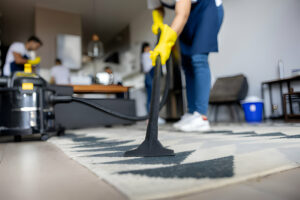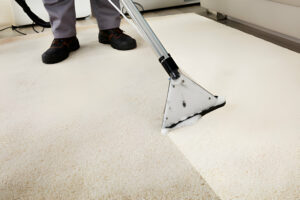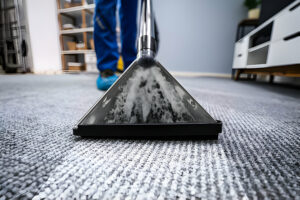

Spills happen fast, but carpet damage often happens slowly. In Sydney homes, a simple splash of coffee, muddy footprints after summer rain, or a pet accident can turn into a stubborn stain when the wrong cleaning method is used. Many people scrub too hard, soak the carpet, or mix random products from under the sink, only to spread the stain further or damage the carpet fibres.
The good news is that many common carpet stains can be treated successfully at home if you act quickly, use the right technique, and understand what not to do. This guide explains how to remove everyday carpet stains safely, when to stop and call a professional, and how to protect your carpet from permanent marks, odours, and shrinkage in Sydney conditions.
Start with the right stain response, not the strongest product
When something lands on carpet, the first few minutes matter more than the brand of cleaner you use. The goal is to remove as much of the spill as possible before it bonds with the fibres, backing, or underlay. Strong chemicals are rarely the first answer. In many cases, plain water, a clean white cloth, and patience are more effective than aggressive scrubbing.
Before treating any stain, follow these basic steps:
- Blot, do not rub. Press firmly with a clean white cloth or paper towel to lift moisture and residue.
- Work from the outside of the stain toward the centre to avoid spreading.
- Test any cleaning solution on a hidden area first, such as inside a wardrobe edge or under furniture.
- Use small amounts of liquid. Overwetting can push the stain deeper and damage the backing.
- Avoid coloured cloths or printed paper towels that may transfer dye.
- Dry the area well after treatment using towels, airflow, and a fan if needed.
It also helps to know your carpet type. Wool carpets are common in higher end Sydney homes and need gentler treatment than many synthetic carpets. Bleach, high alkalinity, and excessive heat can harm wool. Synthetic fibres like nylon and polyester are generally more stain resistant, but they can still trap oily residues and develop wick back if oversaturated.
For general care principles, the carpet stain removal guidance from Utah State University Extension offers a useful reference for matching methods to stain types.
Why carpet stains get worse in Sydney homes

Sydney homes face a mix of conditions that can complicate stain removal. Coastal humidity can slow drying times, especially in apartments or homes with limited airflow. During wet weather, mud and organic debris are tracked inside more often. In family homes, open plan living means food, drinks, pets, and foot traffic all meet on the same carpeted surfaces.
Several factors make stains more likely to set or return:
Humidity and slow drying
If a carpet stays damp too long after spot cleaning, the stain may wick back from deeper layers to the surface. This is common when too much water is used. Damp carpet can also develop musty smells or microbial growth.
Heat and sunlight
Some stains oxidise or become more visible with heat. Using very hot water without checking the fibre type can set protein based stains. Direct sunlight may also change how a stain appears over time, especially on lighter carpets.
DIY product misuse
Dishwashing liquid, laundry detergent, vinegar, bicarb, and supermarket sprays are often used incorrectly. Too much detergent leaves a sticky residue that attracts more soil. Vinegar can help in some cases, but it is not a cure all and can be unsuitable for certain fibres or previous treatments.
Scrubbing and brushing
Hard scrubbing distorts carpet pile, creates fuzzing, and pushes the stain wider. On loop pile carpets, aggressive action can damage the structure and make the area look worn even after the stain is gone.
The essential stain removal kit every home should have
You do not need a cupboard full of products. A simple kit can handle many emergencies without increasing the risk of damage.
- White microfibre cloths or plain white cotton towels
- Paper towels for initial blotting
- Spray bottle with plain cold water
- pH neutral carpet spot cleaner suitable for your carpet type
- Clear dishwashing liquid for mild solution use
- Measuring spoon for accurate dilution
- Small bowl for mixing solution
- Soft spoon or dull knife for lifting solids
- Vacuum cleaner
- Fan for drying treated areas
If you keep a commercial spot cleaner, choose one designed for carpets, follow the label exactly, and never mix it with other chemicals. For households with children or pets, it is worth checking basic indoor cleaning safety information from trusted public health sources such as the CDC guidance on safe cleaning and disinfecting practices, especially when handling stronger products.
How to remove food and drink stains without setting them deeper
Food and drink stains are among the most common carpet issues in Sydney homes. Coffee in the lounge, red wine during entertaining, juice in bedrooms, and takeaway spills in media rooms are all familiar scenarios. The key is identifying whether the stain is mostly water based, dye based, oily, or protein based.

Coffee and tea
Coffee and tea leave tannin stains that can become yellow or brown if ignored. If milk or sugar is involved, the stain also contains proteins and sticky residue.
What to do:
- Blot up as much liquid as possible.
- Mix a small amount of clear dishwashing liquid with lukewarm water.
- Dab lightly with a cloth, working from the outside inward.
- Blot with plain water to rinse.
- Dry thoroughly with towels and airflow.
What to avoid:
- Pouring water directly onto the carpet
- Using dark cloths
- Scrubbing the centre of the stain
Red wine
Red wine can spread quickly and soak deep into carpet. The biggest mistake is panic pouring salt, soda water, or large amounts of random cleaners onto the spill. These methods often create a larger wet area and make later extraction harder.
What to do:
- Blot immediately with clean towels.
- Apply a small amount of cold water to help dilute only if needed, then blot again.
- Use a carpet stain remover approved for dye based stains if the mark remains.
- Rinse lightly by blotting with water.
- Dry the area well.
If the carpet is wool or a pale natural fibre, be extra cautious. Strong stain removers can strip colour or create a lighter patch.
Soft drink and juice
These spills often contain sugar, dye, and acid. Even if the visible colour disappears, the sticky residue can attract dirt and leave a grey patch later.
Use a mild cleaning solution, blot repeatedly, then rinse lightly and dry. If the drink is brightly coloured, repeat the blotting cycle several times rather than using more product at once.
Chocolate and sauce
These are mixed stains containing oils, proteins, and colour. Start by gently lifting solids with a spoon or dull knife. Do not smear them into the fibres. After removing the bulk, use a mild detergent solution and blot. Oily residues may need a dedicated carpet spot cleaner designed for grease or food stains.
How to handle pet stains and odours safely
Pet accidents are stressful because the problem is not just the visible mark. Urine, vomit, and faeces can soak into the backing and underlay, causing odour, staining, and repeat marking if the scent remains. In warm or humid Sydney conditions, odours can intensify quickly.
Pet urine
Fresh urine is much easier to manage than dried urine. Act quickly.
- Blot thoroughly with paper towels or white cloths.
- Stand on the towel to apply body weight and absorb as much as possible.
- Apply a small amount of cool water, then blot again if needed.
- Use an enzyme based carpet product made for pet urine if suitable for your carpet.
- Allow the product the contact time stated on the label.
- Blot excess moisture and dry fully.

Do not use ammonia based cleaners on urine stains. The smell can encourage pets to return to the same spot. Avoid steam cleaning fresh urine without proper treatment, as heat can set the odour and stain.
Pet vomit
Lift solids carefully first. Blot liquid without rubbing. Because vomit is acidic and may contain dyes or food residue, a mild detergent solution is often the safest first step. If odour remains, an enzyme product may help after the initial cleaning.
Old pet stains
If the area smells worse on humid days or after rain, the contamination may be below the carpet surface. Surface spot cleaning usually will not solve this. Professional treatment may be needed to flush, extract, and treat the underlay or subfloor.
Removing muddy, greasy, and outdoor stains from high traffic areas
Mud, soil, and oily grime are common in Sydney households, especially near entrances, hallways, and family rooms. These stains often look simple but can become permanent if cleaned in the wrong order.
Mud
Wet mud should usually be left to dry first unless there is a large clump that can be lifted easily. Trying to clean wet mud often spreads it deeper and wider.
Best method:
- Let the mud dry completely.
- Vacuum thoroughly to remove loose soil.
- Blot any remaining mark with a mild detergent solution.
- Rinse lightly by blotting with water.
- Dry well.
Grease and oil
Cooking oils, body oils, cosmetics, and takeaway food can leave greasy stains that attract dirt. Water alone usually will not remove them.
Use a carpet safe spot cleaner designed for oily stains. Apply sparingly, blot gently, and avoid oversaturation. If you use too much product and fail to rinse properly, the spot may reappear as a dirt magnet.
Grass and plant matter
These stains can contain natural pigments that cling to fibres. Blot gently with a suitable spot cleaner rather than scrubbing. Repeated light applications are safer than one heavy application.
Blood, makeup, ink, and other difficult stains
Some stains need extra care because the wrong choice can set them permanently or spread pigments through the carpet.
Blood
Always use cold water first. Hot or warm water can set blood because it is a protein based stain.
- Blot with cold water using a white cloth.
- Repeat until transfer slows.
- Use a carpet safe stain remover if needed and if compatible with the fibre.
- Blot dry.
Makeup
Foundation, lipstick, and mascara often combine waxes, oils, and pigments. Remove solids gently first. Then use a suitable carpet spot cleaner for oily cosmetic stains. Work slowly and avoid rubbing pigments into surrounding fibres.
Ink
Ink can be one of the hardest carpet stains to remove. Ballpoint, felt tip, and printer ink all behave differently. Blotting is critical. Some solvents may help, but they can also damage carpet backing, dyes, or finishes if misused. If the ink spot is large or on wool, professional help is often the safer option.
Wax and gum
For gum, harden it first with ice in a plastic bag, then lift carefully. For candle wax, allow it to harden and lift brittle pieces gently. Heat based methods are risky on carpet and can spread residue or damage fibres, so use caution.
Common DIY mistakes that make carpet stains worse
Many permanent carpet problems begin with good intentions. Here are the mistakes professionals see most often:
Using too much water
Oversaturation can push contamination into the underlay, cause browning, encourage mould growth, and lead to recurring stains through wick back.
Scrubbing aggressively
This can fray fibres, distort the pile, and spread the stain. Once the texture changes, the area may still look damaged even if the stain is gone.
Applying undiluted cleaners
More product does not mean better results. Concentrated chemicals can bleach, discolour, or leave sticky residue.
Mixing chemicals
Combining products can create fumes, reduce effectiveness, or damage the carpet. Never improvise with bleach, ammonia, vinegar, or unknown spot removers.
Ignoring the rinse step
Leaving cleaner in the carpet can attract soil and make the spot return. Light rinsing by blotting with water is often essential.
Not drying the carpet properly
Damp carpet can smell, wick stains back to the surface, and develop microbial issues. Use towels, open windows when weather allows, and run a fan.
When to use home methods and when to call a professional
DIY spot cleaning is best for fresh, localised spills when you know what caused the stain and your carpet is in otherwise good condition. Professional help is usually the better choice when:
- The stain is large or has soaked through to the underlay
- The carpet is wool, silk blend, antique, or specialty fibre
- The stain has already been treated unsuccessfully several times
- There is strong odour, especially from pet urine
- The stain is from ink, paint, nail polish, or unknown substances
- You notice browning, shrinkage, or recurring wick back
Professionals have access to extraction equipment, targeted stain treatments, moisture control, and fibre specific methods that are difficult to replicate at home. Calling early can be cheaper than replacing a damaged section later.

How to protect carpet after stain removal
Once the stain is gone, the job is not quite finished. The treated area may be more vulnerable to resoiling if residue remains or if the pile has been flattened during cleaning.
Vacuum after drying
When the carpet is fully dry, vacuum the area to lift the pile and remove any remaining particles.
Check for wick back
Inspect the spot again later that day and the next morning. If the stain returns, it may be coming from deeper in the carpet. Repeat blotting lightly or seek professional extraction.
Restore airflow
Keep the room ventilated until the carpet is fully dry. In humid weather, air conditioning or a dehumidifier can help.
Use mats and shoe control
Entry mats, no shoes policies, and quick response to spills all reduce future staining. In homes with children or pets, storing your stain kit in an easy to reach place makes a real difference.
Prevention tips for busy Sydney households
The easiest stain to remove is the one that never sets. Prevention is not just about being careful. It is about making stains easier to treat when they do happen.
- Vacuum high traffic areas frequently so dry soil does not grind into fibres.
- Use quality mats at entrances, especially during wet weather.
- Apply carpet protection treatments where appropriate after professional cleaning.
- Keep food and drinks to lower risk zones if possible.
- Trim pet nails and clean paws after outdoor time.
- Address minor spills immediately instead of waiting until later.
Regular professional cleaning also helps remove residues and deep soil that make spot cleaning less effective over time. A carpet that is already loaded with soil and detergent residue will stain and resoil more easily than a well maintained one.
Stain specific quick reference guide
Here is a practical at a glance guide for common carpet stains:
Coffee
Blot, use mild detergent solution, blot rinse, dry.
Red wine
Blot fast, dilute lightly if needed, use approved stain remover, dry thoroughly.
Mud
Let dry, vacuum, then spot clean remaining mark.
Pet urine
Blot deeply, treat with enzyme product if suitable, avoid ammonia, dry completely.
Blood
Use cold water only at first, blot, repeat, avoid heat.
Grease
Use carpet safe grease treatment sparingly, blot, rinse lightly, dry.
Ink
Blot only, avoid spreading, consider professional help early.
Takeaways
Removing carpet stains successfully is less about force and more about method. In Sydney homes, where humidity,
Need help with How to Remove Common Carpet Stains in Sydney Homes Without Making Them Worse?
Get A Free Quote Today
Need help with How to Remove Common Carpet Stains in Sydney Homes Without Making Them Worse? Get A Free Quote Today