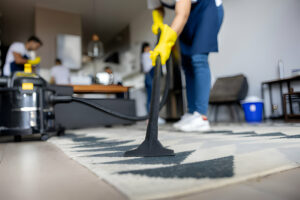

Renovating a home can transform tired rooms into brighter, more functional spaces, but the work rarely ends when the builders leave. Fine construction dust, paint overspray, adhesive residue, and airborne debris often settle deep into soft furnishings, leaving carpets and upholstery looking dull and feeling gritty even after a basic tidy-up. Many Sydney homeowners are surprised to learn that post renovation mess is not only visible on hard surfaces. It also hides in fibres, under furniture, and inside fabrics that act like filters during the building process.
Professional post renovation carpet and upholstery cleaning is often the final step that makes a home feel truly finished, healthy, and ready to enjoy. Whether the project involved a kitchen upgrade, a bathroom remodel, a full extension, or sanding and repainting throughout the house, understanding how renovation residue affects soft surfaces can help homeowners protect their investment, improve indoor comfort, and avoid permanent damage.
Why soft surfaces need special attention after renovation work
After a renovation, most people focus on wiping benches, mopping floors, and cleaning windows. Those tasks matter, but carpets, rugs, lounges, dining chairs, mattresses, and fabric bedheads need equal attention. During construction and finishing work, tiny particles become airborne and eventually settle everywhere. Unlike tiles or timber, fabric and carpet fibres trap these particles below the surface, where ordinary vacuuming may not fully remove them.
Common renovation contaminants include:
- Plaster and gyprock dust
- Sawdust from cutting timber or cabinetry
- Silica-containing dust from masonry, concrete, tiles, and engineered stone
- Paint mist and fine overspray
- Adhesive particles and sealant residue
- Foot traffic soil brought in by tradies
- Pet hair and everyday household dust stirred up during the project
Some of this debris is merely annoying, but some can be abrasive. Fine particles can wear down carpet fibres when walked into the pile. Dust can also settle into upholstery seams and padding, making sofas and chairs feel dirty soon after the renovation appears complete. According to crystalline silica and silica dust guidance, very fine dust generated during certain building activities can present health concerns, which highlights why proper cleaning is more than a cosmetic step.
What makes post renovation cleaning different from routine carpet cleaning

Routine carpet and upholstery cleaning usually targets everyday soiling, food spills, pet odours, tracked-in dirt, and general use. Post renovation cleaning is different because the contamination profile is different. Construction dust is finer, more widespread, and often more stubborn than normal household dirt.
There are several reasons this type of cleaning requires a more careful approach:
Fine dust penetrates deeply
Microscopic particles can sink into carpet backing, underlay, and upholstery padding. Surface vacuuming may remove visible residue but leave a significant amount behind.
Improper methods can make the problem worse
Rubbing dusty fabric with a wet cloth can turn powder into muddy streaks. Over-wetting carpets before adequate dry soil removal can create a paste-like residue that is harder to extract.
Some residues are chemically sensitive
Paint flecks, adhesives, and sealants may require fibre-safe spot treatment. Aggressive solvents can damage colour, texture, or protective finishes.
Freshly renovated homes may still have curing materials
Paints, grouts, and sealants can continue off-gassing or shedding particles for days. Timing matters if homeowners want the clean to be effective and long-lasting.
The hidden impact of renovation dust on carpets and upholstery
It is easy to underestimate the effect of dust because the largest mess is often removed quickly. However, the smallest particles are often the most persistent. These can affect a home in several ways.
Reduced indoor air quality
Soft furnishings can repeatedly release trapped dust back into the air when someone walks across a room, sits on a sofa, or fluffs a cushion. This can be especially uncomfortable for children, older adults, and people with allergies, asthma, or respiratory sensitivities. The indoor air quality information from the United States Environmental Protection Agency explains how indoor pollutants can affect comfort and health, which is highly relevant after construction work.
Premature wear
Dust and grit act like sandpaper inside carpet fibres. As people walk over contaminated carpet, the particles grind against the pile, contributing to flattening, dullness, and fibre damage.
Lingering odours
Renovation smells do not only come from paint. Dust, timber residues, adhesives, and moisture from cleaning or curing materials can create a stale smell that settles into fabric.
Visual dullness
Even premium carpets and upholstered furniture can look faded after renovation because a film of residue coats the fibres and reduces their natural texture and colour clarity.
When homeowners in Sydney should schedule cleaning
Timing is one of the most important decisions. Book too early and dust may continue settling after the clean. Wait too long and abrasive soil may become more deeply embedded through regular use.

In most cases, the ideal sequence is:
- Builders complete dusty works such as sanding, cutting, drilling, tiling, and plastering.
- Major debris is removed from the site.
- Hard surfaces, walls, vents, ledges, and joinery receive an initial top-to-bottom builders clean.
- Carpet and upholstery cleaning is performed once airborne dust has significantly reduced.
- Final touch-up cleaning is done if needed before move-in or room reset.
For Sydney homeowners, local conditions also matter. If windows have been left open during renovation, outdoor dust, pollen, and humidity may add to the indoor mess. Coastal areas can also introduce salty air and moisture, while western suburbs may experience hotter, drier conditions that keep dust circulating. If the renovation included painting or sealing, it is wise to ask both the builder and the cleaning technician whether all surfaces have cured enough for safe access and effective cleaning.
Signs your carpet and upholstery need professional post renovation cleaning
Some signs are obvious, while others are subtle. Homeowners should look for the following:
- A fine white or grey film returns shortly after vacuuming
- Carpet feels crunchy, gritty, or rough underfoot
- Sofas release dust when cushions are moved
- Rooms smell dusty, chalky, or chemical-like
- Furniture appears duller than before the renovation
- Allergy symptoms seem worse indoors
- Footprints become visible quickly on carpeted areas
- There are small spots of paint, caulk, grout haze, or adhesive residue
Even if these signs seem minor, early intervention can prevent long-term fibre wear and improve the overall finish of the renovation.
What professional cleaners typically do during a post renovation service
Not every provider uses the same process, but a thorough post renovation carpet and upholstery clean generally involves more than a standard steam clean. A professional service may include several stages.
1. Inspection and fibre identification
Technicians assess carpet type, upholstery fabric, pile direction, level of dust loading, visible staining, and any risks such as loose seams, delicate fibres, or moisture-sensitive materials. Wool carpets, natural fibre rugs, linen blends, and vintage upholstery all require tailored care.
2. Dry soil removal
This is one of the most important steps. High-filtration vacuuming with commercial equipment helps remove as much dry particulate matter as possible before moisture is introduced. In a post renovation setting, this step may be repeated to reduce deeply settled dust.
3. Targeted pre-treatment
Areas affected by adhesive smears, paint specks, heavy traffic soil, or renovation-related spotting may receive specific treatments. The goal is to loosen residue without harming fibres or dyes.
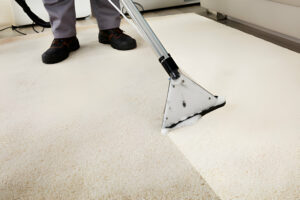
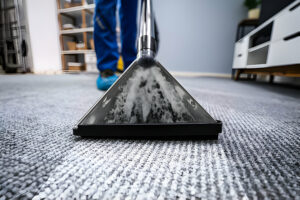
4. Deep extraction cleaning
Hot water extraction is commonly used for many carpets because it flushes out suspended soil and residues. Upholstery may be cleaned with hot water extraction, low-moisture methods, or specialised fabric-safe techniques depending on the material.
5. Spot treatment and detail work

Remaining marks are treated individually. This may include careful work around skirting boards, furniture edges, stair corners, and under removable cushions where dust often accumulates.
6. Grooming and drying support
Carpet grooming can help reset pile and improve appearance. Air movers may be used to speed drying, which is especially helpful in Sydney’s humid periods.
7. Final inspection
A walk-through confirms results, identifies any permanent staining or wear, and provides aftercare advice.
Steam cleaning versus dry cleaning after renovation
Homeowners often ask whether steam cleaning or dry cleaning is best. The answer depends on the carpet or fabric type, the amount of dust, and how quickly the area needs to be used again.
Hot water extraction
Often called steam cleaning, this method is highly effective for flushing out fine particulate matter from many synthetic and wool carpets when performed correctly. It can also be excellent for many upholstered items. The key is proper pre-vacuuming, controlled moisture, and strong extraction.
Low-moisture or dry methods
These can be suitable for delicate fabrics, maintenance cleaning, or situations where rapid drying is a priority. However, if there is significant embedded renovation dust, a method with strong extraction may be more effective.
There is no universal answer. A reputable cleaner should explain why a specific method suits your carpet, rug, or upholstery rather than offering a one-size-fits-all service.
Special considerations for different materials
Wool carpet
Wool is durable and naturally resilient, but it is also sensitive to high alkalinity, over-wetting, and harsh agitation. Post renovation dust can cling tightly to wool fibres, so careful dry soil removal is essential before wet cleaning.
Synthetic carpet
Nylon, polyester, and polypropylene carpets are common in Sydney homes and can often respond well to hot water extraction. Even so, adhesive residues and paint spotting still require caution.
Fabric sofas and armchairs
Upholstery traps dust not only on the surface but also in piping, buttoning, folds, and under cushions. Renovation dust on seating can transfer onto clothing and skin, so thorough cleaning matters.
Mattresses and bedheads
These are often overlooked during renovation cleanup. If nearby sanding or painting occurred, dust can settle into sleeping areas and affect comfort at night.
Rugs
Area rugs may need off-site or specialised cleaning depending on fibre type, backing, dyes, and the extent of contamination. Fine rugs should never be treated as if they were standard wall-to-wall carpet.
Common post renovation stains and residues
Renovation projects can leave behind a surprising variety of marks on soft surfaces. Some of the most common include:
- Paint droplets from brushes or rollers
- Dusty footprints mixed with moisture
- Silicone or caulk transfer
- Wood stain drips
- Rust marks from tools or metal furniture parts
- Glue and adhesive tracking
- Plaster smudges
- Greasy handprints from handling materials

DIY attempts can sometimes set these stains further. Scraping dried paint too aggressively can fray carpet fibres. Using random supermarket sprays can bleach colour or leave sticky residue that attracts more dirt. For this reason, it is often better to identify the substance first and use a controlled treatment plan.
Why DIY cleaning is often not enough
Many homeowners understandably want to save money after a renovation, and a good vacuum plus a hired machine may seem like a reasonable solution. In light cases, basic cleaning can improve appearance, but there are limits.
Household vacuums may not capture the finest particles
Standard domestic machines can struggle with construction dust, especially if filters are not designed for very fine debris.
Rental machines often lack strong extraction
They may add moisture without removing enough soil, leaving carpets damp and residues behind.
Wrong products can cause damage
Using unsuitable detergents on wool, natural fibres, or stain-protected materials can create permanent issues.
Upholstery is easy to over-wet
Too much moisture can lead to water marks, slow drying, odours, or even mould risk in padding if ventilation is poor.
DIY cleaning may be useful for immediate spill control or light surface dust, but deep post renovation restoration usually benefits from commercial-grade equipment and fibre knowledge.
How to choose the right cleaning service in Sydney
Not all carpet cleaners specialise in post renovation work. Homeowners should ask targeted questions before booking.
Ask about post renovation experience
A cleaner who understands construction residue will know the importance of dry particulate removal, detail work, and safe stain treatment.
Check their process
Ask how they handle heavy dust loading before wet cleaning. If they skip over this, that is a red flag.
Confirm fabric and fibre knowledge
They should be able to explain how they approach wool, delicate upholstery, rugs, and mixed-fibre furniture.
Discuss drying times
In Sydney’s humid weather, realistic drying guidance matters. Good airflow and extraction are important.
Ask about spot treatment limits
Some paint, dye, or adhesive damage may be permanent. A trustworthy provider will be honest about what can and cannot be improved.
Look for insurance and professionalism
Clear communication, written quotes, and proper care around newly renovated finishes are all important.
Preparing your home before the cleaners arrive
A bit of preparation can help the cleaning process go smoothly and improve results.
- Wait until major building work is fully finished
- Remove fragile décor and small loose items
- Dust hard surfaces first so debris does not fall onto freshly cleaned carpet later
- Point out any spills, paint spots, or problem areas
- Ensure easy access to power and parking if needed
- Keep pets and children away from work zones during the clean

If furniture is being moved back into place after renovation, consider cleaning before fully resetting the room. This gives technicians better access to edges and high-traffic zones.
Aftercare tips to keep carpets and upholstery clean after renovation
Once the deep clean is complete, a few smart habits can help preserve the result.
Use high-quality vacuuming
Vacuum slowly and methodically over the following weeks, especially if any residual dust continues settling from vents, blinds, or overlooked surfaces.
Change HVAC filters
If your home has ducted air conditioning, replacing or cleaning filters after renovation can reduce recirculated dust.
Wipe surfaces top to bottom
Dust from shelves, skirting boards, and light fittings can fall back onto soft surfaces if not addressed.
Use entry mats
Tradies, deliveries, and move-in traffic can quickly re-soil freshly cleaned carpet.
Address spots immediately
If you notice leftover paint flecks or new marks from moving furniture, deal with them carefully and promptly.
Consider protectant treatments where appropriate
In some homes, applying a suitable fabric or carpet protector after cleaning may help with future maintenance. This depends on the fibre and household needs.
Health and comfort benefits for Sydney households
Post renovation carpet and upholstery cleaning is not only about appearance. It can contribute to a more comfortable living environment in practical ways.
Families often notice that rooms feel fresher, less stuffy, and more settled once soft furnishings are properly cleaned. People with allergies may appreciate the reduction in trapped dust. Children who play on carpet and pets that rest on lounges also benefit from cleaner surfaces. In bedrooms, removing dust from carpets, rugs, mattresses, and upholstered bedheads can support a more restful space after the disruption of building work.
For households returning after a major renovation, this final cleaning step can also provide peace of mind. It marks the transition from construction zone to home.
Cost factors homeowners should understand
Pricing varies depending on the size of the property, the number of rooms, the type of upholstery, the level of contamination, access, parking, and whether specialised stain removal is required. Post renovation jobs may cost more than routine cleaning because they often involve extra vacuuming, more detailed inspection, and slower, more careful work.
Homeowners should be cautious of very low quotes that do not account for the complexity of renovation residue. A rushed clean may leave dust behind or create avoidable issues through over-wetting and poor technique. It is usually better to view this service as part of the renovation budget rather than an optional extra.
Mistakes to avoid after your renovation
- Moving furniture onto dusty carpet before it has been cleaned</li
Need help with Post Renovation Carpet and Upholstery Cleaning in Sydney What Homeowners Should Know?
Get A Free Quote TodayNeed help with Post Renovation Carpet and Upholstery Cleaning in Sydney What Homeowners Should Know? Get A Free Quote Today