For many Sydney households, carpets sit at the centre of daily life. They soften hard floors, reduce noise, add warmth in winter, and make bedrooms and living spaces feel more comfortable. But they also collect dust, tracked-in soil, food spills, pet hair, moisture, and allergens far more quickly than most people realise. That is why the question of whether a DIY carpet cleaning machine is worth buying or hiring comes up so often.
The answer is not a simple yes or no. In some homes, a DIY machine can be a practical tool for keeping carpets looking decent between deeper cleans. In others, it can lead to disappointing results, damp carpets, recurring stains, and unnecessary expense. To decide properly, it helps to look at Sydney conditions, carpet types, household habits, machine limitations, and the real cost of doing the job yourself.
What actually builds up in household carpets over time
At a glance, a carpet can look fairly clean while holding a surprising amount of embedded grime. Fibres trap dry soil from shoes, tiny particles from open windows, pollen, food crumbs, body oils, pet dander, and moisture from spills or humid air. In a city like Sydney, where homes can face a mix of coastal moisture, urban dust, garden debris, and heavy foot traffic, carpets often carry more contamination than their appearance suggests.
This matters because carpet soiling is not only about looks. Fine grit acts like sandpaper against carpet fibres. Every step presses those particles deeper, gradually wearing the pile down. Moisture and residue from spills can also create ideal conditions for odours and microbial growth if not treated correctly. According to indoor air quality guidance from the US Environmental Protection Agency, pollutants can accumulate indoors and affect the overall home environment. Carpets can act as both a filter and a reservoir, which is helpful in one sense, but only if they are maintained properly.
That is one reason routine vacuuming alone is not always enough. Vacuuming removes loose surface debris and some embedded particles, but it does not fully flush out oily residues, dissolved spills, or deeper contamination that bonds to fibres. This is where carpet cleaning machines enter the conversation.
How DIY carpet cleaning machines work
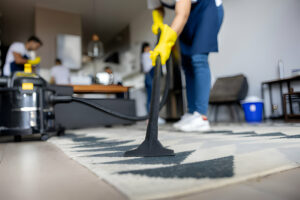
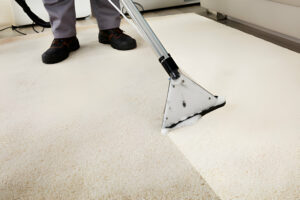
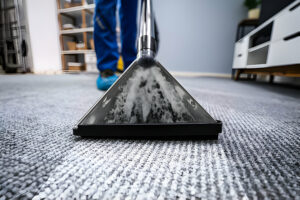
Most DIY carpet cleaning machines use a fairly straightforward process. Clean water, often mixed with detergent, is sprayed into the carpet. Brushes or agitation mechanisms work the solution through the pile. The machine then extracts some of the dirty water back into a recovery tank. In theory, this rinses and lifts dirt from the carpet.

There are two common DIY routes:
1. Hiring a larger rental machine
These units are usually available from supermarkets, hardware stores, or equipment hire businesses. They tend to have larger tanks and more power than small domestic machines. People often use them for whole-house cleaning or end-of-lease preparation.
2. Buying a compact home carpet cleaner
These are marketed for convenience, spot cleaning, and regular maintenance. They can be useful for pet accidents, children’s spills, and small areas, though performance varies widely by brand and model.
While the method sounds simple, actual results depend on water pressure, brush action, suction strength, detergent choice, operator skill, and drying conditions. That is where the gap between DIY expectations and reality often appears.
Why Sydney homes present unique carpet cleaning challenges
Sydney is not one uniform environment. Carpet cleaning needs can differ dramatically between a beachside apartment in the Eastern Suburbs, a family home in the Hills District, a terrace in the Inner West, or a unit near a busy road in Parramatta. Several local factors affect whether DIY cleaning is worthwhile.
Humidity and drying time
Some parts of Sydney experience humid conditions, especially in warmer months or near the coast. Carpets that stay damp for too long can develop musty smells, attract more dirt, or in some cases support mould growth. Effective extraction and airflow matter a lot. A weaker DIY machine may leave too much moisture behind, especially in thicker carpets or underlay.
Sand and outdoor debris
Homes near beaches often deal with fine sand being tracked indoors. Sand is abrasive and can settle deep into carpet fibres. DIY machines may remove some of it, but if the carpet has not been vacuumed thoroughly beforehand, wet cleaning can turn remaining grit into muddy residue.
Urban dust and traffic pollution
Properties near busy roads can collect more fine particulate matter. This can cling to fibres and contribute to dull-looking carpets. Deep extraction is often needed to restore freshness.
Pet-friendly households
Sydney has many pet-owning households. Pet hair, odours, tracked-in dirt, and accidents can create cleaning issues that are more complex than a standard freshen-up. Surface cleaning may improve appearance briefly without fully addressing odour sources deeper in the carpet or underlay.
Apartment living
In apartments, DIY cleaning can be less convenient than it first seems. Transporting a rental machine, filling and emptying tanks, avoiding lift mess, managing noise, and creating enough airflow for drying can all become awkward.
The main benefits of using a DIY carpet cleaning machine
DIY carpet cleaning is popular for good reason. In the right situation, it can offer real advantages.
Lower immediate cost
The biggest attraction is usually price. Hiring a machine or using one you already own can seem cheaper than booking a professional service. For households trying to manage cleaning costs, that can be appealing, especially for small areas or isolated stains.

Convenience for quick response
If a child spills juice or a pet has an accident, having a machine on hand can be useful. Fast action can reduce the chance of permanent staining. A compact machine can also be handy for routine maintenance in high-use zones such as hallways, family rooms, and rugs.
Control over timing
You can clean on your own schedule rather than waiting for an appointment. This is useful for busy households, after a party, before guests arrive, or when preparing a room for use.
Suitable for light maintenance
If your carpets are relatively new, lightly soiled, and vacuumed regularly, a DIY machine may help maintain appearance between more thorough cleans. It can lift surface grime and refresh traffic areas when used correctly.
Where DIY carpet cleaning often falls short
Despite the benefits, there are several reasons DIY machines do not always deliver the results homeowners hope for.
Limited extraction power
Many home units and even some rentals do not remove as much water as people expect. If too much moisture remains in the carpet, drying slows down and residue can wick back to the surface. This is when a carpet looks cleaner at first, then stains seem to reappear over the next day or two.
Overwetting the carpet
A common DIY mistake is using too much water or making too many wet passes. People often think more solution means a deeper clean, but the opposite can happen. Excess moisture can soak the backing and underlay, extending drying times and raising the risk of odours.
Detergent residue
If detergent is not measured properly or rinsed sufficiently, sticky residue can remain in the fibres. That residue attracts new dirt quickly, which means the carpet may become grubby again sooner than expected.
Inconsistent stain treatment
Not all stains respond to the same method. Wine, coffee, pet urine, grease, makeup, mud, and food dyes each behave differently. Using a general machine over a stain without proper pre-treatment can set it further or spread it.
Heavy effort for large areas
Cleaning an entire house with a DIY machine is physically demanding. You need to move furniture, pre-vacuum thoroughly, pre-treat spots, fill and empty tanks repeatedly, and make multiple passes. For larger Sydney homes, the job can take most of a day or more.
Risk of damaging delicate carpets
Some carpets do not respond well to aggressive brushing, excess moisture, or the wrong cleaning chemistry. Wool carpets, loop piles, and certain blends need more care than many users realise. The carpet care and cleaning guidance from Utah State University Extension highlights the importance of matching cleaning methods to fibre type and soiling conditions.
Cost comparison: DIY versus professional carpet cleaning
Many people compare only the headline price and stop there. A better comparison includes all direct and indirect costs.
DIY costs may include
- Machine hire fee or purchase cost
- Detergent and stain treatment products
- Travel time to collect and return a rental unit
- Extra electricity and water use
- Your own labour and time
- Possible need to re-clean areas due to poor results
- Potential carpet damage from incorrect use
Professional cleaning costs may include
- Service fee based on rooms or square metres
- Spot treatment and pre-spray
- Stronger extraction equipment
- Experience with fibre types and stain categories
- Faster drying in many cases
- Less physical effort and less disruption for you
If you only need to freshen a small bedroom or clean one recent spill, DIY may be more economical. If you are tackling several rooms, stubborn stains, pet odours, or a carpet that has not been deeply cleaned in a long time, the savings may narrow quickly. In some cases, DIY ends up costing more if the first attempt fails and professional help is needed afterward.
When a DIY machine can be worth it
There are definitely situations where using a DIY carpet cleaning machine makes good sense for Sydney homeowners.
Light soiling in newer carpets
If your carpet is in generally good condition and only needs a surface refresh, a DIY clean can be reasonable. This is especially true when there are no major stains or odour issues.
Spot cleaning between professional services
A home machine can work well as a maintenance tool. For example, if you book a deeper clean periodically, a DIY unit can help manage spills and traffic marks in between.
Small homes or limited carpeted areas
In a one-bedroom apartment or a home with only a few carpeted rooms, the job may be manageable enough to justify doing it yourself.
Households that are careful and methodical
People who read instructions, test products first, avoid over-wetting, and allow proper drying usually get better outcomes than those who rush through the process.
When DIY carpet cleaning is usually not worth it
There are also clear cases where DIY is often a false economy.
Older carpets with deep-set soil
If a carpet has years of built-up grime, a small machine may only improve the surface appearance while leaving substantial residue behind.
Pet urine and persistent odours
Odours often penetrate beyond the visible carpet fibres. Unless the source is fully treated, smells can return, especially in humid weather.
Wool or delicate carpet fibres
These materials can be sensitive to over-wetting, heat, pH imbalance, and harsh agitation. Mistakes can be expensive.
End-of-lease or pre-sale presentation
If appearance matters and you need the best possible result, professional cleaning is often the safer choice. This is particularly important when property managers or buyers will inspect the home closely.
Large family homes
For several carpeted rooms, stairs, and heavy traffic zones, the time and effort involved can outweigh the savings.
Common mistakes Sydney homeowners make with DIY carpet machines
Results often depend less on the machine itself and more on how it is used. These are some of the most frequent problems.
Skipping a proper pre-vacuum
Dry soil should be removed first. If not, wet cleaning can turn loose dirt into sludge that is harder to extract.
Using too much detergent
More product does not mean more cleaning power. It often means more residue and faster resoiling.
Ignoring fibre type
Not every carpet should be treated the same way. Synthetic carpets generally tolerate more moisture than some natural fibres, but even synthetics can suffer if overworked.
Cleaning on a humid day without ventilation
Drying conditions matter. If windows stay shut and there is little air movement, carpets may remain damp far too long.
Putting furniture back too soon
Heavy furniture on damp carpet can cause staining, flattening, or transfer from timber and metal finishes.
Rubbing stains aggressively
This can distort fibres and spread the stain. Blotting and targeted treatment are usually better approaches.
How to get the best possible results if you choose DIY
If you decide a DIY carpet cleaning machine is worth trying, technique matters. A careful approach can significantly improve the outcome.
1. Vacuum thoroughly first
Go slowly and make multiple passes in high-traffic areas. This removes dry soil before any moisture is introduced.
2. Test products in an inconspicuous area
Always check for colourfastness and texture changes before cleaning a visible section.
3. Pre-treat stains correctly
Use a stain treatment suited to the problem. Protein stains, oily stains, and tannin stains often need different treatment methods.
4. Use less solution than you think
Follow product directions closely. Avoid soaking the carpet.
5. Make extra dry passes
After spraying and cleaning, go over the area again with extraction only if your machine allows it. This can remove more moisture.
6. Improve airflow immediately
Open windows when weather allows, use ceiling fans, portable fans, or air conditioning to speed up drying.
7. Keep people and pets off the carpet until dry
Walking on damp fibres can re-soil them and flatten the pile.
8. Do not expect miracles from one pass
Some carpets need more than one careful cleaning cycle, especially if they have not been maintained well.
Buying versus hiring a DIY machine
If you are committed to DIY, the next question is whether to buy or hire.
Hiring makes sense when
- You only clean carpets occasionally
- You want a larger machine for a once-off job
- You do not want to store bulky equipment
- You are testing whether DIY suits your needs

Buying makes sense when
- You have children or pets and expect frequent accidents
- You want to maintain rugs and small carpeted zones regularly
- You value convenience more than maximum power
- You understand the machine is mainly for maintenance, not full restoration
For many Sydney households, buying a compact machine is most useful when viewed as a spot-cleaning and upkeep tool rather than a replacement for occasional deep cleaning.
Health, hygiene, and allergy considerations
Carpet cleaning is not only cosmetic. It can also affect comfort for people with allergies, asthma, or sensitivity to dust and pet dander. Regular vacuuming with good filtration is important, but periodic deep cleaning can help remove additional debris and residues. However, poor DIY cleaning can create its own issues if carpets remain damp or if strong chemicals are overused indoors.
Households with babies, elderly residents, or people with respiratory concerns should pay extra attention to product selection, ventilation, and drying time. Fragrance-heavy detergents may not be ideal for everyone. In these cases, the safest option is often the method that achieves the most complete extraction with the least chemical residue.
A realistic verdict for Sydney homeowners
So, are DIY carpet cleaning machines worth it for Sydney homes? They can be, but only under the right conditions and with realistic expectations. They are usually best for maintenance cleaning, fresh spills, light soil, and smaller areas where convenience matters more than perfect restoration. They can also be worthwhile for households that are prepared to use them carefully and allow enough drying time.
They are usually less worthwhile when carpets are heavily soiled, delicate, odorous, or spread across a large home. In those situations, the limitations of DIY equipment become more obvious, and the risk of overwetting, residue, or disappointing results increases. Sydney’s humidity in certain seasons and suburbs can make those drawbacks even more noticeable.
The smartest approach for many homes is a balanced one. Vacuum regularly, deal with spills quickly, use a DIY machine for minor maintenance if needed, and recognise when deeper cleaning requires stronger equipment and more experience. That way, you protect both the appearance and lifespan of your carpet without spending more than necessary.
Ultimately, the value of a DIY carpet cleaning machine depends on your carpet type, household habits, tolerance for effort, and the level of cleanliness you expect. If you want a practical tool for touch-ups and in-between care, it may be a worthwhile addition. If you are hoping for a full professional-level result on tired or heavily used carpets, it is better to see DIY as a partial solution rather than a complete one.
Need help with Are DIY Carpet Cleaning Machines Worth It for Sydney Homes?
Get A Free Quote Today
Need help with Are DIY Carpet Cleaning Machines Worth It for Sydney Homes? Get A Free Quote Today