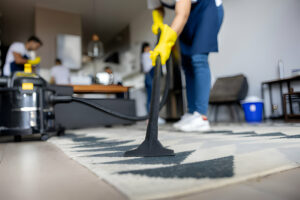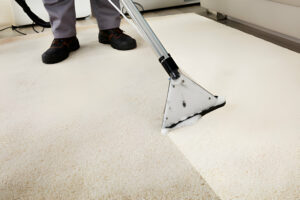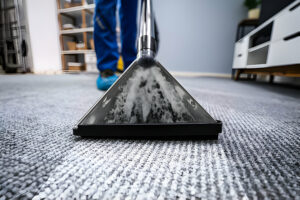

Sydney’s climate can be beautiful, but the same coastal humidity and regular wet weather that keep gardens lush can also create ideal conditions for mould indoors. Carpets and upholstered furniture are especially vulnerable because they hold moisture deep within their fibres and padding, often long after the surface feels dry.
If dampness is not managed quickly, mould can spread quietly beneath rugs, inside underlay, along skirting boards, and within lounges, dining chairs, mattresses, and soft furnishings. The good news is that prevention is practical when you understand why mould forms, where moisture hides, and how to build a simple maintenance routine that suits Sydney homes.
Why moisture control matters more than surface cleaning
Many homeowners focus on visible dirt, stains, and odours, but mould prevention starts with moisture management. Mould spores are naturally present in indoor and outdoor air. They become a problem when they land on a suitable surface and find enough moisture and organic material to grow. Carpets, rugs, upholstery, and underlays provide both shelter and food sources in the form of dust, skin cells, lint, and other debris.
In Sydney, prolonged humidity can keep soft furnishings slightly damp for days, especially in homes with poor airflow, shaded rooms, older windows, or limited insulation. Even without a dramatic leak or flood, a room can remain humid enough for mould to develop slowly. This is why a carpet may look clean and still become musty, or why a sofa against an external wall may develop mould on the hidden rear fabric while the front appears normal.
According to NSW Health guidance on mould, mould grows in damp and poorly ventilated areas and can affect indoor air quality and health. That makes prevention about more than preserving appearance. It also helps create a healthier living environment.
Why Sydney homes are especially prone to mould in carpets and upholstery
Sydney’s mould risk is shaped by a combination of climate, building style, and daily living habits. Coastal suburbs often experience high ambient humidity, while inland areas can still face condensation during cooler months and dampness after heavy rain. Apartments, terraces, and older brick homes each have their own moisture patterns.
Common local factors that increase risk
High humidity: Moisture in the air can settle into fibres, especially when windows remain closed for long periods.
Frequent rain: Wet shoes, umbrellas, pets, and clothing can transfer moisture onto carpets and furniture.
Condensation: Bedrooms and living rooms may collect moisture on windows and walls overnight, particularly in winter.

Poor ventilation: Rooms without cross-breezes or effective exhaust systems trap humid air.
Shaded interiors: South-facing rooms, lower levels, and areas blocked by neighbouring buildings may dry slowly.
Building leaks: Roof issues, rising damp, plumbing leaks, and window seal failures can keep subfloors or wall cavities wet.
Air conditioning misuse: Systems that are poorly maintained or rarely used in dry mode can fail to reduce humidity effectively.
These conditions often affect carpets and upholstery before homeowners realise there is a problem. By the time a musty smell appears, mould may already be active below the surface.
How mould develops in carpets, rugs, and furniture
Mould needs three main things: spores, a food source, and moisture. In homes, spores are unavoidable. Dust and fabric debris provide nutrients. Moisture is the factor you can control.
Soft furnishings absorb moisture from several sources:
- Steam from showers and cooking drifting into nearby rooms
- Open windows during humid weather
- Wet feet after rain
- Spills that soak into padding
- Leaks from ceilings, windows, or pipes
- Pet accidents that are not fully extracted
- Condensation behind furniture placed against external walls
Carpet is particularly vulnerable because the visible pile is only part of the system. Moisture can sink through the fibres into the backing, underlay, and subfloor. Upholstered furniture has a similar issue, with liquid and humidity moving into foam, batting, timber frames, and hidden seams. Surface wiping alone rarely reaches these deeper areas.
Early warning signs
Look for these clues before mould becomes widespread:
- A persistent earthy or musty smell
- Cold or slightly damp patches underfoot
- Discolouration near skirting boards or under furniture
- Recurring allergy-like symptoms indoors
- Black, green, grey, or white spotting on fabric or backing
- Warping, staining, or peeling paint near carpeted walls
- Furniture fabric that feels clammy even in dry weather
The earlier you act, the more likely you can prevent serious damage and avoid replacement costs.
The most vulnerable areas in the home
Not all rooms carry the same risk. Some spaces need more frequent checks because they are naturally exposed to moisture or limited airflow.
Bedrooms
Bedrooms often stay closed for long periods, especially during winter or when air conditioning is used overnight. Human breathing also adds moisture to the air. Carpets under beds and fabric bedheads can become problem areas if the room is not aired out regularly.
Living rooms
Large lounges placed against external walls can trap humid air behind them. Rugs under coffee tables and entertainment units may not receive enough light or airflow to dry properly after damp weather.

Hallways and entries
These zones collect moisture from shoes, umbrellas, and pets. If the area is carpeted, repeated low-level dampness can accumulate over time.
Basements, lower floors, and ground-level rooms
These spaces often have less sunlight and more contact with cool surfaces, making condensation and subfloor moisture more likely.
Rooms near bathrooms, laundries, and kitchens
Steam and accidental water transfer can raise humidity and introduce moisture to nearby carpets, dining chairs, and fabric stools.
Practical prevention strategies for Sydney households
The most effective mould prevention plan combines humidity control, quick drying, routine inspection, and smart furniture placement. No single tactic is enough on its own in a damp climate.
1. Keep indoor humidity in a safer range
Indoor relative humidity should generally be kept moderate to reduce mould risk. Using a hygrometer is one of the easiest ways to understand what is happening in your home. You may be surprised to find that a room feels comfortable but still has enough humidity for mould growth.
The main ways to control moisture in your home include reducing humidity, fixing leaks quickly, and drying wet materials promptly. In Sydney, this often means using dehumidifiers during wet spells, running air conditioning on dry mode when appropriate, and improving airflow whenever outdoor conditions allow.
2. Ventilate with intention, not just habit
Opening windows can help, but timing matters. On a dry breezy day, natural ventilation is excellent. On a warm humid day, open windows may let in more moisture than they remove. Use weather awareness rather than relying on a fixed routine.
Helpful ventilation habits include:
- Opening opposite windows for cross-ventilation on low-humidity days
- Using exhaust fans during and after showers or cooking
- Keeping internal doors open when safe to improve air movement
- Running ceiling or pedestal fans to prevent stagnant air pockets
- Using dehumidification instead of open windows during muggy weather
3. Dry spills immediately and thoroughly
A quick wipe is not enough for carpet or upholstery. Blot the spill, absorb as much liquid as possible, and help the area dry all the way through. Use clean towels, fans, and if needed a wet extraction machine. Avoid over-wetting the area with cleaning products, as that can push moisture deeper into the material.
For larger spills, such as a knocked-over drink jug or pet accident, place absorbent towels over the area and apply pressure to draw liquid upward. Then use airflow and dehumidification until the material is completely dry. If the underlay or cushion insert has been saturated, professional extraction may be necessary.
4. Do not let wet items rest on carpet or furniture
Raincoats, bath towels, damp laundry, and pet bedding can all transfer moisture into fibres. Create designated drying zones on hard flooring or in well-ventilated utility areas. Encourage family members to remove wet shoes at the door and avoid placing umbrellas on carpet.
5. Rearrange furniture to improve airflow
Leave a small gap between upholstered furniture and external walls, especially in cooler rooms. This allows air to circulate and reduces condensation build-up behind sofas, beds, and cabinets. Lift skirts, throws, or covers occasionally to inspect hidden surfaces.
6. Vacuum regularly with a quality machine
Dust and organic debris feed mould. Frequent vacuuming removes this food source and also helps you spot changes in texture, colour, or odour earlier. Use a vacuum with strong suction and good filtration, particularly if anyone in the home is sensitive to allergens.
7. Use rugs strategically
Rugs can trap moisture beneath them, especially on top of carpet or in rooms with limited airflow. Lift and air them periodically. Avoid placing thick rugs in corners that stay cool and shaded. If a rug becomes damp, dry both the rug and the floor underneath before putting it back.
How to protect carpets specifically
Carpets often suffer hidden moisture retention, so they need a more targeted plan than hard flooring.
Choose the right cleaning approach
Over-wetting during DIY shampooing can create mould problems if drying is slow. If you clean carpets yourself, use minimal moisture methods where suitable and avoid soaking the pile. If using a rental machine, make extra passes to extract as much water as possible.
After any wet clean, speed up drying with:
- Open airflow when outdoor humidity is low
- Fans directed across the carpet surface
- Air conditioning or dehumidifiers
- Restricted foot traffic until fully dry
Inspect edges and under furniture
Mould often begins where carpet meets walls, beneath beds, under couches, or in corners blocked by storage. These areas collect dust and receive less airflow. Move furniture occasionally and check for odours, spotting, or tacky texture.
Watch for underlay and subfloor issues
If carpet repeatedly feels damp, the problem may be below the surface. Concrete slabs can transmit moisture, timber subfloors can trap humidity, and underlay can hold water long after the top layer seems fine. Persistent problems usually require deeper investigation rather than repeated surface cleaning.
Use entry mats well
Place absorbent mats at entrances and encourage everyone to wipe shoes thoroughly. In very wet weather, a two-step system works well: an outdoor scraper mat followed by an indoor absorbent mat on a hard surface if possible.
How to protect upholstery and soft furnishings
Upholstered items are often overlooked because mould may develop in hidden areas first. Sofas, armchairs, dining chairs, ottomans, and fabric bedheads all need attention in damp conditions.

Keep furniture away from condensation zones
If a wall regularly feels cool or shows signs of condensation, do not press fabric furniture directly against it. Allow breathing space and inspect the back panels and lower edges every few weeks during humid or rainy periods.
Rotate cushions and expose hidden surfaces
Seat and back cushions can trap humidity, especially if the room is closed up. Rotate and stand cushions upright occasionally to air them out. Remove throws and covers so the underlying fabric can breathe.
Be careful with steam cleaning
Steam or hot water extraction can be effective when done correctly, but upholstery dries more slowly than many people expect. Thick armrests, foam cushions, and tufted sections can retain moisture deep inside. If professional cleaning is done, ensure there is a clear drying plan afterward.
Manage pet-related moisture
Pets can introduce dampness from wet fur, drool, or accidents. Use washable throws on favourite pet spots and clean incidents immediately with extraction and drying, not just deodorising sprays.
Do not ignore decorative soft items
Curtains, fabric lampshades, floor cushions, and upholstered benches can also harbour mould. These items may sit near windows where condensation forms, making them easy to overlook.
What to do after leaks, flooding, or heavy rain intrusion
Fast action is critical after any water event. The longer moisture remains in carpet and upholstery, the higher the risk of mould colonisation.
Immediate steps
- Stop the source of water if possible.
- Remove excess water quickly using towels, mops, or extraction equipment.
- Lift lightweight items off wet flooring.
- Increase airflow with fans if weather conditions support drying.
- Use dehumidifiers and air conditioning to reduce moisture in the room.
- Inspect adjacent walls, skirting boards, and nearby furniture.
Do not assume that because the top of the carpet feels dry, the underlay is safe. Water can spread sideways and downward. Upholstery may also wick moisture upward into arms and backs. If flooding was significant, or if water was contaminated, professional assessment is strongly recommended.
When replacement may be necessary
In some cases, drying and cleaning are not enough. Replacement may be the safest choice if:
- Mould has penetrated deeply into underlay or padding
- Water damage was extensive and left untreated for too long
- There is a strong persistent odour after drying attempts
- Contaminated water affected porous materials
- People in the home are experiencing worsening respiratory symptoms
Cleaning mistakes that can make mould worse
Good intentions can sometimes increase the problem. Avoid these common errors:
Using too much water
Oversaturating carpet or upholstery during cleaning can push moisture into layers that are hard to dry.
Masking odours instead of fixing moisture

Fragranced sprays may hide a musty smell temporarily, but mould will continue growing if dampness remains.
Closing up the room after cleaning
Sealing a room without dehumidification or airflow can trap moisture and slow drying dramatically.
Ignoring small recurring damp patches
A repeatedly damp corner often points to a hidden leak, condensation issue, or subfloor moisture problem.
Placing furniture back too soon
Returning rugs or furniture before flooring is fully dry can trap moisture and create the perfect dark environment for mould.
Seasonal mould prevention tips for Sydney
During humid summer periods
Use air conditioning or dehumidifiers proactively, especially in closed bedrooms and living areas. Limit open windows during sticky weather unless there is a genuine drying breeze.
During rainy stretches
Increase checks around entrances, rugs, and lounge areas. Dry wet shoes and umbrellas away from carpet. Lift mats and rugs more often.
During cooler months
Watch for condensation on windows and external walls. Air out bedrooms daily when conditions allow. Move beds and sofas slightly away from walls.
After storms
Inspect ceilings, window frames, and skirting boards for signs of water ingress. Catching a small leak early can prevent major mould growth in nearby carpets and furnishings.
When to call a professional
Some situations are beyond basic home maintenance. Professional help is worth considering when mould keeps returning, when the source of moisture is unclear, or when contamination is widespread.
Seek expert assistance if:
- The affected area is large or spreading
- The smell remains after cleaning and drying
- You suspect moisture under the carpet or inside furniture
- There has been flooding or sewage contamination
- Household members have asthma, allergies, or other sensitivities
- There are signs of structural moisture such as bubbling paint, warped skirting, or stained walls
Professionals can identify hidden moisture, measure humidity, inspect subfloors and wall cavities, and recommend whether cleaning, drying, remediation, or replacement is the best path forward.
Creating a simple weekly and monthly prevention routine
Consistency matters more than complexity. A realistic routine can greatly reduce risk in Sydney’s damp conditions.
Weekly tasks
- Vacuum carpets, rugs, and upholstered furniture
- Check for musty odours in closed rooms
- Wipe condensation from windows and sills
- Air out cushions, throws, and pet bedding
- Inspect entry areas after wet weather
Monthly tasks
- Move lightweight furniture and inspect hidden carpet edges
- Lift rugs and check underneath
- Review
Need help with How to Protect Carpets and Upholstery From Mould in Sydney’s Damp Conditions?
Get A Free Quote TodayNeed help with How to Protect Carpets and Upholstery From Mould in Sydney’s Damp Conditions? Get A Free Quote Today