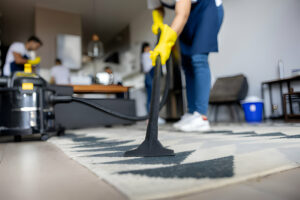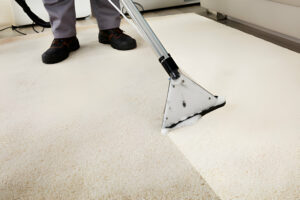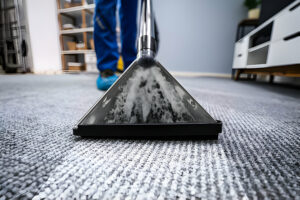

Freshly steam cleaned carpet looks brighter, feels softer, and can make an entire room seem newer. After a professional clean, many Sydney homeowners ask the same practical question: is carpet protection really necessary, or is it just an optional extra?
The answer depends on how the carpet is used, what type of fibre it is made from, and how much wear, moisture, food, pets, and foot traffic it faces every week. In some homes, protection can extend the life and appearance of carpet in a meaningful way. In others, it may offer only modest benefits. Understanding what carpet protection does, what it does not do, and when it is worth the cost helps you make a smart decision after steam cleaning.
Why post-cleaning decisions matter for carpet longevity
Steam cleaning removes embedded soil, residues, allergens, and many of the contaminants that build up from daily life. It is one of the best ways to restore carpet appearance and improve hygiene. However, once the carpet is clean, the fibres are once again exposed to fresh spills, tracked-in dirt, oils from shoes, pet accidents, and general abrasion.
This is where post-cleaning decisions matter. A carpet that has just been professionally cleaned is in one of the best possible conditions to receive a protective treatment because the fibres are free from the layers of grime that can block even application. If protection is going to be applied, doing it after a thorough clean is usually the right timing.
For Sydney households, this question can be especially relevant because local conditions vary widely. Coastal humidity, sandy foot traffic, sudden rain, indoor-outdoor living, children running in from the backyard, and apartment living with heavy hallway use all affect how quickly carpet becomes soiled again. Carpet protection is not a substitute for cleaning, but in the right setting it can slow down how quickly visible wear and staining return.
What carpet protection actually is
Carpet protection is a treatment applied to carpet fibres to help reduce the rate at which liquids soak in and dirt bonds to the surface. Most modern protectors are designed to create a barrier around individual fibres. This barrier does not make carpet stain-proof, but it can improve the carpet’s resistance to spills and make routine vacuuming and future cleaning more effective.
In practical terms, a protector may help a spilled drink bead up for longer instead of penetrating immediately. It may also reduce the grip that oily soils and dry particles have on the fibres. That gives homeowners a better chance to blot spills quickly and gives cleaning technicians a better chance of removing marks before they become permanent.

It is important to understand the difference between stain resistance and soil resistance. Stain resistance relates to how likely a substance is to chemically bond to the fibre. Soil resistance relates to how easily dirt sticks and accumulates. Good protection may assist with both, but results vary depending on the carpet material and the nature of the spill.
For a broader understanding of indoor contaminants and why flooring maintenance matters, the guide to indoor air quality from the United States Environmental Protection Agency offers useful background on how dust and pollutants can build up indoors.
How steam cleaning affects existing carpet protection
Many carpets come from the manufacturer with some level of protective treatment already applied. Over time, normal use gradually wears that treatment down. Foot traffic, vacuuming, sunlight, spills, and repeated cleaning all reduce its effectiveness. By the time a carpet looks noticeably dirty, the original protection in high traffic areas may already be significantly weakened.
Steam cleaning itself can also diminish remaining protection. This is not because cleaning is harmful when done correctly, but because the process removes residues from the fibre surface, including worn-out protective chemicals. In many cases, that is exactly why reapplication is recommended after a professional clean. The cleaning resets the carpet, and the protector restores some of the resistance that has been lost through use.
This does not mean every carpet always needs it. It means homeowners should not assume a carpet is still fully protected just because it once had a factory treatment. The age of the carpet, the amount of wear, and the number of previous cleans all matter.
When carpet protection is most worth considering
There are several situations where carpet protection often makes strong practical sense.
Homes with children
If you have toddlers, school-aged children, or frequent young visitors, your carpet is more likely to face juice spills, snack crumbs, arts and crafts mess, muddy shoes, and accidental drops. In these homes, protection can buy valuable time for cleanup and reduce the chance that a quick accident becomes a long-term stain.
Pet-owning households
Pets create a special set of carpet challenges. Wet paws, tracked dirt, fur, oils, vomit, and occasional accidents can all test carpet resilience. While protection will not stop damage from untreated urine or repeated accidents, it can improve your ability to respond quickly and reduce how deeply some liquid spills penetrate.
Light coloured carpet
Beige, cream, light grey, and off-white carpets show marks sooner than darker shades. If appearance matters and you want to keep a clean, uniform look for longer between professional visits, protection can be especially helpful on lighter tones.
High traffic areas
Hallways, family rooms, stairs, home offices, and media rooms often collect soil rapidly. Dirt particles act like abrasives underfoot, gradually dulling and fraying fibres. Protectors can help reduce soil adhesion, which may improve vacuum effectiveness and reduce the speed at which traffic lanes become obvious.

Rental properties and investment homes
For landlords and property managers, protecting carpet after cleaning may help preserve presentation and reduce premature replacement costs. In a rental, spills and heavy use are common, and anything that helps maintain the carpet’s condition can have financial value over time.
Recently installed or relatively new carpet
If the carpet is still in good shape, protection can be a proactive step. It is generally easier to preserve a carpet that is already clean and well maintained than to revive one that has years of wear and staining.
When carpet protection may be less necessary
There are also cases where protection may be less of a priority.
Low traffic rooms
Formal sitting rooms, guest bedrooms, and spaces that are rarely used may not benefit as much. If the carpet sees little wear and there is minimal risk of spills, the return on investment may be limited.
Carpet near the end of its service life
If the fibres are heavily worn, crushed, frayed, or permanently stained, protection may not offer much practical value. It can help with future spills, but it will not reverse age-related damage.
Homes with strict no-shoes and low spill risk
Some households are extremely careful with flooring. If shoes are always removed, food stays in tiled areas, and the carpet is vacuumed consistently, a homeowner may decide regular maintenance alone is enough.
Budget-focused maintenance plans
If you are choosing between more frequent professional cleaning and occasional protection, the better option may depend on your carpet’s condition and your lifestyle. In many homes, consistent vacuuming and scheduled deep cleaning provide the biggest benefits. Protection can add value, but it is not always the first priority if maintenance funds are limited.
What carpet protection can and cannot do
One of the biggest sources of confusion is unrealistic expectations. Carpet protection is useful, but it is not magic.
What it can do
-
Help liquids remain on the fibre surface longer
-
Improve response time for blotting spills
-
Reduce the rate at which dry soil bonds to fibres
-
Support easier routine maintenance
-
Help preserve appearance between professional cleans
What it cannot do
-
Make carpet immune to stains
-
Prevent damage from bleach, harsh chemicals, or dyes
-
Stop wear caused by heavy friction and crushed pile
-
Eliminate the need for vacuuming and deep cleaning
-
Guarantee full removal of pet urine or long-set spills
For example, if red wine is spilled and left for hours, even protected carpet may stain. If greasy food is ground into the fibres, protection may help, but prompt cleanup still matters. If muddy shoes repeatedly track in grit, the carpet will still wear over time. The treatment improves resistance, not invincibility.

How carpet fibre type changes the decision
The material your carpet is made from plays a major role in whether protection is worthwhile and how effective it may be.
Nylon carpet
Nylon is common in residential carpet because it is durable and resilient. It often responds well to protective treatments. In busy family homes, reapplying protection to nylon carpet after steam cleaning can be a sensible choice, especially in traffic areas.
Polyester carpet
Polyester has natural stain resistance to many water-based spills, but it can attract oily soils. Depending on the product used, protection may still help with general soiling and maintenance, though benefits may differ from nylon.
Wool carpet
Wool is a premium natural fibre with excellent appearance and comfort, but it requires careful treatment. Wool can absorb moisture and may be more vulnerable to certain staining substances. A protector suitable for wool can be beneficial, but it should be selected and applied correctly to avoid issues. Homeowners with wool carpet should always confirm that the treatment is appropriate for natural fibres.
Triexta and solution-dyed fibres
Some modern carpets have strong built-in stain resistance. Even so, wear and soiling still occur, and additional protection may help in high-use environments. The key is not to assume that built-in resistance means no maintenance support is ever useful.
If you want to understand how textile fibres behave in relation to absorbency and performance, educational materials from institutions such as the Wilson College of Textiles at NC State University provide helpful background on fibre properties and textile performance.
Sydney-specific factors homeowners should think about
Sydney homes face a mix of environmental and lifestyle conditions that can influence the value of carpet protection.
Coastal sand and fine grit
In beachside suburbs, sand is a constant issue. Even very fine particles can work their way into carpet and act like abrasive material underfoot. Protection does not stop sand from entering the home, but it may reduce how strongly fine soils cling to fibres, making vacuuming more effective.
Humidity and moisture
Some parts of Sydney experience humid periods that can affect drying times and the way carpets hold onto moisture and odours. While protection is not a moisture barrier for subfloor issues or flooding, it may help with surface spills by slowing absorption into the pile.
Indoor-outdoor living
Many Sydney households move frequently between patios, balconies, gardens, and interior living spaces. This relaxed lifestyle is great for entertaining, but it also means more food, drinks, and outdoor debris can reach carpeted areas. Protection is often more valuable in homes where carpet is close to dining, lounge, or transition spaces.
Apartment living and common area dust
In apartments, hallway dust, lift lobby traffic, and compact living arrangements can concentrate wear in small carpeted zones. A protector may help preserve appearance where every square metre counts.

Storm season and wet footwear
Sudden showers can lead to damp shoes, umbrellas, and muddy entry paths. In these moments, any extra resistance to moisture penetration can be useful, especially if spills or wet marks are cleaned promptly.
Questions to ask before agreeing to a protector treatment
Homeowners should feel comfortable asking detailed questions before adding any treatment after steam cleaning. A good service provider should be able to explain the product and expected outcome clearly.
Is the protector suitable for my carpet fibre?
This is especially important for wool and specialty carpets. Compatibility matters.
How long is it expected to last?
Durability depends on traffic, maintenance, and the product used. In busy homes, high traffic zones may lose effectiveness sooner than low use areas.
Will it change the feel or appearance of the carpet?
Properly applied modern protectors generally should not noticeably alter the look or softness of carpet, but it is reasonable to ask.
How long before the carpet can be used again?
Drying and curing times vary. You should know when it is safe to walk on the carpet and whether shoes should be avoided for a period.
What spills does it help with, and what does it not help with?
Specific examples are more useful than broad promises. Ask about food, coffee, pet accidents, oil-based marks, and tracked dirt.
What aftercare is recommended?
Some products perform best when paired with regular vacuuming and prompt spot treatment. Knowing how to care for protected carpet helps you get the value you paid for.
How to maintain carpet after steam cleaning and protection
Whether you choose protection or not, maintenance after steam cleaning has a major impact on carpet life.
Vacuum regularly
Frequent vacuuming removes abrasive dry soil before it settles deep into the pile. In high traffic homes, vacuuming several times a week may be appropriate. In lower traffic areas, weekly vacuuming may be enough.
Blot spills immediately
Do not rub. Blot with a clean white cloth or paper towel to absorb as much liquid as possible. Work from the outside of the spill inward.
Use appropriate spot cleaning methods
Avoid over-wetting the area or using random household chemicals. Some products can set stains, damage fibres, or leave sticky residues that attract more dirt.
Use entry mats and remove shoes
These simple habits can dramatically reduce the amount of grit and oil carried onto carpet.
Rearrange furniture occasionally
This helps distribute wear and can reduce permanent traffic patterns in the same walking lines.
Schedule professional cleaning before the carpet looks extremely dirty
Waiting too long allows soils to accumulate and can make restoration harder. Preventive cleaning is generally better than rescue cleaning.
Cost versus value for Sydney homeowners

The decision often comes down to value rather than price alone. Carpet protection adds to the cost of a cleaning appointment, so it is fair to ask whether the benefit justifies the expense.
If your home has active children, pets, high foot traffic, light carpet, or expensive wool flooring, the answer is often yes. The treatment may help avoid stubborn stains, preserve appearance, and support longer intervals between major restoration efforts. Over time, that can help protect the larger investment you made in the carpet itself.
If your carpet is in a rarely used guest room or nearing replacement age, the value may be less compelling. In that case, you may prefer to put your budget toward routine cleaning, better entrance matting, or eventual flooring updates.
Think of carpet protection as risk management. The more likely your carpet is to face spills and grime, the more useful that risk reduction becomes.
Common myths about carpet protection
Myth: It is just an upsell with no real benefit
Not always. In the right circumstances, it can provide practical advantages. The key is whether those advantages match your household conditions.
Myth: Protected carpet never stains
False. Protection improves resistance, but no treatment can guarantee complete stain prevention in every situation.
Myth: New carpet does not need any extra help
New carpet may already have some resistance, but busy homes can still benefit from added or renewed protection as wear begins.
Myth: Once applied, it lasts forever
Protection gradually wears down. Traffic, vacuuming, and cleaning all affect its lifespan.
Myth: It replaces regular maintenance
It does not. Vacuuming, prompt spill response, and periodic professional cleaning remain essential.
So, do you need carpet protection after steam cleaning?
For many Sydney homeowners, carpet protection after steam cleaning is not strictly necessary, but it is often worthwhile. It makes the most sense when your carpet faces real daily pressure from kids, pets, guests, outdoor traffic, food and drink, or light-coloured fibres that show every mark. In those homes, protection can help preserve the fresh results of steam cleaning and make future maintenance easier.
At the same time, it is important to keep expectations realistic. Carpet protection will not stop all stains, prevent wear, or remove the need for regular care. Its value lies in giving you a better margin for error and helping carpet stay cleaner-looking for longer. If your home has low traffic and minimal spill risk, you may decide that careful maintenance alone is enough.
The smartest approach is to evaluate your carpet type, lifestyle, room usage, and budget together. When applied appropriately after a thorough steam clean, carpet protection can be a practical part of a broader floor care strategy, especially in busy Sydney homes where carpets have to handle a lot of real life.
Need help with Do You Need Carpet Protection After Steam Cleaning What Sydney Homeowners Should Know?
Get A Free Quote Today
Need help with Do You Need Carpet Protection After Steam Cleaning What Sydney Homeowners Should Know? Get A Free Quote Today