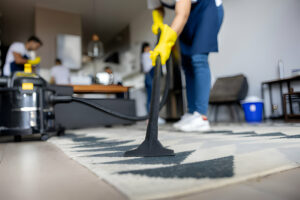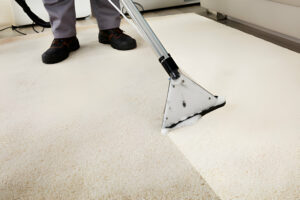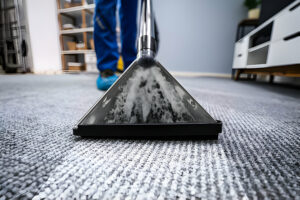

Moving out of a rental property in Sydney can feel like a race against the clock. Between packing, arranging removals, updating utilities, and final inspections, carpet cleaning often becomes one of the last tasks on the list. Yet it is one of the most important details when it comes to protecting a bond and keeping the handover process smooth.
For tenants, end of lease carpet cleaning is about more than appearance. It can affect how quickly the property is signed off and whether deductions are claimed for cleaning issues. For property managers and landlords, it helps restore presentation, reduce odours, and prepare the home for incoming occupants. Understanding what is actually required, what is considered fair wear and tear, and how professional carpet cleaning fits into the end of tenancy process can save time, money, and disputes.
Why carpet condition matters at the end of a tenancy
Carpets are one of the most heavily used surfaces in a rental property. They collect dust, tracked in soil, food particles, pet hair, allergens, spills, and odours over time. Even when a tenant has vacuumed regularly, carpets can still hold embedded grime that only becomes obvious once furniture has been removed.
At the end of a lease, the condition of the carpet is often judged against the original entry condition report. Property managers typically assess:
- Visible staining
- General soil build up in traffic areas
- Pet related odours or marks
- Discolouration from spills
- Dust and lint along edges and under furniture lines
- Whether the carpet appears reasonably clean for the next occupant
In Sydney’s competitive rental market, presentation matters. A freshly cleaned carpet can improve the look and feel of a property immediately. It can also help reduce the time between tenancies by making inspections and advertising easier.
For tenants, carpet cleaning is often one of the most practical ways to show they have returned the property in good condition. For property managers, it creates a more objective standard during final inspection because the carpet has been professionally treated rather than simply vacuumed.
What NSW tenants and property managers should understand about cleaning obligations
One of the biggest sources of confusion is whether professional carpet cleaning is always mandatory. In New South Wales, rental obligations depend on the tenancy agreement, the condition at the start of the tenancy, and whether pets were kept at the property.
In general, tenants are expected to leave the premises in a reasonably clean condition, having regard to the state of the property at the beginning of the tenancy. This does not mean making old carpet look brand new. It means returning it in a clean state, allowing for fair wear and tear.

Fair wear and tear refers to the gradual deterioration that happens through normal use over time. This concept is explained by NSW Fair Trading guidance on ending a tenancy. For example, slight flattening in high traffic areas may be wear and tear, while a large wine stain or pet urine odour is more likely to be considered damage or inadequate cleaning.
Property managers should also be careful not to demand services beyond what is lawful or reasonable. If a tenancy agreement specifically requires professional carpet cleaning in certain circumstances, such as where pets were kept, then documentation becomes important. If there is no such clause, the focus should remain on whether the carpet is reasonably clean when compared to the ingoing condition.
Tenants should always review:
- The signed tenancy agreement
- The entry condition report
- Any special terms about pets or carpet treatment
- Correspondence about cleaning expectations before vacating
Property managers should ensure that expectations are communicated early, clearly, and in writing. Last minute demands often create unnecessary tension and can delay settlement of the bond.
Professional carpet cleaning versus basic vacuuming
Vacuuming is essential, but it is not the same as deep carpet cleaning. Standard vacuuming removes surface dust, crumbs, and loose debris. It does very little for oily soils, old stains, trapped odours, or allergens embedded in the pile.
Professional carpet cleaning generally involves one of the following methods:
Hot water extraction
Often referred to as steam cleaning, hot water extraction uses heated water and cleaning solution injected into the carpet, then extracted along with suspended dirt. This is one of the most common methods for end of lease work because it can achieve a deeper clean and is suitable for many synthetic carpet types.
Dry cleaning or low moisture cleaning
This method uses minimal moisture and specialised compounds or machines. It can be useful where fast drying is important or where carpet construction requires a lower moisture approach.
Spot treatment and stain removal
Professional cleaners may pre treat specific problem areas such as food spills, makeup, coffee, ink, or pet accidents. Results vary depending on the age of the stain, carpet fibre, and whether previous attempts have set the stain.
For end of lease purposes, professional carpet cleaning offers several advantages:
- Better removal of embedded soil
- Improved appearance in traffic lanes
- Reduction of odours
- Cleaning under and around furniture marks once rooms are empty
- A tax invoice or receipt that can be shown during bond discussions
That receipt matters. Even if a property manager believes further attention is needed, evidence that a tenant engaged a professional service can help show they took reasonable steps to meet their obligations.
When professional carpet cleaning is especially important

Not every tenancy ends with heavily soiled carpet, but some situations make professional cleaning far more important.
Long tenancies
The longer a tenant has lived in a property, the more likely it is that fine dust, body oils, cooking residue, and tracked in dirt have accumulated. Even careful occupants may not notice gradual dulling over time.
Pets in the property
Pet hair, dander, muddy paw prints, and urine odours can linger in carpet fibres and underlay. If pets were approved during the tenancy, professional treatment is often the most reliable way to address both visible and hidden issues.
Children and family living
Family homes often experience spills, dropped food, craft stains, and heavier foot traffic. Hallways, living rooms, and bedrooms can all show use patterns by the time the lease ends.
Light coloured carpets
Beige, cream, and pale grey carpets can show marks quickly. What looks acceptable in daily life may appear much more obvious during a vacant inspection in bright daylight.
Properties being relet quickly
If a property manager is trying to minimise vacancy, professional carpet cleaning can help prepare the home for photography, inspections, and immediate occupancy.
Common carpet issues found during final inspections
Knowing what typically causes disputes can help both tenants and property managers focus on the right areas before the inspection.
Traffic lane greying
This appears in hallways, near doorways, and in front of sofas. It is caused by repeated foot traffic compressing fibres and pushing in fine soil. Some flattening may be wear and tear, but visible soil build up often needs cleaning.
Food and drink stains
Coffee, tea, wine, soft drink, curry, and sauces are common causes of noticeable marks. Some stains can be removed fully, while others may leave permanent discoloration depending on the dye content and how long they have been present.
Pet urine and odour
This is one of the most challenging problems because the issue may extend below the visible carpet into underlay and subfloor. Surface cleaning alone may not solve the odour.
Mould and moisture related smells
In humid conditions or poorly ventilated rooms, carpets can develop a musty smell. This may require more than standard cleaning if there has been water intrusion or persistent dampness.
Makeup, fake tan, and cosmetic residue
Bedrooms and dressing areas often show foundation, powder, nail polish, and self tanning product marks. These can be difficult to remove without specialist treatment.
Burn marks and tears
Cleaning cannot repair physical damage such as burns from irons or candles, pulled loops, or torn sections. These issues are usually assessed separately from cleaning.
Fair wear and tear versus damage and neglect
This distinction is central to many bond disputes. Property managers should assess carpets realistically, and tenants should understand what they can and cannot be held responsible for.

Examples that may fall under fair wear and tear include:
- Minor fading from age or sunlight
- General flattening in high use areas
- Slight loss of texture over time
- Normal ageing consistent with the carpet’s age and quality
Examples more likely to be classed as damage, neglect, or inadequate cleaning include:
- Large untreated stains
- Pet urine contamination
- Ground in dirt from lack of routine care
- Strong odours caused by smoking or pets
- Burns, rips, or bleach spots
Industry expectations around carpet maintenance and cleaning methods are often influenced by professional standards. For a broader technical reference, the IICRC standards for professional cleaning and restoration are widely recognised in the cleaning field.
Property managers should avoid assuming that any imperfection equals tenant liability. Age matters. A ten year old carpet will not present like a newly installed one, even after expert cleaning. Tenants, on the other hand, should not rely on age alone if there are obvious stains or hygiene issues that could have been addressed.
How tenants can prepare for end of lease carpet cleaning
Good preparation can improve results and reduce stress. Tenants should not wait until the final day to think about the carpet.
Check the lease and condition report early
Review the paperwork at least a few weeks before moving out. If professional carpet cleaning is expected, book it in advance, especially during busy moving periods at the end of the month.
Inspect the carpet room by room
Walk through the property in daylight and look for stains, odours, and heavy traffic areas. Pay attention to spaces that were hidden by furniture for most of the tenancy.
Vacuum thoroughly before the cleaner arrives
Many professional cleaners prefer a reasonably debris free surface so they can focus on deep cleaning rather than picking up large dry material. If the service includes pre vacuuming, confirm that when booking.
Move furniture out first if possible
End of lease carpet cleaning is usually most effective once the property is empty. This allows access to the full carpeted area and gives a clearer result for inspection.
Disclose stains honestly
Let the cleaner know about pet accidents, wine spills, makeup marks, or previous DIY stain treatments. Some products bought from supermarkets can set stains or alter the carpet chemistry, so the cleaner should know what has already been applied.
Allow enough drying time
If the final inspection is scheduled immediately after cleaning, damp carpet can create confusion. Book the service with enough time for drying, ventilation, and a final check of the result.
How property managers can handle carpet cleaning professionally and fairly
Property managers play a major role in whether the vacate process feels smooth or adversarial. Carpet issues are easier to resolve when expectations are documented and inspections are evidence based.

Set expectations before vacate
Provide tenants with a clear vacate checklist that explains the cleaning standard expected, references the tenancy agreement, and notes any pet related requirements where applicable.
Use the ingoing report properly
A detailed entry condition report with photos is one of the best tools for assessing carpet condition fairly. Without a reliable baseline, it is harder to justify claims about deterioration.
Inspect in good lighting
Carpet should be assessed when dry and in decent natural or artificial light. Rushed inspections can lead to incorrect conclusions about stains, shading, or dampness.
Differentiate appearance issues from actual hygiene issues
Some older carpets may never look perfect again. The relevant question is whether they are reasonably clean and consistent with age and use, not whether they present like a display suite.
Communicate concerns promptly
If there is a problem after the tenant has arranged professional cleaning, advise them quickly and specifically. General statements such as “carpet not clean enough” are less helpful than “strong pet odour remains in bedroom two near the wardrobe.”
Keep invoices and evidence organised
If additional cleaning or remediation is genuinely required, documentation should support the claim. This includes photos, inspection notes, and invoices showing the actual cost incurred.
Choosing a carpet cleaning service for end of lease work in Sydney
Not all carpet cleaning services are the same. Whether you are a tenant booking directly or a property manager recommending providers, it helps to know what to look for.
Experience with end of lease requirements
A cleaner familiar with rental inspections understands the importance of receipts, punctuality, stain treatment, and presenting the property well for handover.
Clear explanation of methods
Ask whether they use hot water extraction, dry cleaning, or another method, and whether it suits the carpet type in the property.
Stain treatment capability
Basic cleaning may not be enough where there are specific spots or odours. Ask whether stain treatment, deodorising, or pet urine treatment is included or quoted separately.
Drying times
Sydney weather can affect drying, especially in humid periods or apartments with limited airflow. A good provider should give realistic guidance about how long the carpet will take to dry.
Receipt or tax invoice
For end of lease purposes, written proof of service is essential. Make sure the invoice identifies the property address, date, and service performed.
Insurance and professionalism
Reliable operators should communicate clearly, arrive on time, and handle the property carefully. Reviews and referrals can be useful, but the key is whether the provider is organised and suitable for tenancy related work.
Timing the clean to avoid problems
Timing is one of the most overlooked parts of the process. A good clean done at the wrong time can still create issues.

The best sequence is usually:
- Remove all furniture and belongings
- Complete other dusty cleaning tasks such as wiping skirting boards and removing cobwebs
- Vacuum if required
- Have the carpets professionally cleaned
- Ventilate the property and allow drying time
- Do a final walk through before returning keys
If painters, maintenance contractors, or removalists come through after the carpet has been cleaned, they can easily undo the result. In apartment buildings, also allow time for lift bookings and access arrangements so the cleaner can work efficiently.
Special considerations for pets, allergies, and odours
Carpet cleaning at the end of a lease is not only about visible marks. Smell and indoor freshness can strongly influence how a property is perceived during inspection.
Pet odour treatment
Where pets have lived indoors, deodorising may need to go beyond standard cleaning. Enzyme based treatments are sometimes used to break down urine residues, but severe contamination may require lifting sections of carpet or replacing underlay.
Dust and allergen reduction
Deep cleaning can help reduce dust mites, pollen, and other allergens trapped in carpet fibres. This can be especially beneficial when preparing a property for new occupants.
Smoking related odours
If smoking has occurred inside, the smell may be in the carpet as well as curtains and walls. Carpet cleaning can help, but full odour removal may require broader cleaning across the property.
What to do if there is a disagreement about the carpet
Despite best efforts, disputes can still happen. The key is to focus on evidence and reasonableness.
Tenants should keep:
- The invoice for professional carpet cleaning
- Photos taken after cleaning
- A copy of the entry condition report
- Any communication with the property manager about cleaning expectations
Property managers should keep:
- Entry and exit photos
- Detailed inspection notes
- Copies of relevant lease clauses
- Invoices for any additional necessary work
If the issue relates to an old stain that could not be removed, a professional cleaner’s written note can be useful. If the issue is a strong odour or contamination, more detailed evidence may be needed to show why further treatment was reasonable.
Many disagreements can be resolved through prompt communication before they escalate. A tenant may be willing to return for a re clean if a specific issue is identified quickly. Likewise, a property manager may decide that an aged carpet has been cleaned sufficiently when viewed in context.
Practical tips for a smoother handover
Small steps can make a big difference in end of lease outcomes.
- Book carpet cleaning early, especially during peak moving periods in Sydney
- Choose a time after the property is empty
Need help with End of Lease Carpet Cleaning in Sydney What Tenants and Property Managers Need to Know?
Get A Free Quote Today
Need help with End of Lease Carpet Cleaning in Sydney What Tenants and Property Managers Need to Know? Get A Free Quote Today