
Clean, healthy indoor spaces matter more than ever. Floors, upholstery, tile, and high touch surfaces collect dirt, allergens, oils, and bacteria over time, even in homes and businesses that look tidy at first glance. When ordinary mopping or surface wiping stops delivering the results you want, steam cleaning becomes a practical and effective solution.
SM Steam Cleaning is a topic that continues to gain attention because people want cleaning methods that are powerful, efficient, and suitable for a wide range of surfaces. Whether you are a homeowner trying to refresh carpets and grout or a business owner focused on presentation and hygiene, understanding how steam cleaning works can help you make better cleaning decisions and protect your investment for the long term.
Why deep cleaning matters for modern homes and businesses
Routine cleaning is essential, but it does not always remove deeply embedded grime, residue, and microorganisms. Vacuuming can lift loose debris from carpet fibers, and standard mopping can improve the appearance of hard floors, yet many contaminants remain trapped below the surface. Over time, this buildup can affect appearance, indoor air quality, and even the lifespan of materials.
In residential settings, deep cleaning supports a healthier environment for children, pets, and anyone with allergies or respiratory sensitivities. Dust mites, pollen, pet dander, and food residue can settle into carpets, rugs, mattresses, and upholstered furniture. In kitchens and bathrooms, grease, soap scum, and moisture can create ideal conditions for odor and bacterial growth.
For commercial properties, the stakes are often even higher. Offices, retail spaces, restaurants, clinics, and shared facilities need a level of cleanliness that supports customer confidence and staff well being. Dirty tile lines, stained carpets, or dingy upholstery can negatively affect first impressions. More importantly, neglected surfaces can contribute to wear and create sanitation concerns in high traffic environments.
Steam cleaning stands out because it targets both visible soil and less obvious contamination. Heat, moisture, and extraction or vapor action work together to loosen and remove buildup that ordinary methods may leave behind. This makes it a valuable service for maintenance, restoration, and periodic deep cleaning.
What steam cleaning actually is
Steam cleaning is a cleaning method that uses heated water, and in some cases low moisture vapor, to loosen dirt, dissolve residues, and sanitize surfaces. The term is often used broadly, so it is helpful to understand that there are different approaches under the steam cleaning umbrella.
Hot water extraction
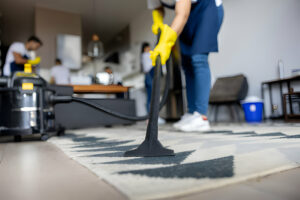
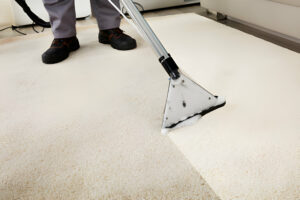
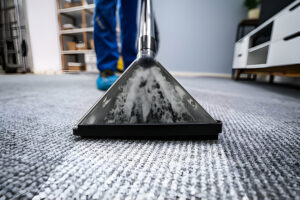
One of the most common professional methods for carpets and upholstery is hot water extraction. In this process, hot water and a cleaning solution may be applied to fibers under pressure, then extracted along with loosened soil. Many people refer to this as steam cleaning, even though the process often involves hot water rather than dry steam. It is highly effective for carpets, area rugs, and fabric furniture when performed properly.
Dry steam or vapor cleaning
Dry steam cleaning uses very hot vapor with low water content. This method is often used on tile, grout, sealed hard surfaces, bathroom fixtures, some upholstery, and certain commercial applications. Because moisture levels are relatively low, surfaces may dry faster than they would with extraction based methods.
Surface specific steam applications
Different materials require different tools, temperatures, pressures, and cleaning agents. A trained technician evaluates the surface first, then chooses the safest and most effective method. This is especially important for natural stone, delicate fabrics, wood adjacent to moisture, and heavily soiled commercial flooring.
The broader point is simple. Steam cleaning is not a one size fits all procedure. Quality service depends on using the right process for the right material.
How the process works from start to finish
A professional steam cleaning appointment usually follows a structured workflow designed to maximize results while minimizing risk to surfaces. While details vary by provider and job type, the overall process often includes the following steps.
Inspection and assessment
The first step is identifying the material, level of soiling, stains, wear patterns, and any damage that may affect cleaning. For example, carpet fibers such as nylon, polyester, and wool each respond differently to moisture, heat, and cleaning agents. Upholstery fabrics also vary widely in colorfastness and texture.
Pre treatment
Heavily soiled areas often receive a pre spray or pre treatment to break down oils, tracked in dirt, food residue, and other contaminants. This step is especially important in high traffic lanes, entryways, dining areas, and spots where pets spend time.
Agitation when needed
Some surfaces benefit from mechanical agitation using a brush, pad, or grooming tool. This helps distribute cleaning solution evenly and dislodge embedded grime before extraction or steaming begins.
Steam, hot water, or vapor application
The technician then applies heat and moisture in a controlled way. In carpet cleaning, this may involve injecting hot water into the fibers and immediately extracting it. In grout cleaning, focused steam or pressure may be used to lift dirt from porous lines and textured tile surfaces.
Extraction or residue removal
Extraction is a critical phase because it removes suspended soil, excess moisture, and cleaning agents from the surface. Effective extraction improves final appearance, reduces drying time, and helps prevent sticky residue that can attract future dirt.
Spot treatment and finishing
Stubborn stains may need additional treatment. After cleaning, carpets may be groomed to restore pile direction, and protective treatments may be applied if requested. Hard surfaces may be wiped down after steaming to remove loosened residue.
Drying and aftercare guidance
Drying time depends on the material, room temperature, humidity, air movement, and cleaning method. A professional service should provide aftercare instructions such as limiting foot traffic, increasing ventilation, or using fans to speed drying.
Key benefits of steam cleaning
The popularity of steam cleaning is not just about appearance. It offers a broad set of practical advantages that appeal to homeowners, property managers, and business operators alike.
Deeper soil removal
Heat helps break down oily films and stubborn grime that ordinary cleaners may not fully remove. Combined with extraction or vapor pressure, this allows contaminants to be lifted from fibers, grout lines, and textured surfaces more effectively.
Improved hygiene
High temperatures can help reduce bacteria and other unwanted organisms on many surfaces when used correctly. This is one reason steam cleaning is often chosen for bathrooms, kitchens, upholstery, and shared commercial spaces. The CDC guidance on cleaning and disinfecting with steam helps explain why heat based cleaning can support hygiene goals in certain settings.
Reduced allergens
Steam cleaning can help remove dust mites, pollen, pet dander, and other allergens trapped in soft surfaces. For people with sensitivities, this can contribute to a fresher and more comfortable indoor environment.
Odor reduction
Odors often come from the substances trapped in fabrics, carpet backing, grout, or porous materials. By removing the source rather than masking it, steam cleaning can make a noticeable difference in rooms affected by pets, cooking residue, moisture, or heavy use.
Restored appearance
Traffic lanes, dull grout, stained upholstery, and matted carpet can make an entire room feel worn out. Steam cleaning can brighten surfaces, revive color, and improve texture, helping spaces look better without immediate replacement costs.
Versatility
One of the strongest advantages of steam cleaning is its flexibility. It can be used on carpets, rugs, upholstery, tile, grout, sealed stone, mattresses, curtains, and some hard surfaces, depending on the equipment and the technician’s expertise.
Where steam cleaning delivers the best results
Not every surface needs the same treatment, but there are several areas where steam cleaning consistently performs well.
Carpet and area rugs
Carpets hold onto dirt more than most people realize. Even when they are vacuumed regularly, fine particles settle deep into the pile. Hot water extraction can flush out this hidden buildup and improve both appearance and feel underfoot. Area rugs also benefit from deep cleaning, although fiber type and dye stability should always be evaluated first.
Upholstery and fabric furniture
Sofas, dining chairs, sectionals, and office seating absorb body oils, spills, dust, and odors. Professional steam or extraction cleaning can refresh these surfaces and extend their usable life. Delicate fabrics, however, require careful testing and lower moisture methods when appropriate.
Tile and grout
Bathrooms, kitchens, mudrooms, and commercial restrooms often develop darkened grout lines and a film that ordinary mopping cannot remove. Steam cleaning is highly effective here because heat helps loosen grime from pores and textured surfaces. Sealed grout may also be easier to maintain after a thorough professional cleaning.
Mattresses

Mattresses can collect sweat, skin cells, dust mites, and odors over time. Steam cleaning may be used in some cases to freshen and sanitize the surface, though moisture control is essential. Proper drying is critical to avoid creating conditions for mold or mildew.
Commercial floors and shared spaces
High traffic business environments often need more than basic janitorial routines. Steam cleaning can help maintain entry areas, waiting rooms, break rooms, conference spaces, and restroom surfaces where appearance and sanitation both matter.
Residential steam cleaning services in detail
For homeowners, steam cleaning is often part of a broader home care strategy. It can be scheduled seasonally, before special events, after renovations, or when specific issues arise such as pet accidents or allergy concerns.
Living rooms and family spaces
These rooms usually see the most daily use. Carpets and upholstered furniture collect crumbs, oils, dust, and pet hair. A deep steam cleaning can refresh the space dramatically, especially in homes with children or pets.
Bedrooms
Bedroom carpets, rugs, and mattresses are easy to overlook because they may not look visibly dirty. Still, they can trap allergens and dust over time. Steam cleaning can help create a cleaner sleeping environment and reduce stale odors.
Kitchens and dining areas
Grease particles, food spills, and tracked in dirt combine to make kitchen and dining floors especially challenging. Tile and grout steam cleaning is often one of the most satisfying services in these areas because the visual change can be significant.
Bathrooms
Bathrooms benefit from steam cleaning because heat helps loosen soap scum, body oils, and grime around tile, grout, fixtures, and hard to reach corners. This can improve both cleanliness and overall appearance.
Move in and move out cleaning support
Steam cleaning is also valuable during transitions. For renters, it can help restore carpets and floors before inspection. For homebuyers and sellers, it can improve presentation and help a property feel fresher and better maintained.
Commercial applications and industry use cases
Businesses often rely on steam cleaning not just for cleanliness, but also for brand image, safety, and asset preservation. The exact needs vary by industry.
Office buildings
Office carpets and upholstered chairs absorb daily wear from employees and visitors. Regular deep cleaning can reduce dinginess, improve indoor comfort, and help extend the life of expensive furnishings.
Retail spaces
Presentation matters in retail. Clean fitting room carpets, polished tile, and fresh upholstery support a more positive customer experience. Steam cleaning can also target entry mats and traffic paths that quickly become soiled.
Restaurants and hospitality
Dining areas, waiting spaces, booth seating, and tile floors all benefit from periodic steam cleaning. In hospitality settings, guest perception is closely tied to cleanliness, making deep cleaning a direct contributor to reputation.
Medical and wellness environments
Clinics, therapy offices, spas, and wellness centers often prioritize low residue cleaning methods and attention to sanitation. Steam cleaning can be useful for selected surfaces when performed according to material compatibility and facility protocols.

Property management
Apartment complexes, vacation rentals, and managed commercial properties use steam cleaning to prepare units between occupants and maintain common areas. Fast turnaround, strong results, and broad surface compatibility make it a practical service in this context.
Steam cleaning and indoor air quality
Indoor air quality is shaped by more than ventilation. Soft surfaces act like reservoirs for particles that can become airborne again through foot traffic, movement, or airflow from vents. Carpets and upholstery often trap dust, pollen, dander, and residues that contribute to stale air and discomfort.
Deep cleaning helps remove these materials rather than simply shifting them around. According to the Utah State University overview of indoor air quality, pollutants inside the home can come from many everyday sources, and controlling buildup on surfaces is part of maintaining a healthier environment.
Steam cleaning is especially helpful when combined with routine vacuuming using a HEPA filter, humidity control, and prompt attention to spills or moisture issues. It is not a complete solution for every air quality concern, but it can be an important part of a broader maintenance plan.
Common misconceptions about steam cleaning
Because the term is widely used, several misconceptions can lead to unrealistic expectations or poor decisions.
Myth: Steam cleaning ruins carpets
Improper cleaning can damage carpets, but professional hot water extraction performed correctly is widely accepted as an effective method for many carpet types. Problems usually come from overwetting, poor extraction, using the wrong chemicals, or failing to account for fiber type.
Myth: It is only for very dirty spaces
Steam cleaning is not just a rescue service for neglected properties. Regular deep cleaning helps preserve materials and can actually reduce long term wear by removing abrasive soil before it grinds into fibers and finishes.
Myth: All steam cleaning is chemical free
Some vapor cleaning methods use little or no chemical assistance, but many professional jobs involve pre treatments, spot removers, or rinsing agents. The key is using the right products in the right amounts for the surface being cleaned.
Myth: DIY machines are the same as professional equipment
Consumer rental units can be useful for minor maintenance, but they typically do not match the heat, suction, consistency, or versatility of professional systems. Inexperienced use can also leave excess moisture behind, which may lead to odors or resoiling.
How often should steam cleaning be scheduled?
The ideal frequency depends on use, occupancy, pets, children, allergies, and the type of surface.
Typical residential guidelines
Many households benefit from professional carpet and upholstery cleaning every 6 to 12 months. Homes with pets, young children, or allergy concerns may need more frequent service. Tile and grout cleaning may be needed annually or whenever buildup becomes visible.
Typical commercial guidelines

High traffic businesses may require monthly, quarterly, or biannual deep cleaning depending on the environment. Entryways, waiting rooms, and restrooms often need more frequent attention than private offices or low traffic areas.
Event based scheduling
It is also common to schedule steam cleaning after parties, renovations, water incidents, heavy seasonal use, or before listing a property for sale.
Choosing the right steam cleaning provider
Results depend heavily on the skill of the technician and the quality of the equipment. If you are evaluating a company, there are several factors worth considering.
Experience with specific surfaces
Ask whether the provider has experience cleaning your exact materials, especially if you have wool rugs, specialty upholstery, natural stone, or commercial flooring with manufacturer requirements.
Inspection and communication
A reliable professional should inspect surfaces, explain the recommended method, discuss expected results, and point out any risks or limitations before starting.
Transparent pricing
Clear estimates help avoid surprises. It is useful to know whether pricing is based on square footage, room count, stain treatment, fabric type, or add on services such as deodorizing or protective treatments.
Drying time expectations
Ask about expected drying times and what steps will be taken to reduce them. Good extraction and airflow recommendations make a noticeable difference.
Reputation and consistency
Reviews, referrals, and repeat commercial accounts can indicate reliability. Consistent service quality matters more than flashy marketing claims.
Maintenance tips after professional steam cleaning
Once surfaces have been professionally cleaned, a few simple habits can help preserve the results.
Vacuum regularly
Frequent vacuuming removes dry soil before it becomes embedded. This is especially important in entryways and high traffic rooms.
Address spills quickly
Blot spills rather than rubbing them deeper into fibers. Prompt spot care can prevent permanent staining and odor issues.
Use mats and remove shoes
Entry mats reduce the amount of dirt brought indoors. A no shoes policy can also help protect carpets and hard floors.
Rotate furniture and rugs
Changing traffic patterns helps distribute wear more evenly and prevents noticeable discoloration in specific lanes or under frequently used pieces.
Control humidity
Balanced indoor humidity supports faster drying after cleaning and reduces the risk of musty odors in soft materials.
Takeaways
Steam cleaning remains one of the most effective ways to restore, refresh, and maintain a wide range of residential and commercial surfaces. From carpets and upholstery to tile and grout, it offers a deeper level of cleaning than many routine methods can achieve. It can improve appearance, support hygiene, reduce allergens, and help extend the life of valuable materials throughout a property.
SM Steam Cleaning is more than a simple cleaning concept. It represents a practical approach to healthier, better looking spaces through the smart use of heat, moisture,
Need help with SM Steam Cleaning?
Get A Free Quote Today
Need help with SM Steam Cleaning? Get A Free Quote Today