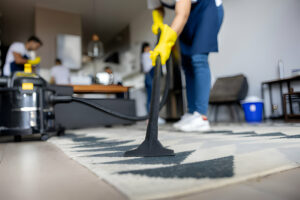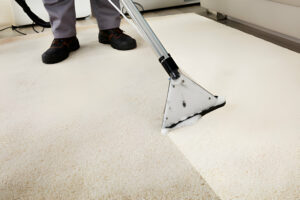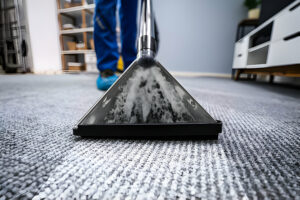

Office carpets do much more than soften footsteps and improve the look of a workspace. In busy Sydney offices, they act like large filters that trap dust, allergens, moisture, and particles brought in from streets, public transport, construction zones, and shared building areas. Over time, that buildup can affect indoor air quality, employee comfort, and the overall perception of workplace cleanliness.
Professional carpet cleaning plays an important role in creating a healthier office environment because it goes beyond surface appearance. It helps remove embedded contaminants, supports better hygiene standards, and extends the life of flooring in high traffic commercial spaces. For Sydney businesses that want a cleaner, safer, and more productive workplace, regular expert carpet care is a practical investment rather than a cosmetic extra.
Why indoor cleanliness matters more in modern office environments
Many Sydney offices are designed to be efficient, enclosed, and highly occupied. While these features support collaboration and productivity, they can also increase the concentration of indoor pollutants if cleaning routines are not thorough enough. Carpets in meeting rooms, corridors, open plan work areas, reception zones, and executive offices collect a wide range of contaminants every day. Standard vacuuming helps with loose debris, but it does not fully remove deeply embedded soil, bacteria, allergens, and residues.
Indoor environmental quality has a direct effect on how people feel and perform at work. According to the indoor air quality guidance from the U.S. Environmental Protection Agency, indoor pollutants can affect health and comfort in enclosed spaces. In offices, poor carpet hygiene can contribute to stale air, unpleasant odours, and recurring irritation for staff who are sensitive to dust and allergens. This is especially relevant in Sydney, where offices may experience a mix of coastal humidity, urban dust, and heavy foot traffic throughout the year.
A healthier workplace is not only about visible tidiness. It is also about reducing hidden contamination in surfaces that employees interact with every day. Carpets cover a large percentage of floor space in many commercial interiors, which means their condition has an outsized impact on the cleanliness of the workplace as a whole.
What office carpets in Sydney are really exposed to each day
Commercial carpets absorb far more than many business owners realize. In a typical office week, flooring can collect fine dust from HVAC systems, dirt from shoes, skin flakes, food crumbs, spilled coffee, printer toner particles, moisture from rainy weather, and microscopic pollutants from outside traffic. In central Sydney and surrounding business districts, construction activity and road pollution can add another layer of grime that gets tracked indoors.
Shared office spaces create additional challenges. Staff, clients, delivery personnel, and contractors all bring in contaminants from different environments. Entryways and lift lobbies often receive the heaviest load, but particles do not stay in one place. They move through the office on footwear, office chairs, and air circulation currents.

Common contaminants in office carpets include:
- Dust and fine particulate matter
- Pollen and seasonal allergens
- Bacteria introduced through foot traffic and spills
- Mould promoting moisture in damp conditions
- Food residue from desks, kitchens, and meeting rooms
- Volatile residues from cleaning chemicals or building materials
- Odour causing organic matter trapped in carpet fibres
Because much of this buildup settles below the visible surface, carpets can look acceptable while still holding a significant amount of contamination. That is one reason professional carpet cleaning is so valuable in office settings. It targets what routine maintenance often leaves behind.
How professional carpet cleaning supports a healthier workplace
The main health advantage of professional carpet cleaning is contaminant removal at a depth that standard day to day cleaning usually cannot reach. Commercial grade equipment, specialized methods, and trained technicians allow for more complete extraction of dirt, allergens, and residues from carpet fibres and backing.
Improved indoor air quality
Carpets can act as reservoirs for airborne particles. As people walk across them, sit nearby, or move office chairs over them, trapped particles can be released back into the air. Professional deep cleaning removes a substantial portion of this accumulated material, which can help reduce airborne dust and improve the freshness of the office environment.
This matters in workplaces where employees spend long hours indoors. Cleaner carpets can contribute to a more comfortable setting for concentration, meetings, and daily tasks. Air quality improvements may be especially noticeable in enclosed boardrooms, smaller suites, and heavily furnished office areas where ventilation is less effective.
Reduction of allergens and irritants
Dust mites, pollen, and other allergens can settle into carpet fibres over time. Employees with asthma, hay fever, or respiratory sensitivities may be more affected by these irritants, even if the office appears clean on the surface. Professional cleaning helps reduce allergen loads and can support a more comfortable workplace for sensitive staff members.
For evidence based context, the National Institute for Occupational Safety and Health information on indoor environmental quality highlights how workplace environmental factors can influence health and comfort. While carpets are only one part of the wider indoor environment, they are a major one because of their size and ability to trap contaminants.
Better control of bacteria and spill related hygiene issues
Office carpets are vulnerable to accidental spills from coffee, tea, water, lunch items, and after hours events. If not treated properly, these spills can create bacteria friendly conditions and lead to staining, odours, and microbial growth. Professional cleaners use methods designed to lift residues and sanitize affected areas more effectively than spot cleaning with consumer products.
This is particularly important in breakout areas, under desks, conference rooms, and training spaces where food and beverages are common. Removing the residue beneath the surface is often the difference between a carpet that smells clean temporarily and one that is genuinely hygienic.
Moisture management and mould prevention

Sydney offices can face moisture related issues from wet weather, umbrellas, shoes, leaks, or humidity. Damp carpets are a concern because excess moisture can encourage mould and mildew growth if not addressed quickly and properly. Professional carpet cleaning companies understand how to manage water use, extraction, and drying times to reduce these risks.
Advanced low moisture and hot water extraction methods can be selected based on the carpet type, level of soiling, and building conditions. Proper drying is essential in office environments because lingering dampness can create both health and operational problems.
The difference between routine vacuuming and deep commercial carpet cleaning
Many offices rely on regular janitorial vacuuming and occasional spot treatment, and these services are important. However, they serve a different purpose from professional deep cleaning. Vacuuming removes loose, dry soil from the upper layer of carpet. It helps maintain appearance and reduces some particle buildup, but it does not fully extract oils, sticky residues, deeply embedded grit, or contaminants trapped lower in the pile and backing.
Professional carpet cleaning typically includes a more comprehensive process such as inspection, pre treatment, agitation, extraction, stain treatment, deodorization if needed, and drying management. This process is tailored to commercial carpet materials and traffic patterns.
Here is how the two approaches differ in practical terms:
- Routine vacuuming focuses on surface maintenance
- Professional cleaning targets deep seated soil and contaminants
- Spot cleaning addresses isolated marks but may leave residue
- Commercial deep cleaning aims for whole carpet hygiene and restoration
- General cleaning preserves day to day appearance
- Professional care supports long term health, lifespan, and odour control
For Sydney offices, both are necessary. Routine cleaning maintains standards between visits, while scheduled professional cleaning resets the carpet at a deeper level.
Common professional carpet cleaning methods used in offices
Not every office carpet requires the same treatment. The most suitable method depends on fibre type, carpet construction, level of soiling, building access, drying requirements, and business operating hours. A reputable commercial carpet cleaner will assess these factors before recommending a service plan.
Hot water extraction
This is one of the most widely used methods for commercial carpets. It involves applying a cleaning solution, agitating the fibres, and extracting hot water along with dirt and residues. When performed correctly with professional equipment, hot water extraction can deliver a deep clean and strong contaminant removal.
It is often a good option for heavily trafficked office carpets that need restorative cleaning. Drying time must be managed carefully, especially in active workplaces, but modern extraction equipment can significantly reduce moisture left behind.
Low moisture encapsulation
Encapsulation cleaning uses specialized products that surround soil particles so they can be removed more easily. It generally uses less water and offers faster drying times, which can be ideal for offices that need minimal disruption. This method is often used for maintenance cleaning in commercial settings with regular service schedules.
For some Sydney offices, encapsulation may be used between deeper extraction cleans to maintain appearance and hygiene with limited downtime.

Bonnet cleaning
Bonnet cleaning is sometimes used for surface level maintenance in commercial properties. It can improve appearance quickly, but it is generally less effective for deep soil removal than extraction methods. It may have a place in interim maintenance, though it should not be mistaken for a full restorative clean.
Targeted stain and odour treatment
High use office areas often need specialized treatment for coffee spills, food stains, ink marks, and persistent odours. Professional cleaners have access to products and techniques suited to commercial carpets, helping avoid damage that can occur when inappropriate chemicals are used.
Health and productivity benefits for employees
A healthier carpeted environment can influence more than cleanliness scores. It can affect how employees experience the office every day. Staff notice when a workplace smells fresh, feels well maintained, and appears professionally cared for. They also notice when carpets look dingy, smell musty, or trigger discomfort.
Greater comfort during the workday
Cleaner carpets contribute to an environment that feels more pleasant and breathable. This can improve day to day comfort for employees who spend many hours at their desks or move between rooms throughout the day.
Reduced distraction from odours and visible grime
Unpleasant smells and stained flooring can be subtle but persistent distractions. They can affect concentration, create a sense of neglect, and even influence morale. Professional carpet cleaning removes many of the sources of these problems, helping the office feel cleaner and more professional.
Support for workplace wellness initiatives
Many Sydney businesses are investing in wellness focused workplace strategies, from ergonomic furniture to better lighting and air quality management. Carpet cleaning fits naturally into this broader approach. A cleaner physical environment supports the message that employee wellbeing matters.
Positive impression on staff retention and culture
Employees often interpret cleanliness as a sign of organizational standards. A well maintained office suggests care, competence, and respect for the people who work there. While carpet cleaning alone will not define workplace culture, it supports the kind of environment in which people feel valued and comfortable.
Why professional carpet cleaning also matters for clients and visitors
The condition of office carpets affects first impressions almost immediately. Reception areas, waiting rooms, corridors, and meeting spaces all communicate something about the business. Clean carpets suggest professionalism, attention to detail, and operational discipline. Dirty or stained carpets can undermine confidence, especially in industries where trust and presentation matter.
For Sydney offices that host clients, investors, job candidates, or partners, carpet cleanliness is part of the overall brand experience. Even if visitors do not consciously comment on the flooring, they notice the atmosphere it creates. A fresh, clean office feels more credible and welcoming.
This is especially important in sectors such as legal services, finance, healthcare administration, real estate, consulting, and corporate headquarters, where image and standards are closely linked.
Extending carpet lifespan and protecting office assets
Health benefits are a major reason to invest in professional cleaning, but there is also a strong asset protection case. Dirt and grit trapped in carpet fibres act like abrasives. As people walk over them, those particles grind against the fibres and accelerate wear. Over time, this can lead to matting, dullness, fibre damage, and premature replacement.
Professional cleaning removes this damaging buildup and helps preserve the texture, colour, and structure of commercial carpets. For offices with large carpeted areas, extending lifespan by even a modest margin can produce significant cost savings.
Carpet replacement is expensive and disruptive. It often involves moving furniture, coordinating contractors, and potentially interrupting business operations. Regular deep cleaning is a far more efficient way to maintain flooring performance and delay capital expenditure.
Manufacturer warranty considerations
Some commercial carpet warranties require periodic professional cleaning as part of proper maintenance. Businesses that skip this step may weaken their warranty protection. Keeping records of scheduled cleaning can be useful for compliance and long term facilities management.
How often should Sydney offices schedule professional carpet cleaning?
There is no single schedule that suits every workplace. Frequency should be based on traffic levels, building type, office layout, weather exposure, and the nature of business activities. A small private office with limited visitors will not have the same needs as a large CBD office with hundreds of daily occupants.
As a general guide:
- High traffic areas such as entrances, corridors, reception spaces, and shared walkways may need professional cleaning every 1 to 3 months
- Moderate traffic office areas may benefit from cleaning every 3 to 6 months
- Lower traffic rooms such as executive offices or occasional use meeting rooms may require cleaning every 6 to 12 months
Seasonal factors also matter in Sydney. Wet periods can increase moisture and soil tracked indoors, while pollen seasons may raise allergen levels. Offices near busy roads, industrial areas, or construction zones may need more frequent service due to higher particulate exposure.
A tailored maintenance plan is usually the best solution. This allows businesses to focus resources where the need is greatest rather than applying the same schedule to every part of the premises.
Choosing the right professional carpet cleaning provider for an office
Not all carpet cleaning services are equally equipped for commercial environments. Office cleaning requires more than residential experience. It demands an understanding of commercial carpet systems, workplace safety, scheduling constraints, and minimal disruption practices.
What to look for
- Experience with commercial and office carpet cleaning
- Knowledge of different carpet fibres and cleaning methods
- Clear drying time expectations and moisture control practices
- Flexible scheduling, including after hours or weekend service
- Safe product use suitable for occupied workplaces
- Detailed quotes and transparent scope of work
- Ability to address stains, odours, and high traffic restoration
Questions worth asking
Businesses should ask potential providers how they assess carpet condition, which methods they recommend and why, how long drying will take, what steps they use to protect indoor air quality during cleaning, and whether they can provide a maintenance program rather than one off service only.

It is also wise to ask about technician training, insurance, and experience in similar office settings. A quality provider should be able to explain their process clearly and match it to your workplace needs.
Best practices to maintain results between professional cleans
Professional carpet cleaning is most effective when paired with strong day to day maintenance. Offices that combine both approaches tend to enjoy better hygiene, better appearance, and longer lasting results.
Use entry matting strategically
High quality entry mats capture dirt and moisture before they reach the carpet. This is one of the simplest ways to reduce contamination across the office.
Vacuum high traffic areas frequently
Daily or near daily vacuuming in busy zones helps remove loose soil before it becomes embedded. Less active areas may require less frequent attention, but consistency matters.
Respond to spills immediately
Prompt blotting and appropriate spot treatment can prevent stains from setting and reduce hygiene risks. Staff should know basic spill response procedures, especially in shared kitchen and meeting spaces.
Address moisture issues quickly
Leaks, wet shoes, and damp areas should never be ignored. Fast action helps prevent odours, staining, and mould related problems.
Rotate attention to neglected zones
Under desks, behind furniture, and corners of meeting rooms are often overlooked. These areas can accumulate dust and debris that eventually spread into more visible spaces.
The business case for healthier carpets in Sydney offices
Professional carpet cleaning is often viewed as a facilities expense, but it is better understood as part of workplace risk management, employee wellbeing, brand presentation, and asset preservation. Clean carpets support a healthier indoor environment, reduce the burden of accumulated contaminants, and help create a workspace that employees and visitors experience positively.
In Sydney’s competitive business landscape, details matter. Companies invest heavily in office design, technology, furniture, and staff experience. Neglecting carpet hygiene can weaken the value of those investments by allowing the workplace to feel less clean, less healthy, and less professional than it should.
When businesses take a proactive approach to carpet maintenance, they are not simply improving appearance. They are supporting cleaner air, reducing hidden pollutants, managing moisture risks, and reinforcing a higher standard of workplace care.
Takeaways
Professional carpet cleaning helps Sydney offices maintain a healthier workplace by addressing one of the most overlooked sources of indoor contamination. Carpets trap dust, allergens, bacteria, moisture, and odour causing residues that routine surface cleaning cannot fully remove. Deep commercial cleaning improves hygiene, supports better indoor air quality, and contributes to a more comfortable environment for employees and visitors alike.
Beyond health benefits, regular professional care protects flooring investments, strengthens first impressions, and supports the broader goal of maintaining a well managed office. For Sydney businesses that want cleaner, healthier, and more resilient workplaces, professional carpet cleaning is an essential part of a smart facility maintenance strategy.
Need help with How Professional Carpet Cleaning Helps Sydney Offices Maintain a Healthier Workplace?
Get A Free Quote Today
Need help with How Professional Carpet Cleaning Helps Sydney Offices Maintain a Healthier Workplace? Get A Free Quote Today