
Booking a professional steam cleaning service can feel straightforward at first, but many Sydney homeowners and tenants are surprised by how much better the results are when they know exactly how the process works. From preparing rooms and understanding drying times to knowing what can and cannot be treated, a little clarity before the appointment can make the whole experience smoother and more effective.
If you are arranging carpet, rug, upholstery, or mattress cleaning, it helps to understand what happens before the technician arrives, what takes place during the visit, and what you should do once the job is complete. This guide explains each stage in detail so you can set realistic expectations, protect your home, and get the best possible outcome from a professional steam cleaning service in Sydney.
Why preparation and process matter more than most people think
Steam cleaning is often talked about as if it were a simple one-step service, but in practice it is a structured cleaning method that combines inspection, pre-treatment, hot water extraction, stain attention, moisture removal, and aftercare guidance. The quality of the final result depends not only on the machinery and products used, but also on the condition of the surfaces, the type of soiling present, the age of stains, room ventilation, and how well the area is prepared.
In Sydney, local conditions also affect expectations. Coastal humidity, sandy foot traffic, seasonal rain, pet ownership, apartment living, and end of lease requirements can all influence how a steam cleaning appointment should be planned. A family home in the Inner West with pets and young children may need a very different approach from a high-rise apartment in Parramatta or a beachside property in the Eastern Suburbs where salt, moisture, and fine grit are common concerns.
Understanding the full process helps in several ways:
- It reduces delays on the day of service.
- It helps you prepare furniture and access points properly.
- It gives you realistic expectations about stain removal.
- It lowers the risk of re-soiling during the drying period.
- It helps you decide when to schedule the service for minimal disruption.
Before the service: how to get your home or business ready
The period before the technician arrives is important. Good preparation allows the cleaner to spend more time on the actual treatment and less time navigating obstacles or waiting for rooms to be cleared. It also helps protect fragile items and ensures safer, faster access to the areas being cleaned.
Confirm exactly what is being cleaned
Start by clarifying the scope of the booking. Are you having wall to wall carpets cleaned, a few rugs, a lounge suite, dining chairs, mattresses, or a combination of these? Be specific about room sizes, the number of items, and any problem areas. If there are stains from red wine, coffee, ink, pet accidents, makeup, food oils, or tracked-in mud, mention them in advance. The technician can then allow enough time and bring the right spotting agents or specialty treatments if needed.
It is also a good idea to mention the fibre type if you know it. Wool, nylon, polyester, olefin, cotton blends, and delicate upholstery fabrics all respond differently to moisture, heat, and cleaning solutions. If you are unsure, the technician will usually inspect and test on arrival, but any prior information can help.
Move small and breakable items out of the way
Remove light furniture, floor lamps, toys, pet bowls, shoes, baskets, and decorative items from the areas to be cleaned. Pick up anything fragile from side tables and low shelves, especially if hoses will be brought through hallways or living spaces. If upholstery is being cleaned, empty the seats of cushions, throws, magazines, remotes, and personal belongings.
Most cleaning teams can work around larger furniture, but they typically do not move heavy units such as bookcases, entertainment cabinets, beds with storage bases, pianos, or large wardrobes. Ask beforehand what level of furniture moving is included. Some providers will shift light sofas, dining chairs, and coffee tables, while others require the client to clear the space in advance.
Vacuuming may still be recommended
Many people assume steam cleaning makes pre-vacuuming unnecessary, but dry soil removal is often one of the most important steps in the process. Sand, dust, hair, lint, and loose grit can interfere with wet cleaning if they are not removed first. Some professionals include industrial pre-vacuuming in the service, while others ask clients to vacuum before arrival, especially in heavily used spaces.
Even if the cleaner handles this step, you should know why it matters. According to guidance on indoor air quality, dust and pollutants can accumulate indoors over time. Removing dry particulate matter before extraction helps improve the effectiveness of the overall clean.
Plan for access, parking, and power
In Sydney, parking and building access can affect the appointment more than many clients expect. If you live in an apartment building, check whether the technician will need lift access, loading zone information, or permission from building management. If the property has visitor parking restrictions or a long walk from the vehicle to the unit, communicate that early.
Most steam cleaning equipment also requires access to power, and some systems may need a nearby water source depending on the setup. Clear a path from the entrance to the rooms being cleaned so hoses can be run safely without catching on furniture corners or clutter.
Secure children and pets
Steam cleaning equipment can be noisy, and technicians may be moving hoses, tools, and furniture during the service. For safety and efficiency, keep pets in a separate room or arrange for them to be outside the work area. Young children should also be kept away from active cleaning zones. This helps avoid accidents and allows the technician to work continuously without interruption.

Understand stain removal expectations before the appointment
One of the biggest misunderstandings about professional steam cleaning is the difference between cleaning a stain and reversing permanent damage. Some marks respond very well to treatment, particularly recent spills that have not bonded deeply with the fibres. Others may lighten but not disappear completely. Old stains, dye transfer, bleach spots, rust marks, heat damage, and some pet urine issues can cause permanent discoloration or texture change.
A quality technician should explain this clearly. Steam cleaning can remove soil, residues, oils, and many contaminants, but it cannot always restore material that has been chemically or physically altered. Going into the appointment with realistic expectations helps avoid disappointment.
What happens when the technician arrives
Once the cleaner arrives, the service usually begins with an inspection and discussion. This is your chance to point out concerns, ask questions, and confirm priorities. If one room gets heavy foot traffic or one side of a sofa has visible staining, mention it at the start rather than after the cleaning is complete.
Inspection and fibre assessment
The technician will normally inspect the carpet or upholstery to identify fibre type, construction, wear patterns, spots, and any pre-existing damage. They may look for issues such as:
- Fraying edges or loose seams
- Previous repair work
- Sun fading or discoloration
- Pet affected areas
- Traffic lane greying
- Water marks or prior over-wetting
- Delicate backing materials
This assessment helps determine the safest cleaning method, water temperature, solution strength, and whether any areas require extra caution. For example, natural fibres like wool often need a more controlled approach than some synthetic carpets.
Pre-treatment and spot treatment
Before hot water extraction begins, the technician will usually apply a pre-spray or conditioning solution to loosen embedded soil, oils, and residues. High-traffic zones such as hallways, living room walk paths, and areas near dining tables often need extra attention. Stains may be treated individually with specialty products based on the type of spill or contamination.
This is one of the most important parts of the process. The pre-treatment needs enough dwell time to work, but not so much that it dries into the fibres. Skilled technicians balance chemistry, agitation, and timing to maximize soil suspension before extraction.
In some cases, they may also use light agitation with a grooming brush or machine to help distribute the solution and lift matted fibres. This is common in heavily used carpets where dirt has settled deep into the pile.
The actual steam cleaning process
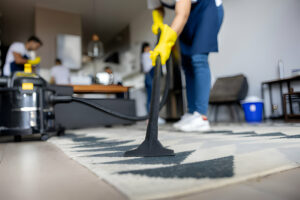
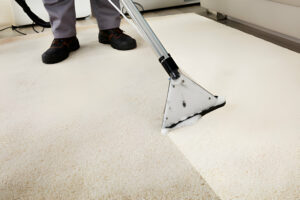
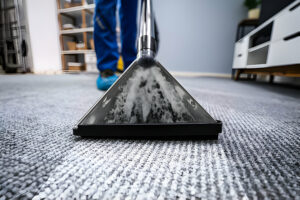
In professional cleaning, what many people call steam cleaning is usually hot water extraction. Heated water and cleaning solution are applied into the fabric or carpet, then immediately extracted with powerful suction. This flushes out loosened dirt, allergens, residues, and moisture far more effectively than basic surface cleaning methods.
The exact equipment varies. Some technicians use portable extraction machines suited to apartments and smaller jobs, while others use truck-mounted systems that offer strong heat and suction. Either way, you can expect repetitive passes over the material, with slower extraction strokes in more heavily soiled areas.
If the service is being done correctly, the carpet or upholstery should be left damp, not soaked. Excessive wetness may indicate poor extraction, over-application of water, or unsuitable technique. Good suction is critical because it affects both cleanliness and drying time.
Odour treatment if needed
If there are pet odours, smoke smells, food spills, or general stale smells in the fibres, odour treatment may be recommended. It is important to understand that odour control is not always achieved by fragrance. In professional cleaning, the aim is usually to neutralize or remove the source, not simply mask it.
For example, pet urine can penetrate beyond the visible carpet surface into underlay and subfloor. In mild cases, topical treatment may help. In severe or repeated cases, deeper remediation may be needed, and the technician should explain if steam cleaning alone is unlikely to fully resolve the issue.
Upholstery and delicate fabric considerations
If lounges, armchairs, dining chairs, or mattresses are included, the process may be slightly different from carpet cleaning. Upholstery fabrics vary widely in absorbency, dye stability, pile direction, and shrinkage risk. Technicians often use lower moisture levels and more controlled tool passes on furniture than on broadloom carpet.
Cushions may be cleaned on both sides if needed, and heavily used armrests or headrest areas often receive focused treatment because body oils accumulate there over time. Some delicate materials require low-moisture cleaning methods rather than standard hot water extraction, so the technician may adapt the approach after inspection.
How long the appointment usually takes
The duration depends on the size of the property, the number of items being cleaned, the level of soiling, access conditions, and whether stain work is required. A small apartment with two bedrooms of carpet may take a relatively short time, while a larger family home with multiple rooms, stairs, rugs, and upholstery can take several hours.
Other factors that can extend the appointment include:
- Heavy pet hair that needs extra removal
- End of lease cleaning standards
- Spot treatment for multiple stains
- Difficult parking or long hose runs
- Restricted lift access in apartment buildings
- Very humid weather affecting workflow and drying advice
If you are trying to coordinate the service around work, school pickups, open homes, or a final inspection, ask for a realistic time estimate in advance and allow a buffer.
What results you can realistically expect
Professional steam cleaning can dramatically improve the appearance, feel, and freshness of carpets and upholstery, but realistic expectations are essential. In many cases, you can expect brighter fibres, reduced odours, improved texture, and removal of a large amount of embedded soil. Allergens, dust, and residues are often significantly reduced as well.

That said, not every issue is fully reversible. Here is what often improves well:
- General dullness from accumulated dirt
- Traffic lane soil
- Food and drink spills if treated appropriately
- Light pet accidents
- Surface odours
- Flattened pile that responds to grooming and extraction
Here is what may only partially improve or may remain:
- Bleach damage
- Permanent dye stains
- Old rust marks
- Wear patterns from years of foot traffic
- Sun fading
- Delamination or backing damage
- Severe urine contamination in underlay or subfloor
A reputable technician should be candid about these limits. The goal of a professional service is excellent cleaning, not unrealistic promises.
After the service: what to do once the cleaning is finished
After the cleaning is complete, the focus shifts to drying, protection, and preventing re-soiling. This stage matters just as much as the cleaning itself. Walking on damp carpet with dirty shoes, replacing furniture too early, or closing up the room without ventilation can reduce the quality of the result.
Expect some dampness and drying time
Freshly steam cleaned carpet or upholstery is usually damp for a period after treatment. Drying time varies depending on airflow, humidity, temperature, fibre type, soil level, and how much moisture was needed during cleaning. In Sydney, coastal humidity or rainy weather can slow this process, while warm, breezy conditions can speed it up.
Many carpets dry within several hours, but some may take longer. Upholstery and mattresses can also vary significantly depending on thickness and fabric type. The technician should give you a property-specific estimate rather than a generic promise.
Improve ventilation immediately
Open windows if weather permits, switch on ceiling fans, use pedestal fans, and run air conditioning or heating in a way that promotes air movement. Good airflow is one of the best ways to shorten drying time and reduce the chance of musty smells.
Moisture control matters indoors. Information from the CDC guidance on mold and dampness supports the importance of drying wet materials promptly to help prevent moisture-related problems. While professional steam cleaning is designed to avoid over-wetting, proper ventilation is still an important part of aftercare.
Limit foot traffic until dry
Try to keep people off the cleaned areas as much as possible until they are dry. If you must walk across damp carpet, wear clean socks or indoor shoes to avoid tracking in dirt or oils. This is especially important near entrances, hallways, and living spaces where re-soiling can occur quickly.
If children or pets use the area too soon, they can flatten damp fibres, transfer soil, or create new marks before the carpet has fully settled.
Wait before replacing furniture
If furniture was moved during the cleaning process, wait until the carpet is sufficiently dry before putting everything back in place unless the technician uses protective tabs or blocks. Placing furniture on damp carpet can trap moisture, increase the risk of staining from wood or metal transfer, and leave indentations before the fibres recover.
When items must be returned sooner, protective barriers under legs can help prevent issues. Follow the technician’s guidance on timing and placement.
Expect some wicking in a few cases
Occasionally, a stain may appear to return after cleaning. This is often due to wicking, where residue from deep in the backing or lower fibres rises to the surface as the carpet dries. This does not necessarily mean the area was not cleaned properly. It is a known phenomenon with some spills, especially in thicker carpets or where contamination penetrated deeply.
If this happens, contact the cleaning provider promptly. Many professionals can address the area with a follow-up spot treatment once the carpet is dry.
Special considerations for end of lease steam cleaning in Sydney
Many Sydney tenants book professional steam cleaning as part of their move-out process, especially when leases require carpet cleaning after pets or at the end of occupancy. In these situations, timing is critical. The cleaning should ideally be done after furniture has been removed and after most other cleaning tasks are complete, so the carpets are not re-soiled by movers, trades, or final dust.
For end of lease appointments, keep these points in mind:
- Confirm whether an invoice or receipt is required for the property manager.
- Check whether all carpeted rooms must be cleaned or only specific areas.
- Allow enough drying time before the final inspection if possible.
- Do not schedule painters, pest control, or removalists after the carpet cleaning unless unavoidable.
- Take photos once the work is complete for your records.
Because moving day is often stressful, it helps to book early and confirm access details clearly, especially for apartment complexes with lifts, time-limited loading zones, or key collection arrangements.
How often professional steam cleaning is usually needed
The right frequency depends on lifestyle, occupancy, and the surfaces being cleaned. A low-traffic home with no pets may need professional carpet cleaning less often than a busy family home with children, pets, and frequent entertaining. Upholstery also varies depending on use and exposure to body oils, food, and dust.
As a general guide, more frequent professional cleaning may be appropriate if you have:
- Indoor pets
- Young children
- Allergy concerns
- High foot traffic
- Light-coloured carpets or furniture
- Rental property obligations
Regular maintenance is not just about appearance. It can also help extend the usable life of carpets and furnishings by removing abrasive soil that wears down fibres over time.
Questions worth asking before you book
If you want a smoother experience and fewer surprises, ask a few practical questions before confirming
Need help with What to Expect Before During and After a Professional Steam Cleaning Service in Sydney?
Get A Free Quote Today
Need help with What to Expect Before During and After a Professional Steam Cleaning Service in Sydney? Get A Free Quote Today